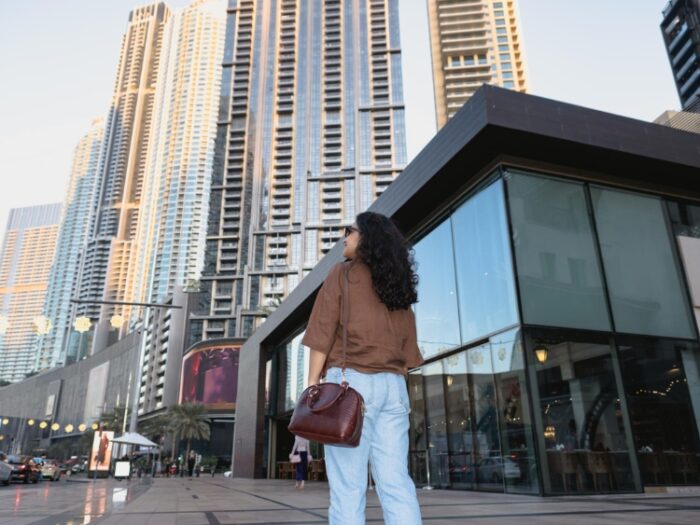
Safety has become one of the most important considerations in luxury travel, although crime statistics alone rarely define it. For today’s global traveller, confidence comes from knowing that a city works well. The world’s safest cities for travellers distinguish themselves through far more than security alone. They offer reliable infrastructure, high hospitality standards, resilient digital networks, and seamless mobility. Airports operate efficiently, transport networks remain dependable, and hospitality standards stay consistently high. As a result, travellers can move between meetings, restaurants, hotels, and cultural attractions with ease at any hour.
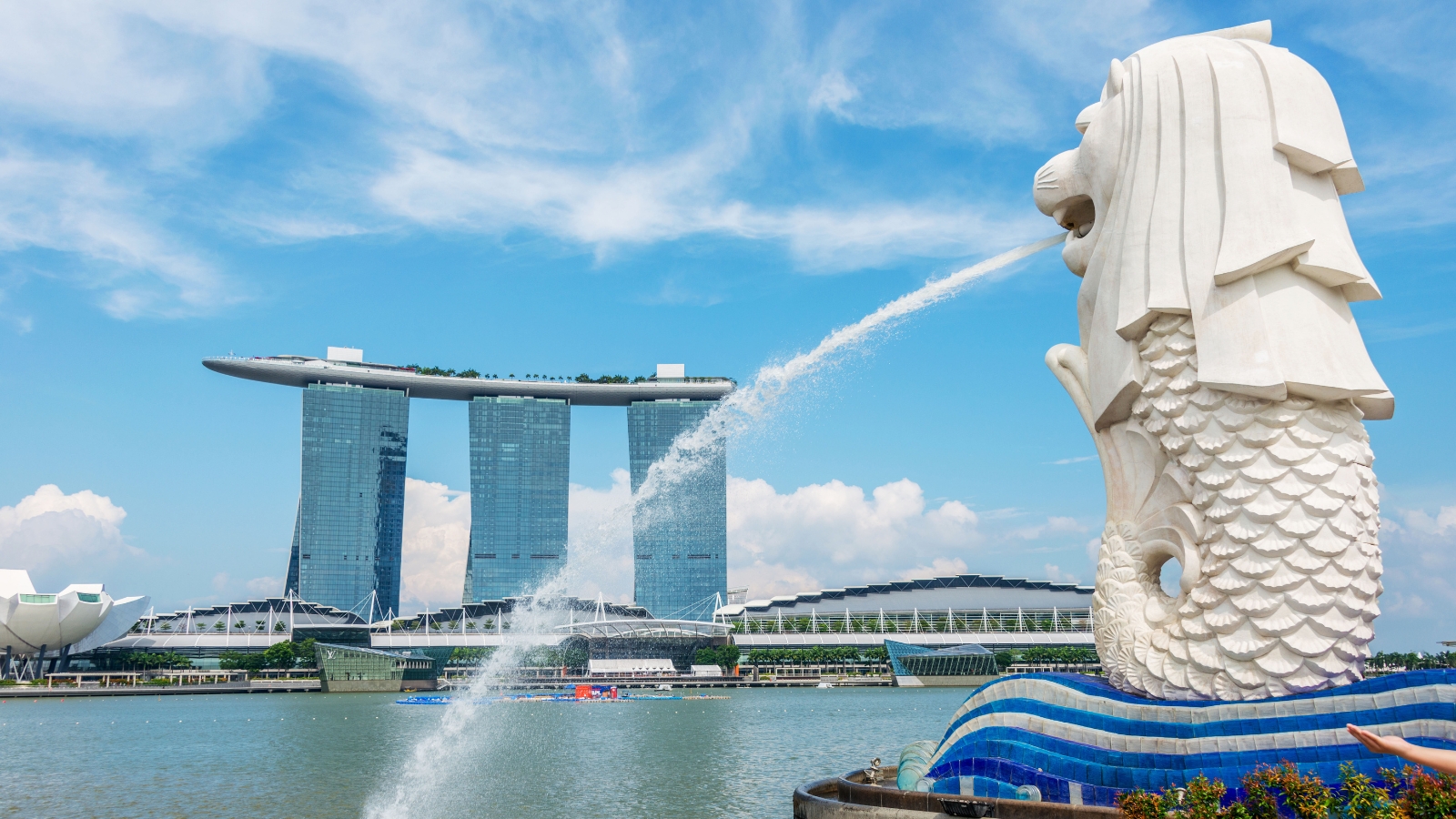
Image Courtesy: Canva Pro
Singapore: One of the world’s safest cities
Singapore remains one of the strongest examples of this principle. Global rankings frequently place it among the world’s safest cities, a reputation it has earned through exceptional organisation and infrastructure. Changi Airport sets the tone from the moment travellers arrive. The city’s transport systems, public spaces, and hospitality sector create an experience that feels efficient and remarkably easy to navigate. Business travellers particularly benefit from this reliability, as schedules remain predictable and moving across the city rarely requires unnecessary effort.
What also distinguishes Singapore is how deeply the city has embedded safety into everyday urban life. Policymakers have long prioritised effective governance, public trust, and infrastructure quality, while the city-state’s compact geography allows services to operate with unusual consistency. Even seemingly minor details reinforce this sense of confidence. Clear signage, well-lit public spaces, and efficient emergency response systems help create an environment where visitors rarely encounter uncertainty. For travellers accustomed to navigating major global cities, that absence of friction often leaves the strongest impression.
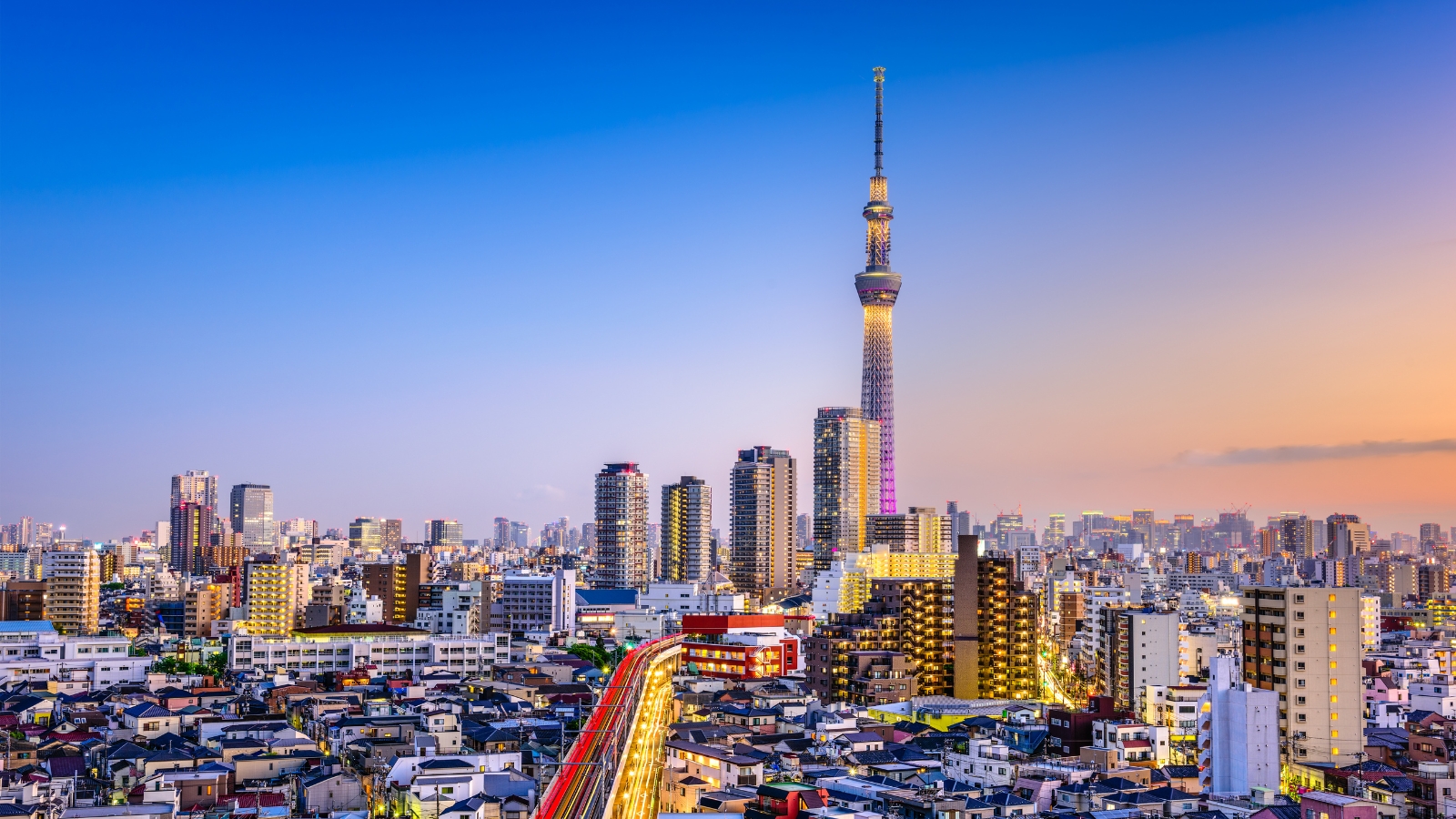
Image Courtesy: Canva Pro
Tokyo: A city built on trust
Tokyo delivers a steady kind of assurance. Japan’s low crime rates contribute to its reputation, yet the city’s appeal extends far beyond statistics. Visitors often speak about the confidence they feel moving through Tokyo, whether navigating public transport late at night or walking through bustling commercial districts. Railway networks operate with extraordinary precision, city authorities maintain public spaces to exceptional standards, and everyday interactions reinforce a culture built around respect and consideration. Together, these qualities have helped establish Tokyo as one of the world’s safest cities for travellers despite its immense scale. That achievement becomes even more remarkable when viewed in context. Greater Tokyo is the world’s largest metropolitan area and home to tens of millions of residents. Yet it functions with a degree of order that many smaller cities struggle to achieve.
The rail network carries millions of passengers each day while maintaining the punctuality for which it is known around the world. Equally important, Japan’s culture of civic responsibility helps create public environments that feel safe, orderly, and remarkably respectful. The city inspires confidence not through overt security measures but through the reliability of its everyday systems. Travellers develop trust in Tokyo because its infrastructure, public services, and social norms work with remarkable consistency. In a city of such immense scale, reliability often leaves the strongest impression.
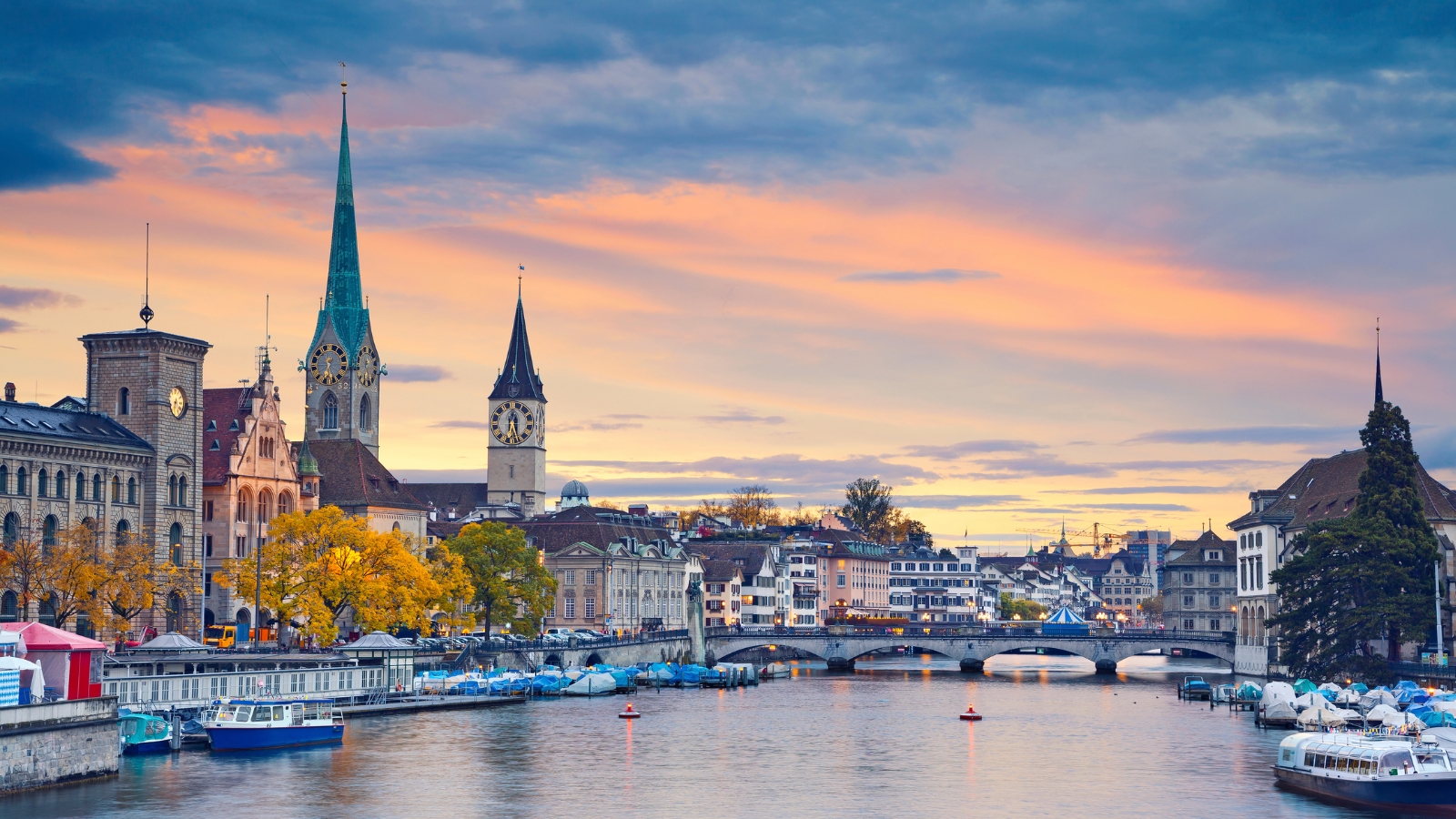
Image Courtesy: Canva Pro
Zurich and Vienna: Europe’s dependable urban centres
Across Europe, Zurich and Vienna continue to attract travellers seeking stability, efficiency, and quality of life. Zurich’s financial heritage shapes the way the city functions. Transport runs smoothly, public services operate with remarkable efficiency, and hospitality professionals deliver experiences with quiet professionalism. Vienna combines many of the same strengths while adding a distinctive cultural dimension. Its walkable neighbourhoods, reliable infrastructure, and elegant urban design make it one of Europe’s most comfortable capitals to explore, whether travelling for business or leisure.
Both cities draw on long-standing traditions of urban planning and public investment that prioritise liveability alongside economic performance. Zurich’s position as one of the world’s leading financial centres has helped create an environment where institutions prioritise efficiency, reliability, and stability. Vienna, meanwhile, regularly appears at or near the top of global liveability rankings. The city combines excellent public transport and healthcare with strong environmental standards, abundant cultural offerings, and thoughtfully designed public spaces.
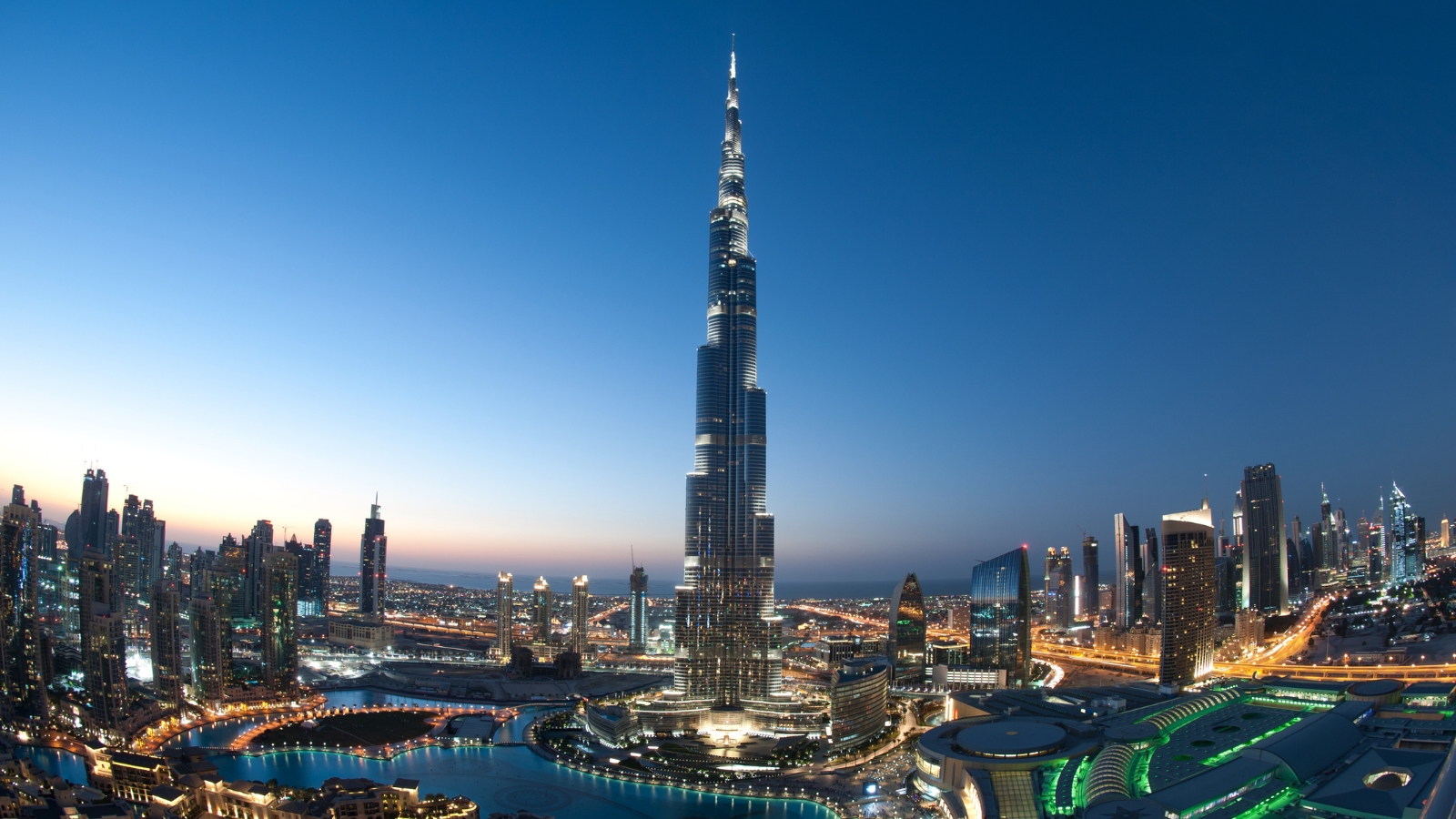
Image Courtesy: Canva Pro
Dubai and Abu Dhabi: Security by design
Dubai has established itself as one of the world’s leading global hubs by combining ambitious infrastructure with a strong focus on security and convenience. The city prioritises ease of access. Travellers can move efficiently between airports, hotels, meeting venues, and retail districts with minimal friction. These qualities have helped position Dubai among the world’s safest cities for travellers, particularly those visiting for business. Luxury hospitality plays a central role in this ecosystem. Hotels offer highly managed environments, seamless transport options, and service standards that support both privacy and convenience.
Much of Dubai’s appeal stems from its focus on international mobility. As one of the world’s busiest aviation hubs, the city serves as a gateway between Europe, Asia, and Africa. Decades of investment in transport, technology, and urban development have helped Dubai create an environment that supports both global business and tourism. Modern infrastructure, extensive surveillance systems, and highly coordinated public services strengthen security across the city. Together, these systems allow visitors to move through Dubai with confidence.
Abu Dhabi offers a more measured pace while delivering many of the same advantages. Wide boulevards, carefully planned districts, and spacious public environments create a city that feels calm and well-organised. The hospitality sector places particular emphasis on discretion and personalised service, qualities that resonate strongly with both family travellers and senior executives. The emirate has prioritised space, planning, and long-term sustainability throughout its development. This approach has produced an urban environment that feels notably less crowded than many global capitals. These characteristics have increasingly strengthened Abu Dhabi’s reputation as one of the safest destinations for travellers in the region.
Cultural institutions, waterfront developments, and high-end resorts further enhance the experience. Together, they create a cityscape that prioritises comfort and ease of movement. For travellers seeking security alongside privacy and tranquillity, Abu Dhabi presents a compelling alternative to faster-paced global hubs.
Why digital security matters in the world’s safest cities
Digital infrastructure now plays an equally important role in the travel experience. Affluent travellers carry significant amounts of personal, financial, and corporate information, elevating cybersecurity and digital governance within the broader conversation around safety. Cities such as Singapore and Seoul have invested heavily in secure digital ecosystems. These investments allow visitors to work, communicate, and transact with confidence throughout their stay.
The growing importance of digital safety reflects the realities of contemporary travel. Business leaders regularly conduct sensitive conversations remotely, access corporate networks from abroad, and rely on digital payment systems throughout their journeys. As a result, cities increasingly compete on more than physical infrastructure alone. Those that prioritise cybersecurity, data protection, and digital resilience are becoming more attractive destinations for both business and leisure travellers.
Digital trust now shapes how many travellers evaluate a destination. In an increasingly connected world, secure digital systems influence perceptions of safety almost as much as physical security.
What the world’s safest cities have in common
Although they differ significantly in culture, geography, and scale, the world’s safest cities share a common characteristic: they reduce friction at every stage of the journey. Airports operate efficiently, transport networks remain dependable, public spaces maintain high standards, and hospitality providers deliver consistent service. Increasingly, the most desirable destinations combine physical security with strong digital infrastructure, effective governance, and operational reliability. Together, these qualities create environments where travellers spend less time navigating obstacles and more time focusing on the purpose of their visit, whether for business, leisure, or a combination of both.
For modern travellers, safety extends beyond protection alone. Travellers now associate it with reliability, privacy, convenience, and trust. Whether in Singapore, Tokyo, Zurich, Vienna, Dubai, or Abu Dhabi, the destinations that inspire the greatest confidence are often those where systems function seamlessly, and daily interactions feel effortless. Ultimately, confidence has become one of the most valuable luxuries a city can offer.
FAQs
What are the safest cities in the world?
Singapore, Tokyo, Zurich, Vienna, Dubai, and Abu Dhabi are frequently recognised among the world’s safest cities for travellers due to their strong infrastructure, efficient public services, reliable transport networks, and high hospitality standards.
Which are the safest cities in Asia?
Singapore and Tokyo are widely regarded as two of the safest cities in Asia, while Seoul has gained recognition for its advanced digital infrastructure, efficient public services, and strong urban safety standards.
What makes a city safe for business travellers?
Reliable transport networks, efficient airports, quality healthcare, political stability, strong digital security, and dependable hospitality services all contribute to a safe and productive business travel experience.
Why is digital security important when travelling?
Modern travellers often carry sensitive personal, financial, and corporate information. Secure digital infrastructure helps protect communications, transactions, and business operations while abroad, making it an increasingly important component of travel safety.