Premium economy for business travellers has become one of the most strategically important categories in modern aviation, and its growing popularity reveals much about how business travel is changing. On any given long-haul flight, the cabin is likely to include founders travelling on their own budgets, consultants moving between client engagements, senior executives navigating corporate travel policies, and experienced frequent flyers who have spent enough time in the air to understand exactly where comfort delivers value. Their itineraries may differ, yet many arrive at the same conclusion: the most expensive option is not always the most effective one.
That conclusion has helped transform premium economy from a niche proposition into one of the fastest-growing segments of commercial aviation. Airlines continue to invest heavily in the category because demand spans multiple traveller groups, each seeking a different balance among comfort, productivity, and cost. Yet the story is about more than a successful product category. It reflects a broader shift in how travellers evaluate value itself.
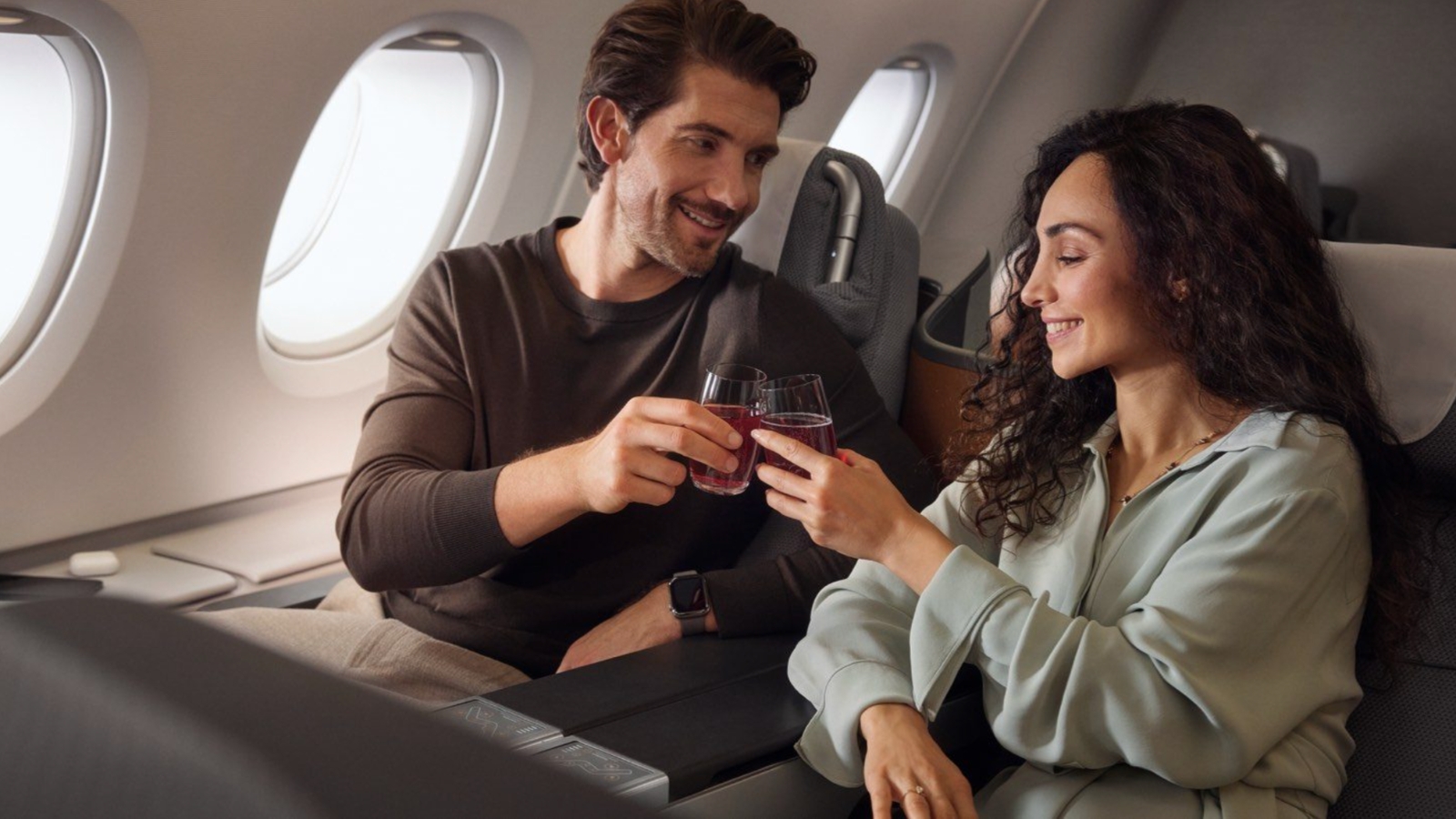
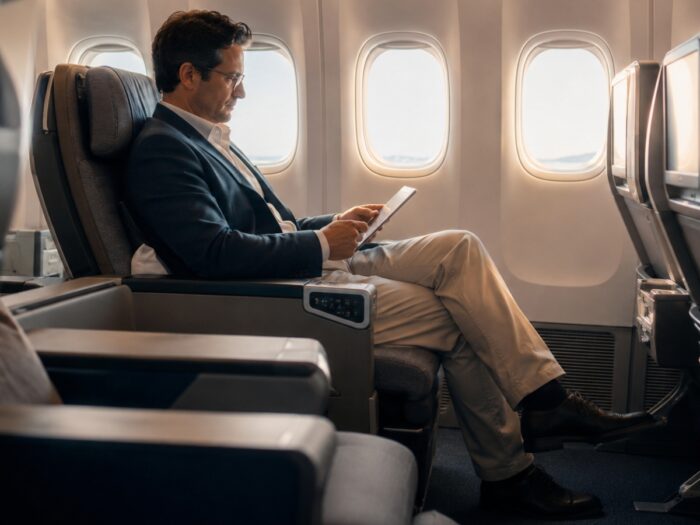
Image Courtesy: Lufthansa official website
A cabin shaped by changing priorities
For much of modern aviation, premium travel followed a relatively straightforward hierarchy. Travellers either accepted the limitations of economy or paid significantly more for business class. Increasingly, however, that distinction appears less relevant. Today’s business travellers often approach travel decisions with a more nuanced mindset. Rather than pursuing maximum comfort at any cost, they are evaluating where additional expenditure creates a meaningful return. In that context, premium economy occupies a particularly interesting position. It appeals not because it offers the most luxurious experience in the sky, but because it delivers a carefully calibrated balance between comfort and practicality. Its rise reflects a wider trend visible across luxury travel, hospitality, and consumer behaviour more broadly. Travellers continue to invest in quality experiences, although they are becoming more deliberate about where and why they spend.
Why arrival matters in long-haul business travel
For business travellers, the calculation often begins with arrival. A flight from Singapore to Sydney, London to Dubai, or Mumbai to Frankfurt rarely ends when the aircraft touches down. Meetings, presentations, conferences, client dinners, and site visits frequently begin within hours of landing. The journey, therefore, influences far more than the hours spent in transit. It can shape the quality of the days that follow.
This reality has encouraged many travellers to think differently about comfort. The objective is not necessarily indulgence. It is functionality. This is where premium economy for business travellers becomes particularly compelling. The cabin addresses many of those concerns without requiring the substantial premium associated with business class. Additional personal space, wider seats, deeper recline, improved dining, priority services, dedicated cabin sections, and a quieter environment all contribute directly to passenger wellbeing. While none of these features alone transforms the experience, their cumulative effect can be significant. This is particularly true on flights lasting between six and ten hours, which encompass many of the world’s busiest business corridors. Travellers may not require a fully flat bed, but they often value enough space to work effectively, rest comfortably, and arrive feeling capable rather than depleted.
How premium economy evolved beyond an economy upgrade
One of the most significant developments in recent years has been the maturation of the category itself. Premium economy no longer functions merely as an intermediary cabin between economy and business class. Many airlines now treat it as a standalone product with its own identity and audience.
Singapore Airlines, Virgin Atlantic, Air France, Lufthansa, Qantas, Emirates, Cathay Pacific, and Japan Airlines have all invested heavily in the category. Seat widths have expanded, entertainment systems have improved, service standards have evolved, and cabin environments have become more refined. The significance of these investments extends beyond passenger comfort. They suggest that airlines increasingly recognise a segment of travellers whose priorities differ from those traditionally associated with premium aviation. These passengers are not necessarily seeking exclusivity. They are seeking proportionality. They want an experience that feels meaningfully better than economy without requiring the financial commitment associated with business class. In many ways, the premium economy’s evolution reflects the growing sophistication of the traveller rather than the ambitions of the airline.
Where economics and experience converge
The economics are equally revealing. Business class remains one of aviation’s most profitable products, yet it occupies a relatively small portion of the aircraft. Premium economy allows airlines to serve a growing group of passengers who are willing to pay more for comfort while remaining conscious of expenditure.
On many international routes, the category delivers stronger yields than economy and attracts passengers who may never consider purchasing a business-class ticket. Yet its success cannot be explained through revenue alone. Premium economy succeeds because it sits at the intersection of aspiration and pragmatism. During periods of economic uncertainty, travellers rarely abandon comfort altogether. Instead, they reassess how much comfort they are willing to pay for. The category benefits from this behaviour because it offers a compromise that feels rational rather than restrictive. That positioning itself has made it one of the most resilient segments in contemporary aviation.
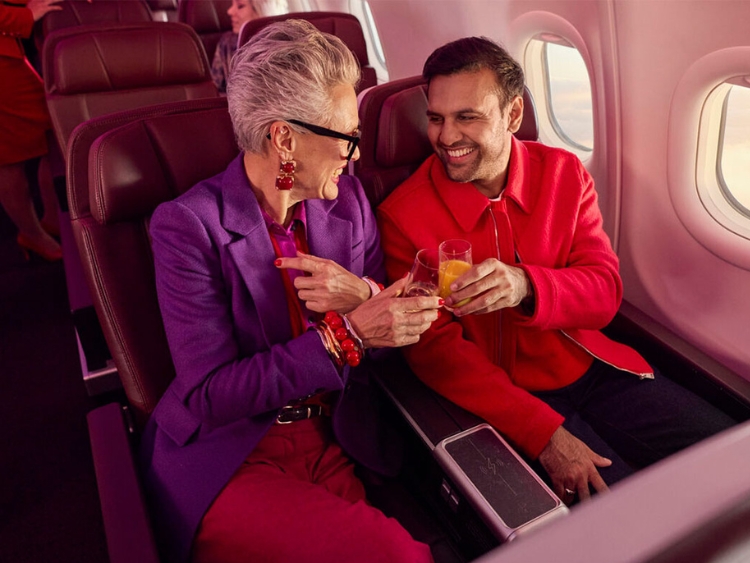
Image Courtesy: Virgin Atlantic official website
Travel as a performance variable
Corporate travel policies have further accelerated this shift. Many organisations continue to examine travel expenditure carefully, particularly as companies balance global mobility with broader cost-control measures. At the same time, employers increasingly recognise that travel should not be viewed solely as a cost centre. A traveller who arrives exhausted may still attend every meeting on the agenda, yet their effectiveness throughout the trip may be considerably diminished. Fatigue influences concentration, decision-making, engagement, and productivity. As a result, wellbeing has become an increasingly relevant consideration within corporate travel planning. For many organisations, premium economy for business travellers occupies an attractive middle ground. Employees travel more comfortably, while organisations avoid the significantly higher costs associated with business-class travel. The cabin, therefore, aligns with a broader corporate objective: maximising performance without introducing unnecessary expenditure.
The rise of the self-funded traveller
Another important driver of growth lies outside traditional corporate travel altogether. The rise of entrepreneurial travel has created a growing population of passengers who fund their own journeys. Founders, investors, consultants, and independent professionals often evaluate travel spending differently because every decision carries a direct financial consequence. Unlike travellers operating within company policies, these individuals experience every purchase as a trade-off between cost and value. Their decisions tend to be highly pragmatic. They spend where the benefits are immediate, measurable, and relevant to performance. For this group, premium economy frequently represents a compelling proposition. Better sleep, additional workspace, and reduced travel fatigue often justify the higher fare because the benefits extend well beyond the duration of the flight itself. Their growing presence within the cabin reflects a wider shift towards intentional spending. Wealth and spending power increasingly coexist with careful decision-making.
A reflection of broader consumer behaviour
What makes premium economy particularly interesting is that it reflects a much broader evolution in consumer priorities. Across hospitality, aviation, and luxury travel, consumers are becoming increasingly selective about where they allocate resources. They continue to invest in quality, although they increasingly expect a clear relationship between cost and outcome. This shift has become visible throughout the luxury sector. Travellers increasingly prioritise privacy over visibility, convenience over excess, and utility alongside aspiration. Experiences continue to matter, yet they are increasingly evaluated through the lens of personal relevance. Premium economy aligns closely with this mindset. It offers a product that prioritises usefulness without sacrificing quality. In doing so, it captures a growing preference for experiences that feel thoughtful rather than excessive.
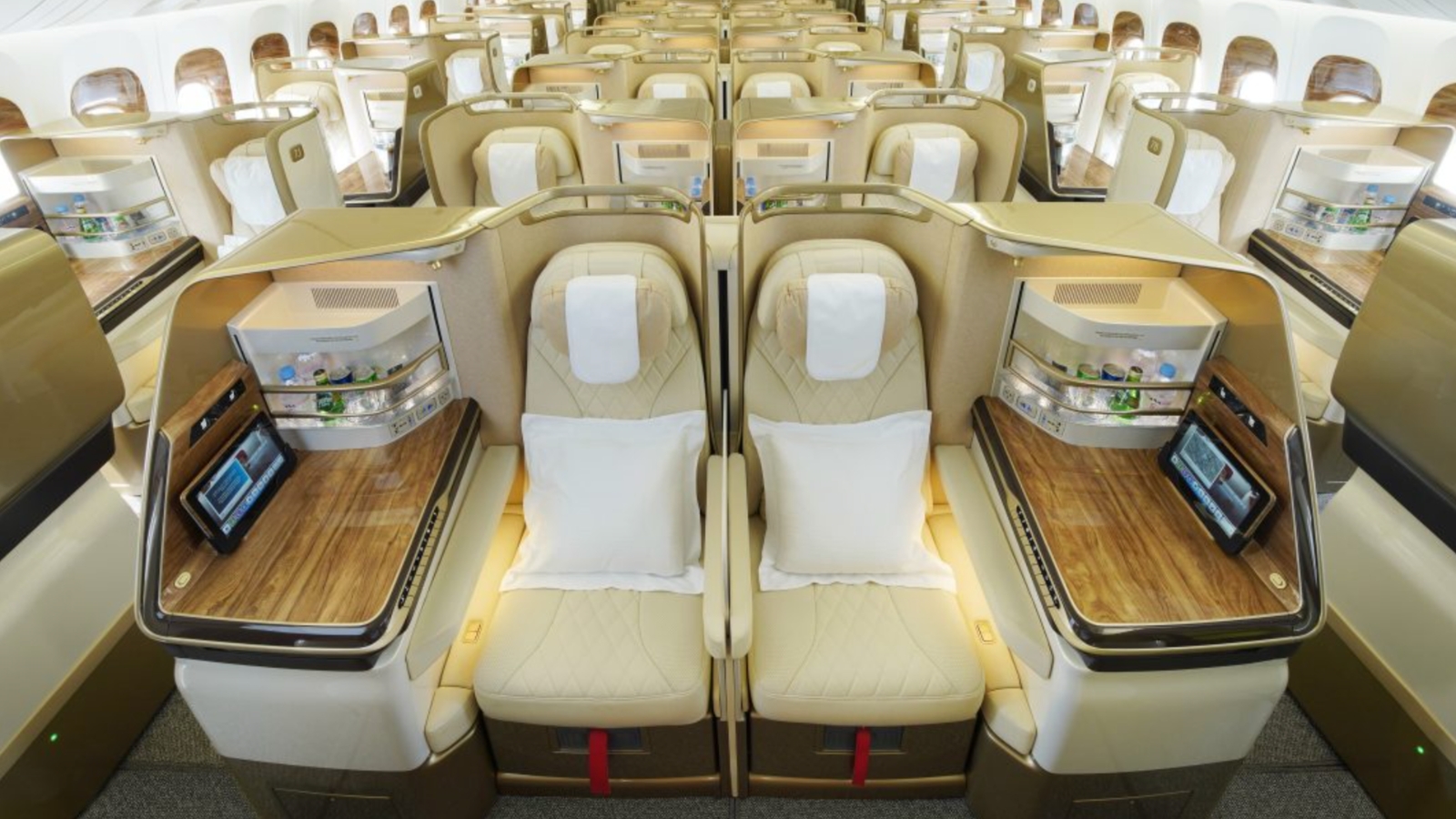
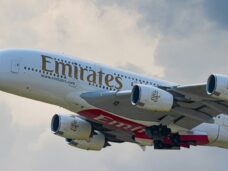
Image Courtesy: Emirates official website
Why premium economy continues to gain momentum
That perspective helps explain why premium economy continues to gain momentum across international networks. The cabin responds to a very specific set of priorities, combining comfort, functionality, and commercial logic in a way that aligns closely with the realities of contemporary travel. Its success, therefore, says as much about the passenger as it does about the product.
Modern business travellers are making increasingly deliberate choices. They weigh comfort, productivity, wellbeing, and expenditure with greater precision than previous generations. They understand that value does not always sit at the top of the pricing ladder. For many of them, the most valuable seat on the aircraft is not necessarily the most expensive one. It is the one that delivers the right balance of all four. The rise of premium economy for business travellers ultimately reveals something larger than the success of a particular cabin class. It reflects a growing preference for considered consumption, where decisions are guided less by status and more by outcomes. In that sense, the category may offer one of the clearest illustrations of how modern business travellers increasingly define value.
FAQs
What is premium economy for business travellers?
Premium economy offers a middle ground between economy and business class, with more space, enhanced dining, priority services, and a quieter cabin environment.
Is premium economy worth it on long-haul flights?
For flights of six hours or more, additional space, greater recline, and dedicated cabin sections can significantly improve comfort and reduce travel fatigue.
How is premium economy different from business class?
Business class typically offers lounge access and flat-bed seats, while premium economy focuses on enhanced comfort and convenience at a lower price point.
Which airlines offer premium economy cabins?
Singapore Airlines, Virgin Atlantic, Air France, Lufthansa, Qantas, Cathay Pacific, Japan Airlines, and Emirates are among the airlines that have invested heavily in premium economy.
Why are airlines investing in premium economy?
The category appeals to travellers seeking greater comfort without the cost of business class, making it one of aviation’s fastest-growing segments.