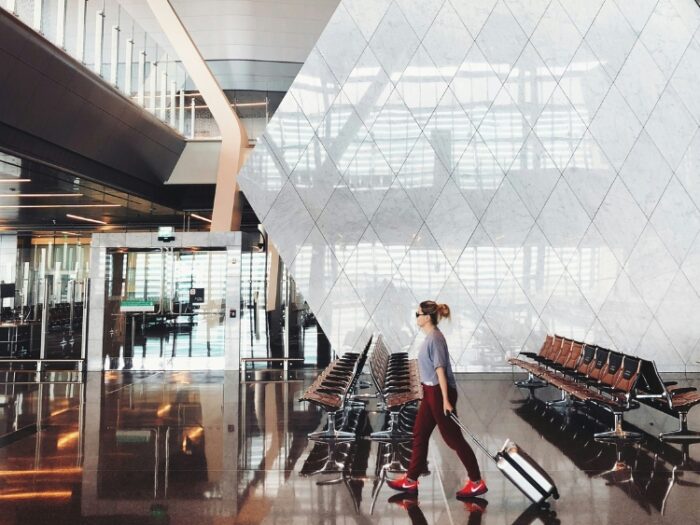
A curious contradiction sits at the heart of modern travel. Travellers spend weeks comparing airfares, researching hotels, selecting seats, and refining itineraries in pursuit of a more personalised journey. Yet once they arrive at the airport, they often find themselves sharing the same experience as everyone else. The same queues. The same crowded seating areas. The same search for a power outlet. The same departure screens and terminal cafés. Are airport lounges worth it? It is a question that has become increasingly relevant as travellers look for ways to improve the airport experience without necessarily upgrading their entire journey.
Paid airport lounges have emerged as a response to that reality. Their growing popularity has surprisingly little to do with luxury. Instead, it reflects a desire for control. Air travel has become increasingly personalised over the past decade. Travellers choose airlines based on loyalty programmes, select hotels aligned with their preferences, customise meals, reserve specific seats, and carefully manage every aspect of the journey. The airport terminal remains one of the few parts of travel that still operates largely on collective terms.
A lounge offers an alternative. It allows travellers to shape a portion of the journey around their own priorities, whether that means finding a quiet place to work, eating a proper meal, taking a shower during a long transit, or simply escaping the noise of a busy terminal.
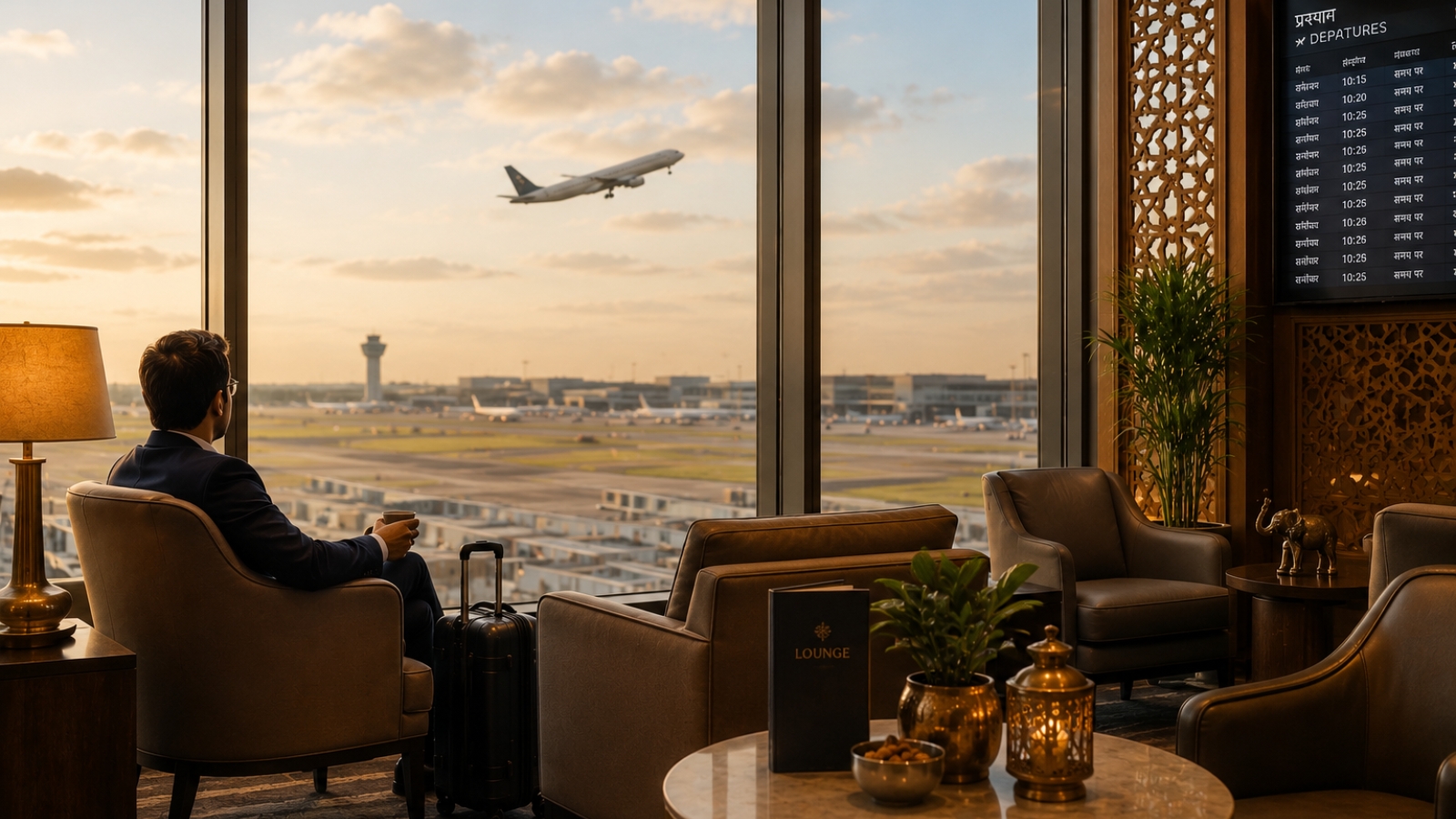
Image Courtesy: AI generated
The value of time between departure and arrival
The debate surrounding paid airport lounges often focuses on amenities. In reality, the question is far less about complimentary food or premium beverages and far more about how travellers choose to spend time. That distinction has become increasingly important as airports evolve into destinations in their own right. Major hubs such as Singapore Changi, Doha’s Hamad International Airport, and Istanbul Airport now offer impressive dining, luxury retail, wellness facilities, and thoughtfully designed public spaces. Travellers can eat well, work comfortably, and spend several hours in transit without feeling particularly inconvenienced. As a result, lounge operators face a different challenge than they did a decade ago. Complimentary coffee and a quieter chair no longer justify the cost of entry on their own. Travellers increasingly expect lounges to provide something the wider airport cannot. The strongest lounges understand this. Rather than simply offering comfort, they help travellers use their time more effectively.
When airports become temporary offices
For business travellers, airports increasingly function as temporary workplaces. Presentations are reviewed before meetings. Contracts are signed between flights. Video calls take place from departure gates. In many cases, some of the most important work of a trip happens before boarding even begins.
This helps explain why lounge access continues to appeal to frequent flyers despite improvements in airport infrastructure. A well-designed lounge offers reliable Wi-Fi, accessible charging points, comfortable workspaces, private corners for calls, and a level of predictability that can be difficult to find elsewhere in a busy terminal. The appeal lies less in exclusivity and more in functionality. For travellers moving between meetings, cities, and time zones, a productive hour inside a lounge may prove more valuable than any meal or drink included with admission.
The economics of lounge access
The value equation also changes during longer journeys. A traveller facing a four-hour layover is likely to purchase coffee, meals, bottled water, and somewhere reasonably comfortable to sit and work. At many international airports, those costs accumulate surprisingly quickly. What initially appears to be an optional upgrade can begin to resemble an alternative way of allocating travel spending. This perspective helps explain why paid lounges have attracted travellers who might never describe themselves as luxury consumers. The decision often has less to do with indulgence and more to do with convenience, efficiency, and comfort. Whether the economics make sense ultimately depends on the itinerary. A traveller arriving shortly before departure may derive little benefit from lounge access. Someone facing a lengthy connection before an important meeting may reach a very different conclusion.
This is often where the debate around whether airport lounges are worth it begins to shift. Rather than focusing solely on the admission fee, experienced travellers tend to evaluate the overall experience that access creates.
Not all lounges create equal value
Of course, the quality of the lounge itself remains an important consideration. The difference between an exceptional lounge and an average one can be substantial. Leading facilities such as Qatar Airways’ Al Mourjan Lounge in Doha, Singapore Airlines’ SilverKris Lounges, and premium Plaza Premium locations have built strong reputations by understanding how travellers actually use these spaces. Quality dining, shower facilities, dedicated work areas, quiet zones, and attentive service all contribute to an experience that extends well beyond refreshments. The strongest lounges function as genuine extensions of the travel experience rather than simply upgraded waiting rooms. Others struggle to create the same value. Additional seating and basic snacks may provide some benefit, but they rarely justify a significant premium over well-designed public airport facilities.
Why the airport matters as much as the lounge
The answer to whether airport lounges are worth it also depends heavily on the airport itself. The airport itself often determines whether lounge access feels worthwhile. At airports with strong public infrastructure, the difference between the terminal and the lounge can feel relatively modest. Singapore Changi Airport provides an obvious example. Its extensive dining options, public seating areas, gardens, retail offerings, and passenger facilities already deliver a high-quality experience for travellers. In other airports, where seating is limited, food options are restricted, or passenger volumes place considerable pressure on shared spaces, lounge access often feels considerably more valuable. The decision, therefore, depends as much on the airport as it does on the lounge itself. A premium lounge inside an average airport may deliver greater value than an average lounge inside an exceptional airport.

Image Courtesy: Canva Pro
What airport lounges reveal about modern travel
The growing popularity of paid lounges reflects a broader shift in traveller behaviour. Travellers are becoming increasingly intentional about where they spend money. Rather than pursuing luxury for its own sake, many now invest in experiences that improve comfort, convenience, productivity, or efficiency. Some choose extra legroom. Others prioritise airport transfers, fast-track security, or premium hotel locations.
Lounge access belongs to the same category. It represents a targeted investment designed to improve a specific part of the journey. The decision is not really about food, drinks, or seating. It is about reducing friction during travel and creating a more productive or comfortable experience.
For that reason, there is no universal answer to the question, ” Are airport lounges worth it?” Their value depends on context, itinerary, and personal priorities. Used in the right circumstances, they can transform otherwise unproductive hours into useful and surprisingly enjoyable parts of a journey. Used in the wrong circumstances, they become an unnecessary expense. The most experienced travellers understand that distinction. They are not paying for the lounge itself. They are paying for greater control over how they spend their time.
FAQs
Are airport lounges worth paying for?
The answer depends on your itinerary. Lounge access often provides the greatest value during long layovers, delays, or busy travel days.
What are the benefits of airport lounge access?
Airport lounges typically offer comfortable seating, food and beverages, Wi-Fi, charging facilities, workspaces, and a quieter environment than the main terminal.
Do business travellers benefit from airport lounges?
Yes. Many business travellers use lounges as temporary workspaces between flights, meetings, and connections.
Are all airport lounges the same?
No. Facilities, dining options, workspaces, and service levels vary significantly between lounges and operators.
When is airport lounge access most valuable?
Lounge access is most worthwhile during long connections, flight delays, overnight transits, or before important meetings.