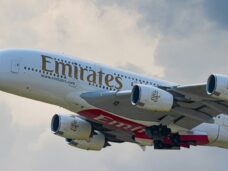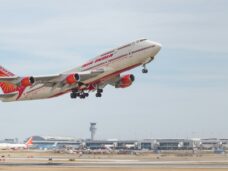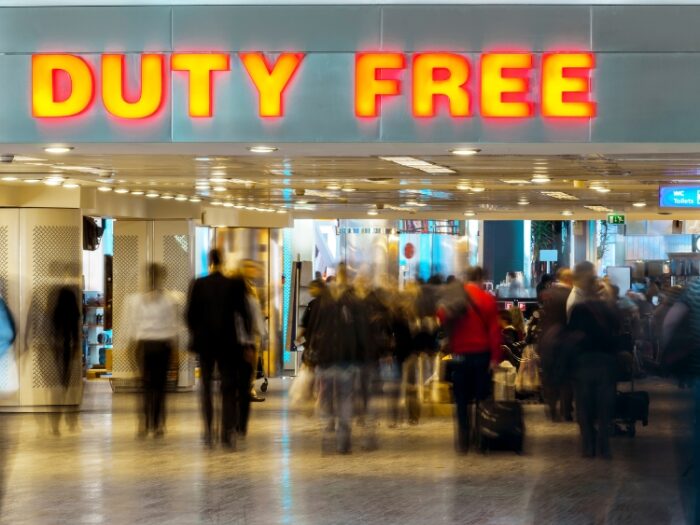
Few purchases take place under more unusual circumstances than those made at an airport.
Travellers arrive tired, excited, distracted, pressed for time, and often preparing to cross borders. They move between meetings, holidays, family visits, and business commitments, carrying a mindset that differs considerably from everyday life. Yet despite these conditions—or perhaps because of them—airports have evolved into some of the most commercially successful retail environments in the world. The remarkable growth of duty free shopping helps explain why. What once occupied a relatively modest role within the travel experience has developed into a sophisticated global industry that influences luxury retail, beauty, spirits, fashion, and consumer behaviour. Across many of the world’s busiest airports, shopping no longer sits at the edge of the journey. It has become part of the journey itself.
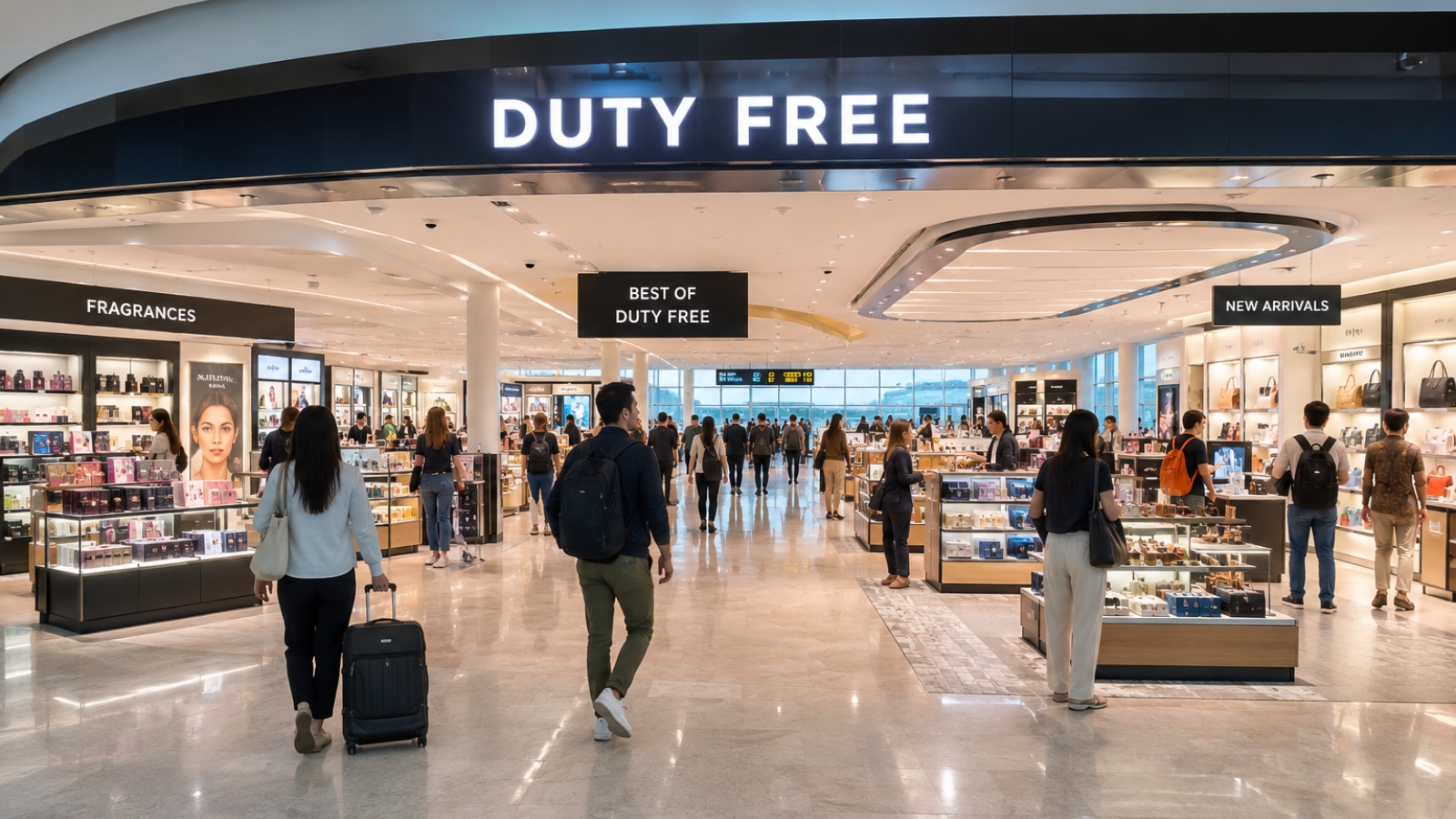
Image Courtesy: Canva Pro
Why airports attract a uniquely valuable customer
For decades, duty free shopping served a straightforward purpose. Travellers purchased spirits, tobacco, chocolates, and the occasional fragrance before boarding, with convenience and price forming the main attraction. The appeal centred largely on convenience and price.
Today’s airport retail environment looks very different. Luxury fashion houses, watchmakers, beauty brands, jewellery companies, and technology retailers now compete aggressively for space inside major international terminals. Their interest reflects a simple reality: airports provide access to a uniquely valuable customer base.
International travellers are often affluent, time-conscious, and already in a spending mindset. They have completed security, cleared immigration, and entered a period of waiting that can last anywhere from thirty minutes to several hours. Few retail environments offer the same combination of purchasing power, dwell time, and global reach. As a result, some airports now generate retail revenues comparable to major shopping districts in leading cities.
How Dubai turned airport retail into an institution
Few airports demonstrate this transformation more effectively than Dubai International Airport. Dubai Duty Free has become an institution in its own right, generating billions in annual sales and attracting travellers from virtually every corner of the world. Luxury watches, jewellery, fragrances, electronics, fashion accessories, and premium spirits occupy prominent positions throughout the terminals, creating an environment where shopping feels woven into the airport experience rather than confined to a dedicated retail zone.
What makes Dubai particularly successful is its understanding of passenger behaviour. Retail appears exactly where travellers naturally move, encouraging browsing without requiring conscious effort. The airport integrates shopping into the rhythm of travel itself. This approach has helped make Dubai one of the most commercially successful airport retail operations ever created and a benchmark for duty-free shopping worldwide.
Experience over transaction
Singapore Changi approaches the same opportunity from a different perspective. Where Dubai succeeds through scale, Changi succeeds through experience. Retail spaces sit naturally alongside dining concepts, entertainment offerings, architectural attractions, and public spaces designed to encourage exploration. Travellers encounter flagship beauty stores, luxury boutiques, technology concepts, and premium food experiences within an environment that feels closer to a lifestyle destination than a transport hub. This philosophy reflects a broader understanding of how consumer expectations have evolved. Modern travellers increasingly value discovery, immersion, and experience. Shopping, therefore, becomes part of a larger journey rather than a standalone activity.
The success of airports such as Singapore demonstrates how duty-free shopping has expanded beyond transactions to become a meaningful component of the travel experience itself. The success of airports such as Dubai and Singapore demonstrates how duty free shopping has evolved beyond simple transactions. Increasingly, travellers engage with retail as part of the broader airport experience rather than as a last-minute purchase before boarding.
When luxury brands treat airports as flagship stores
London Heathrow occupies a unique position within the global duty-free landscape. As one of the world’s busiest international gateways, Heathrow serves an exceptionally diverse passenger base that includes business travellers, high-net-worth individuals, and international tourists from dozens of markets every day. Luxury brands recognise the significance of that audience immediately.
Walking through Terminal 5 often feels remarkably similar to walking through an upscale shopping district. Boutiques from Chanel, Dior, Cartier, Prada, Hermès, Rolex, and Burberry compete for attention, transforming the airport into a global showcase for luxury retail. For many brands, Heathrow functions as far more than an airport location. It offers an opportunity to introduce products to international customers from multiple markets within a single day, making it one of the most strategically valuable retail environments in the world.
Doha’s Hamad International Airport has followed a similar path. Its retail strategy mirrors Qatar’s broader approach to hospitality by combining luxury boutiques, carefully curated dining, expansive passenger spaces, and world-class art installations. The result is a retail environment that feels immersive rather than purely transactional.
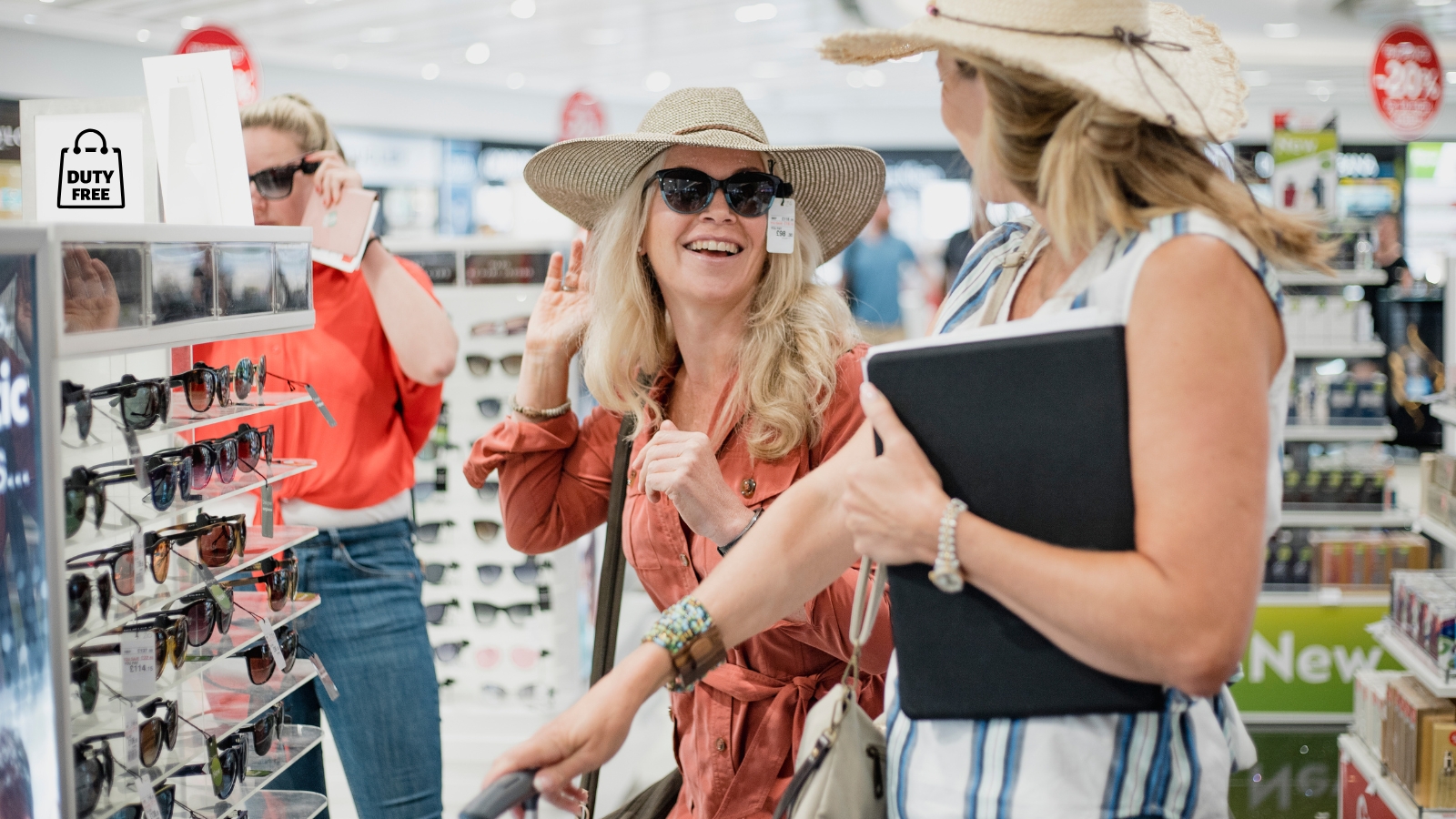
Image Courtesy: Canva Pro
Why local identity still matters
Not every successful airport retail strategy revolves around international luxury. Seoul Incheon has developed a strong reputation for beauty and skincare. South Korea’s influence on global beauty culture has transformed the airport into a destination for travellers seeking products that remain difficult to source elsewhere. Korean skincare brands, cosmetics, wellness products, and travel-retail exclusives attract passengers who often arrive with shopping lists already prepared.
Tokyo’s Haneda and Narita airports demonstrate a different strength. Here, local products frequently generate as much interest as international luxury brands. Japanese whisky, artisanal confectionery, premium stationery, beauty products, and region-specific gifts attract travellers seeking items with a strong connection to place. These purchases often carry greater meaning because they remain closely linked to the destination itself. Travellers are not simply buying products. They are taking home a tangible reminder of where they have been.
The rise of travel-exclusive products
The success of airports such as Dubai and Singapore demonstrates how duty-free shopping has evolved beyond simple transactions. Increasingly, travellers engage with retail as part of the broader airport experience rather than as a last-minute purchase before boarding.
Travellers now have unprecedented access to information. A quick search can reveal whether a handbag costs less in Paris, whether a watch carries a premium in Singapore, or whether a fragrance is available online with next-day delivery. Transparency has fundamentally changed the retail landscape. In response, airports have shifted their focus towards exclusivity.
Travel-retail beauty collections, limited-edition spirits, airport-only packaging, exclusive product launches, and destination-specific offerings have become increasingly common. The strongest retailers recognise that modern travellers are searching for products they cannot easily obtain elsewhere. This strategy is particularly evident within premium spirits. Airports frequently receive exclusive whisky releases from brands such as Macallan, Glenfiddich, Johnnie Walker, and Chivas Regal, creating strong demand among collectors and enthusiasts.
Luxury beauty brands have adopted a similar approach through travel-exclusive formats, curated gift sets, and early product launches. As a result, airports now play a central role in the global distribution strategies of many leading brands.
Why duty-free shopping still thrives
What makes duty-free shopping particularly fascinating is the psychology that surrounds it.
Travellers occupy a unique mental space while moving through an airport. They have temporarily stepped away from daily routines and entered an environment shaped by anticipation, movement, and transition. Purchases made in this context often carry a significance that extends beyond the product itself.
A bottle of whisky purchased before boarding in Tokyo, a fragrance chosen in Paris, or a box of chocolates bought before returning home becomes connected to the journey. These items function as souvenirs, gifts, rewards, and reminders of a specific moment in time.
This emotional connection helps explain why airport retail continues to flourish despite the rise of e-commerce.
In an era when almost any product can arrive at a front door with a few clicks, airports retain one important advantage: context. The product may be identical, but the experience surrounding the purchase changes its meaning.
That may explain why duty-free shopping continues to thrive even as online retail expands. The most successful airports understand that they are no longer simply selling products. They are selling discovery, exclusivity, access, and a final connection to the journey itself.
For many travellers, that last purchase becomes one of the most memorable parts of the trip. The most successful airports understand that they are no longer simply selling products. Through duty-free shopping, they are selling discovery, exclusivity, access, and a final connection to the journey itself.
FAQs
What is duty-free shopping?
Duty-free shopping allows international travellers to purchase selected products without certain local taxes and duties.
Which airports are best for duty-free shopping?
Dubai International, Singapore Changi, London Heathrow, Doha Hamad International, Seoul Incheon, and Tokyo Haneda are among the world’s leading duty-free shopping destinations.
Are duty-free products always cheaper?
Not always. Many travellers now shop for exclusive products, limited editions, and travel-retail collections rather than price alone.
What products are most popular in duty-free shops?
Premium spirits, beauty products, fragrances, luxury accessories, confectionery, and travel-exclusive collections remain top sellers.
Why does duty-free shopping remain popular?
Duty-free shopping combines convenience, exclusivity, and a sense of discovery, allowing travellers to connect purchases with the experience of travel itself.