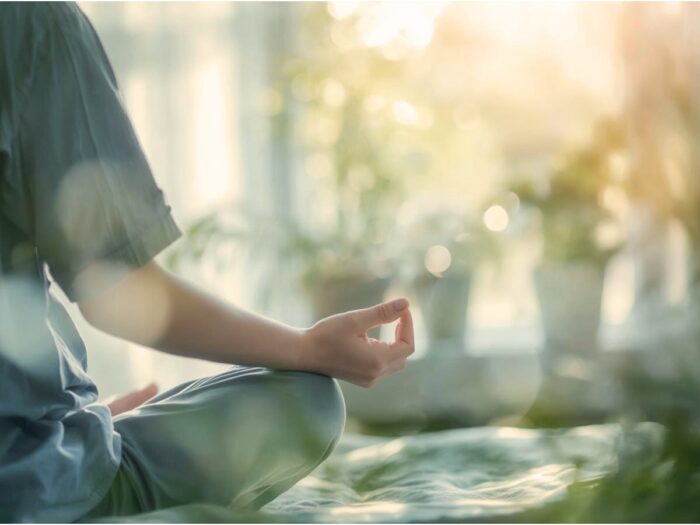
Few countries occupy a more influential position in the global wellness conversation than India. At a time when wellness has become a multi-billion-dollar industry, travellers are crossing continents in search of better sleep, improved focus, reduced stress, and meaningful recovery. Yet many of the practices shaping modern wellbeing, from yoga and meditation to Ayurveda and holistic healing, have roots that stretch deep into the Indian subcontinent.
This heritage gives wellness retreats in India a distinctive advantage. While many destinations have built wellness programmes around contemporary trends, India draws from traditions that have evolved over centuries. Wellness here often feels connected to culture, philosophy, and daily life rather than operating as a standalone hospitality offering. As a result, the country’s leading retreats attract travellers seeking more than relaxation. They come looking for restoration, perspective, and an opportunity to step back from increasingly demanding lifestyles.

Image Courtesy: Canva Pro
Why India remains central to the global wellness conversation
The growth of wellness travel has created a highly competitive international market. From Alpine medical spas and Thai wellness resorts to longevity clinics in Europe and luxury retreats in the Middle East, travellers now have more options than ever before.
India, however, occupies a different position within this landscape. Many destinations have adopted wellness as a hospitality category. India helped shape many of the philosophies that underpin it. Yoga, meditation, Ayurvedic principles, mindful living, and holistic approaches to health continue to influence wellness programmes around the world. This gives the country’s retreats a depth that can be difficult to replicate elsewhere. Rather than focusing solely on temporary escape, many wellness retreats in India encourage guests to build practices that can continue long after they return home. The emphasis often extends beyond treatment rooms and spa menus to include nutrition, movement, sleep, emotional wellbeing, and long-term lifestyle habits.
Tradition still shapes the wellness experience
Few properties illustrate this philosophy more effectively than Ananda in the Himalayas. Located near Rishikesh at the foothills of the Himalayas, Ananda has become one of the most recognised wellness destinations in the world. Its reputation stems from its ability to combine ancient traditions with contemporary expectations, creating programmes that feel both authentic and highly personalised.
Guests may begin the day with meditation overlooking the surrounding hills, participate in yoga sessions designed around individual needs, receive Ayurvedic therapies, and consult with wellness specialists who develop programmes tailored to specific goals. The retreat integrates these experiences into a broader framework that encourages reflection and balance rather than quick results. Properties such as Ananda demonstrate why wellness retreats in India continue to attract a global audience. Rather than separating physical wellbeing from mental and emotional health, they approach wellness through a more integrated lens.
Kerala and the enduring influence of Ayurveda
If Ananda represents the meeting point between tradition and modern wellness, Kerala remains the spiritual home of Ayurveda itself. The state has spent decades building a reputation as one of the world’s leading destinations for Ayurvedic healing. Travellers arrive not simply for spa treatments but for immersive programmes that combine consultation-led care, nutrition, movement, herbal therapies, and preventative health practices.
Properties such as Somatheeram Ayurveda Village and Kairali Ayurvedic Healing Village have built international followings by committing to this approach. Practitioners design programmes around gradual and sustained change rather than immediate gratification, encouraging guests to view wellness as an ongoing process rather than a short-term intervention. This distinction helps explain Kerala’s enduring appeal. The experience feels less like a luxury escape and more like participation in a living tradition that continues to shape daily life across the region.
A new generation of wellness retreats
While traditional healing systems remain central to India’s wellness identity, the industry continues to evolve. Luxury hospitality groups are increasingly investing in programmes that combine preventive health, fitness, sleep optimisation, nutrition, recovery, and longevity-focused therapies. These offerings appeal to a growing number of travellers who arrive with specific goals rather than a general desire to relax.
At Atmantan Wellness Centre near Mulshi Lake in Maharashtra, guests can pursue objectives ranging from stress management and improved sleep to fitness transformation and weight management through highly personalised programmes supported by wellness and medical professionals. This evolution mirrors a broader shift within global wellness travel. Travellers increasingly seek measurable outcomes. They want to sleep better, move more freely, manage stress more effectively, or simply regain a sense of balance after extended periods of professional and personal pressure.

Image Courtesy: iStock
The role of place in healing
One of India’s greatest strengths lies in the diversity of experiences it can offer within a single country. A traveller can spend time in a Himalayan meditation retreat, an Ayurvedic sanctuary in Kerala, a yoga-focused programme in Karnataka, or a contemporary wellness resort in Maharashtra, each delivering a distinctly different interpretation of wellbeing.
Geography plays a central role in shaping those experiences. The mountains of Uttarakhand encourage stillness and reflection. Kerala’s backwaters create a slower rhythm rooted in nature and tradition. Karnataka’s landscapes support contemplative, yoga-focused retreats, while Maharashtra’s lakeside settings lend themselves to programmes centred on recovery and lifestyle transformation. Each landscape shapes the wellness experience in its own way, allowing retreats to create programmes that feel inseparable from their surroundings.
What wellness retreats in India understand better than most
The continued appeal of wellness retreats in India extends beyond treatments, therapies, or facilities. Travellers may arrive seeking better health, reduced stress, improved sleep, or a temporary break from routine, but the strongest retreats often leave a deeper impression. They encourage a different relationship with time.
The most memorable wellness experiences rarely emerge from a single massage, consultation, or therapy session. Instead, they develop through the cumulative effect of slower mornings, uninterrupted sleep, mindful movement, nourishing food, and environments designed to encourage reflection. India’s leading retreats understand this instinctively. Rather than positioning wellness as an escape, they treat it as a process of restoration, one that allows travellers to return home feeling healthier, more focused, and fundamentally renewed.
As wellness travel continues to evolve, that perspective may prove to be India’s greatest advantage. The country offers more than programmes or treatments. It offers a philosophy of wellbeing that remains as relevant today as it has been for centuries.
FAQs
What are the best wellness retreats in India?
Ananda in the Himalayas, Somatheeram Ayurveda Village, Kairali Ayurvedic Healing Village, Shreyas Retreat, and Atmantan Wellness Centre are among India’s leading wellness retreats.
Why is India famous for wellness tourism?
India is the birthplace of yoga, Ayurveda, and several holistic healing traditions that continue to influence wellness practices worldwide.
Are wellness retreats in India only focused on Ayurveda?
No. Many retreats combine Ayurveda with yoga, meditation, nutrition, fitness, sleep optimisation, and preventive health programmes.
Which state is best for wellness retreats in India?
Kerala remains closely associated with Ayurveda, while Uttarakhand, Karnataka, and Maharashtra also offer highly regarded wellness destinations.
Why do international travellers choose wellness retreats in India?
Many travellers seek authentic wellness traditions, personalised programmes, and immersive experiences rooted in culture, philosophy, and nature.