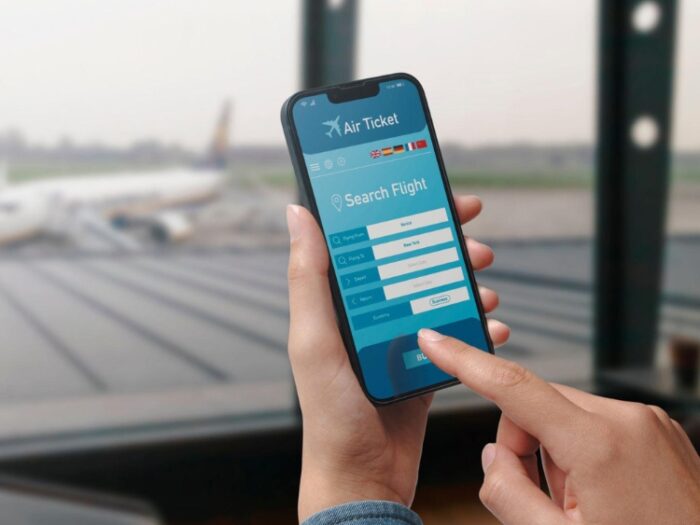
A few moments of travel create as much anxiety as searching for a flight just days before departure.
Most travellers assume the outcome is already predetermined. Wait too long, and prices will soar. While there is certainly some truth to that belief, modern airline pricing operates very differently from what many travellers imagine. Airlines no longer sell seats according to a simple timeline. Instead, sophisticated revenue management systems constantly adjust fares in response to demand, competition, booking patterns, route performance, and seasonal trends.
This complexity explains why last-minute flight deals continue to appear even in an era of dynamic pricing. Although travellers rarely benefit from leaving everything until the final moment, those who understand how airlines manage inventory often discover opportunities that others overlook.

Image Courtesy:AI Generated
Why airline pricing rarely follows a predictable pattern
Many travellers still assume airlines price tickets according to distance travelled or proximity to departure. In reality, carriers rely on sophisticated forecasting systems that continually assess how a route is performing and how much demand they expect to see before departure. As a result, two travellers searching for flights on the same day can encounter very different prices depending on the route, time of day, competition, and expected demand.
Business-heavy routes illustrate this particularly well. Airlines know that corporate travellers frequently book close to departure and often prioritise convenience over price. Certain departures, therefore, become significantly more expensive as travel dates approach. Yet nearby flights on the same route may remain relatively affordable because expected demand has not materialised. Understanding this dynamic is often the first step towards finding meaningful value.
The travellers who find value focus on options
Experienced travellers rarely become attached to a single flight. Instead, they focus on alternatives. A departure at 6 a.m. rather than 9 a.m., an evening flight instead of an afternoon departure, or a journey one day earlier can sometimes produce substantial price differences. In major aviation markets such as London, New York, Paris, and Tokyo, flexibility of only a few hours can occasionally reduce fares by hundreds of dollars.
This principle extends beyond flight schedules. Travellers searching for last-minute flight deals often achieve better results when they widen their search parameters rather than narrowing them. The more options available, the more opportunities emerge.
Why airport choice can influence price
Destination flexibility can be just as valuable as schedule flexibility. Many travellers search for a specific airport without considering nearby alternatives that may offer stronger availability and lower fares. Yet airlines frequently price neighbouring airports very differently depending on demand patterns and competition. Flying into Milan instead of Venice, Osaka instead of Kyoto, or Abu Dhabi instead of Dubai can sometimes create opportunities that would otherwise remain hidden. This approach requires slightly more planning, but it reflects a broader reality of modern travel. Flexibility has become one of the most valuable currencies available to travellers.
Technology has changed the search process
Technology has fundamentally changed the way travellers approach late bookings. Fare comparison platforms now allow users to monitor multiple routes simultaneously, compare nearby airports, track pricing patterns, and identify unusual opportunities within minutes. Tasks that once required travel agents and lengthy phone calls can now be completed over a morning coffee.
This shift has made last-minute flight deals more accessible to travellers willing to explore multiple possibilities rather than pursuing a single outcome. The advantage no longer belongs solely to industry insiders. It increasingly belongs to travellers who know how to interpret the information available to them.
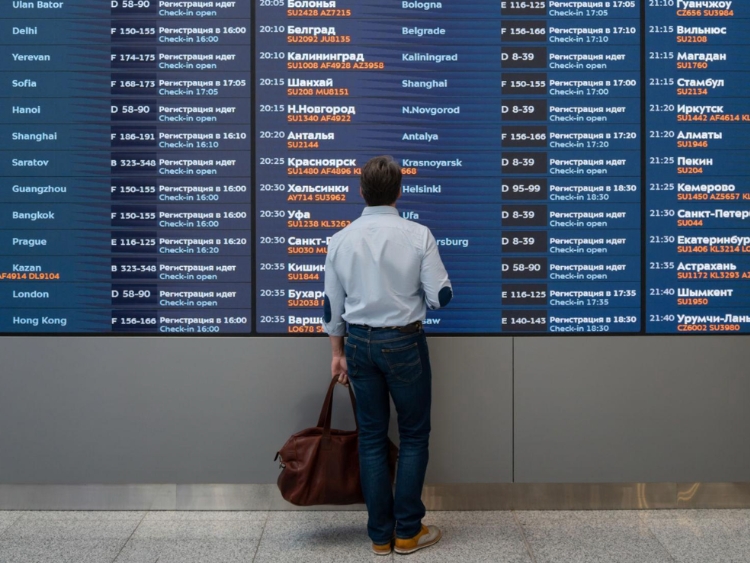
Image Courtesy: AI Generated
The overlooked value of one-way tickets
One of the most underused strategies remains surprisingly simple. Many travellers assume that booking a return ticket automatically represents the most economical choice. Increasingly, that assumption proves incorrect.
On competitive international routes, combining two separate one-way tickets across different airlines can sometimes unlock significantly better value. Airlines often price outbound and inbound sectors differently, creating opportunities for travellers willing to mix carriers and booking strategies. This approach requires a little more effort, but it can produce meaningful savings, particularly when booking close to departure.
Why loyalty programmes become more valuable at the last minute
Frequent travellers often view loyalty programmes primarily as tools for earning rewards. Yet they can become particularly valuable when departure dates draw near. As flights fill up, airlines frequently increase cash fares while maintaining award availability at relatively stable redemption levels. This creates situations where points deliver significantly stronger value than they would during earlier booking windows.
For experienced travellers, loyalty balances can effectively serve as a hedge against rising prices. The ability to redeem points on short notice occasionally transforms an expensive booking into a surprisingly reasonable one.
The psychology behind successful bookings
Perhaps the most important difference between travellers who consistently find value and those who do not has very little to do with technology.
It comes down to mindset. Many travellers approach last-minute bookings with a sense of urgency that narrows their thinking. They focus on a single route, a specific airline, or one preferred departure time. As prices rise, frustration often follows. Travellers who regularly uncover last-minute flight deals tend to adopt the opposite approach. They expand the search. They consider alternative airports, different departure times, additional connection points, and multiple carriers. Rather than treating travel planning as a transaction, they approach it as a puzzle. That shift in perspective often creates opportunities that would otherwise remain invisible.
Why flexibility remains the greatest advantage
Of course, not every last-minute booking produces a bargain. Peak holiday periods, major international events, and consistently high-demand routes continue to command premium prices. Yet the belief that every late booking inevitably leads to eye-watering fares no longer reflects the realities of modern aviation.
Dynamic pricing, technology, loyalty programmes, and increasingly sophisticated search tools have changed the landscape considerably. Travellers who remain flexible often discover opportunities that more rigid search strategies miss entirely. The most successful travellers understand that finding last-minute flight deals is not always about booking earlier than everyone else. Quite often, it comes down to looking differently. In a travel industry shaped by algorithms and constantly shifting demand, flexibility remains one of the few advantages that travellers can still control.
FAQs
Can you still find last-minute flight deals?
Yes. While prices often rise closer to departure, flexible travellers can still find value through alternative routes, airports, and flight times.
Why do airline ticket prices change so frequently?
Airlines use dynamic pricing systems that adjust fares based on demand, competition, seasonality, and booking patterns.
Are one-way tickets cheaper than return flights?
Sometimes. On competitive routes, combining two one-way tickets across different airlines can occasionally reduce overall costs.
Do loyalty points help with last-minute bookings?
Yes. Airlines often maintain award availability even when cash fares increase significantly close to departure.
What is the best strategy for finding last-minute flight deals?
Remain flexible with airports, departure times, travel dates, and airlines while using fare comparison tools to identify pricing opportunities.