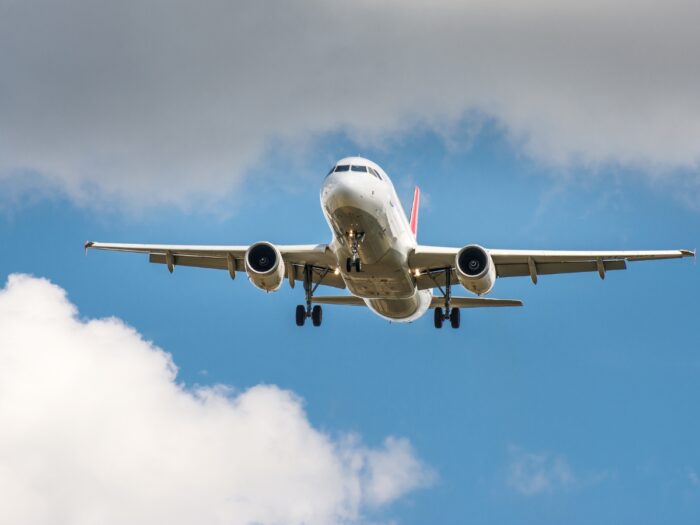
Why the best in-flight WiFi is becoming aviation’s new battleground
The email says ‘sent’, but nothing happens.
Somewhere over the Atlantic, a consultant refreshes her inbox for the third time. A presentation needs final approval before landing. A video call is scheduled shortly after arrival. The aircraft map shows steady progress towards its destination, but the internet connection tells a different story. For all the advances in modern aviation, few aspects of the passenger experience generate more frustration than in-flight connectivity.
The irony is that connectivity has never been more important. Business travellers work from airport lounges, hotel rooms, rides
hares, and cafés without a second thought. The expectation of being connected has become so deeply embedded in professional life that losing access for several hours often feels less like a break and more like a disruption. As a result, WiFi has evolved from a premium feature into a deciding factor. For many travellers, the question is no longer whether an airline offers internet access. They are increasingly asking which carrier offers the best in-flight WiFi and whether that connection actually works when it matters most.
From amenity to infrastructure
Airlines have spent years advertising in-flight internet, yet the quality of the experience still varies dramatically across carriers, aircraft types, and routes. Some systems comfortably support email, messaging, and web browsing. Others struggle with basic functionality, turning what was promised as productivity into an exercise in patience.
A growing divide is emerging between airlines that treat connectivity as an amenity and those that view it as infrastructure. The distinction matters because passenger expectations have changed. Travellers no longer want occasional access to messages or basic browsing. They want the same reliability they experience on the ground. As a result, the race to deliver the best in-flight WiFi has become one of the industry’s most important competitive battlegrounds.
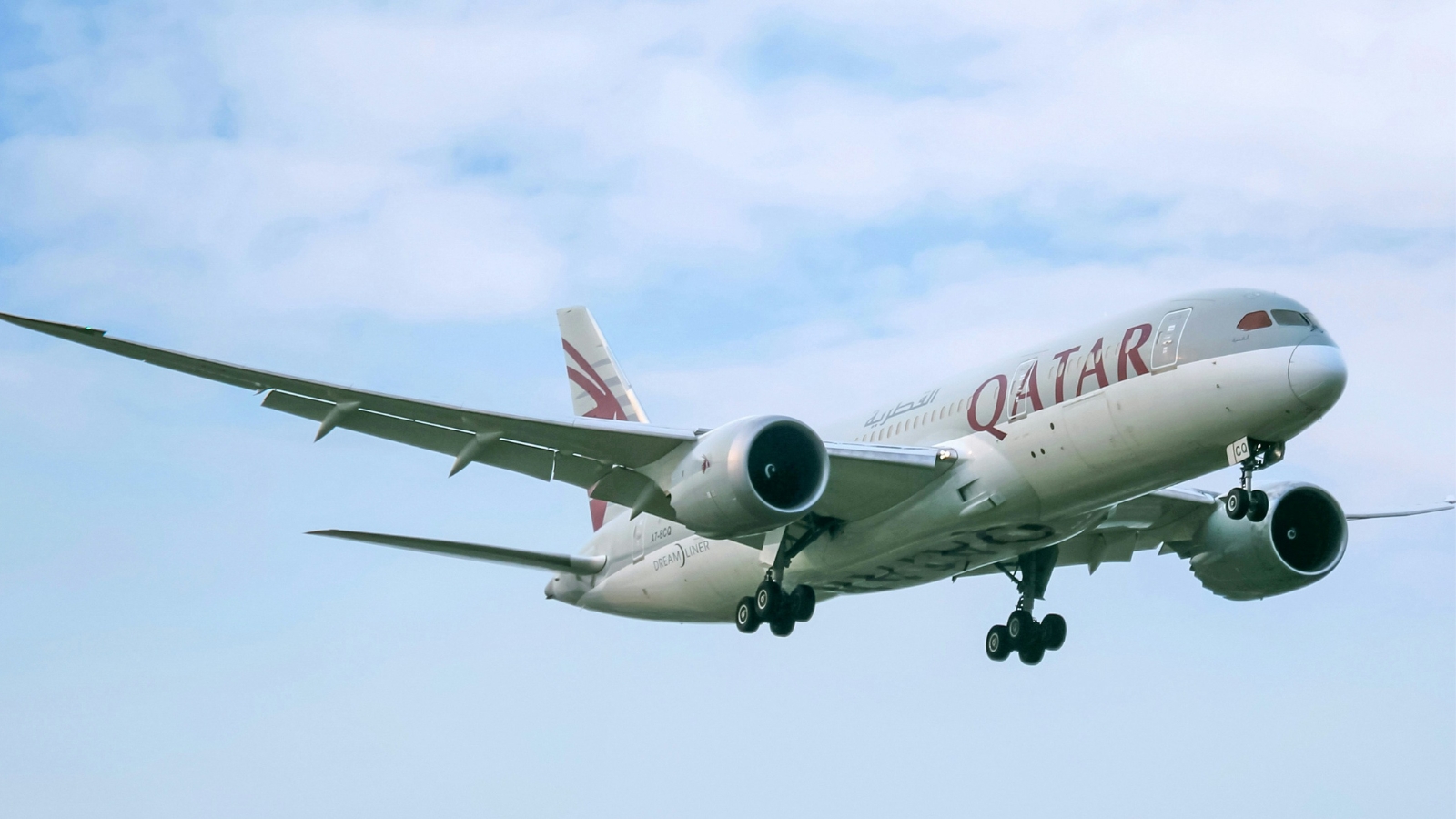
Image Courtesy: Unsplash
Why Qatar Airways and Starlink are attracting attention
Qatar Airways sits at the forefront of this shift. Through its partnership with Starlink, the airline has begun introducing high-speed satellite internet capable of supporting streaming, video calls, and significantly faster browsing speeds than traditional systems. The rollout has attracted considerable industry attention because it signals a broader change in expectations. Connectivity is increasingly being designed around modern passenger behaviour rather than basic access alone.
The significance extends beyond speed. Qatar Airways recognises that business travellers increasingly treat time in the air as productive time. Presentations are reviewed, contracts are approved, and meetings are prepared for somewhere above the clouds. As satellite technology improves, airlines that support these behaviours effectively are likely to gain a meaningful advantage.
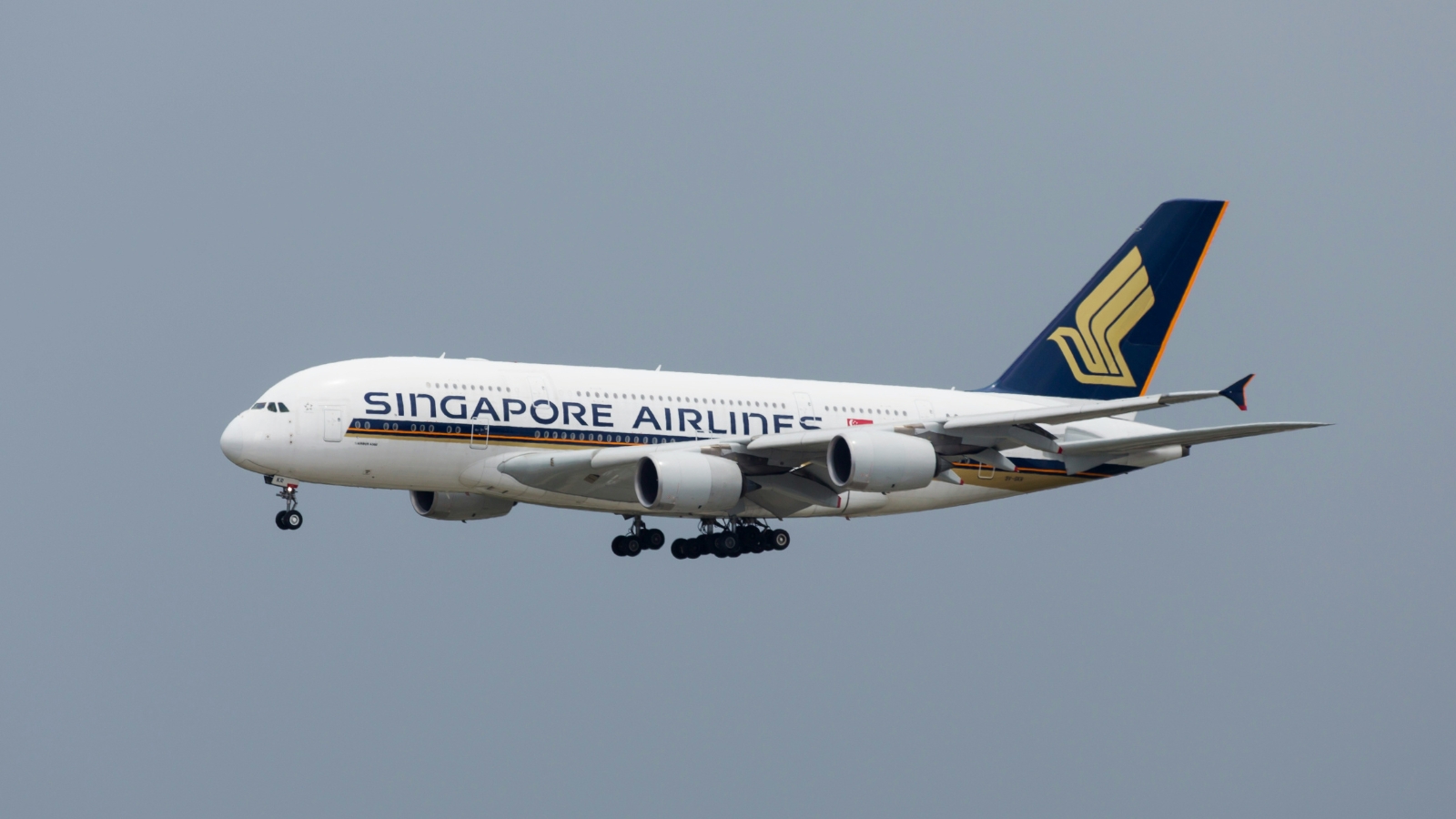
Image Courtesy: Unsplash
The airlines are focusing on seamless access
United Airlines has also committed heavily to Starlink technology, recognising that internet access has become essential rather than optional. As next-generation systems expand across fleets, the gap between connected airlines and genuinely connected airlines is becoming easier to identify.
Elsewhere, Singapore Airlines has focused on accessibility. Complimentary WiFi for premium passengers and loyalty programme members has become an increasingly attractive part of the travel experience. The approach aligns naturally with the airline’s broader reputation for consistency and operational excellence. Emirates has adopted a similar strategy, investing heavily in onboard connectivity while using its loyalty ecosystem to provide enhanced access. For travellers moving between continents through Dubai, staying connected throughout the journey has become part of the airline’s value proposition.
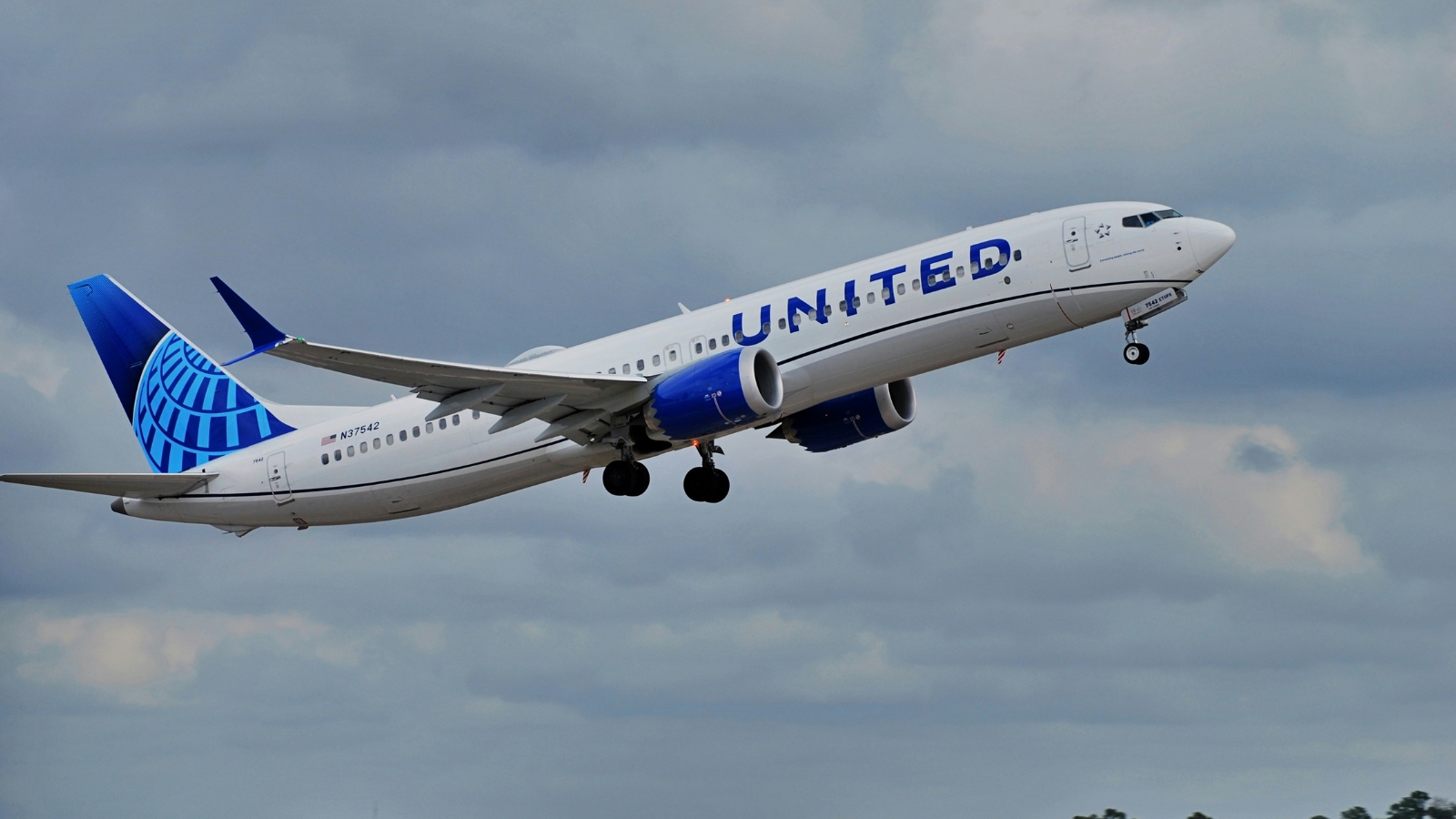
Image Courtesy: Unsplash
Why reliability matters more than speed
The conversation around in-flight connectivity extends well beyond headline speeds. Reliability often proves more important than raw performance. A stable connection that supports email, cloud-based documents, messaging platforms, and collaborative work frequently delivers more value than impressive speeds that fluctuate throughout a flight.
Business travellers are not necessarily looking to stream films during working hours. They want confidence that important tasks can be completed before landing. That distinction explains why the airlines leading the conversation focus not only on technology but on consistency. A connection passengers can trust is ultimately more valuable than one that performs brilliantly only some of the time.
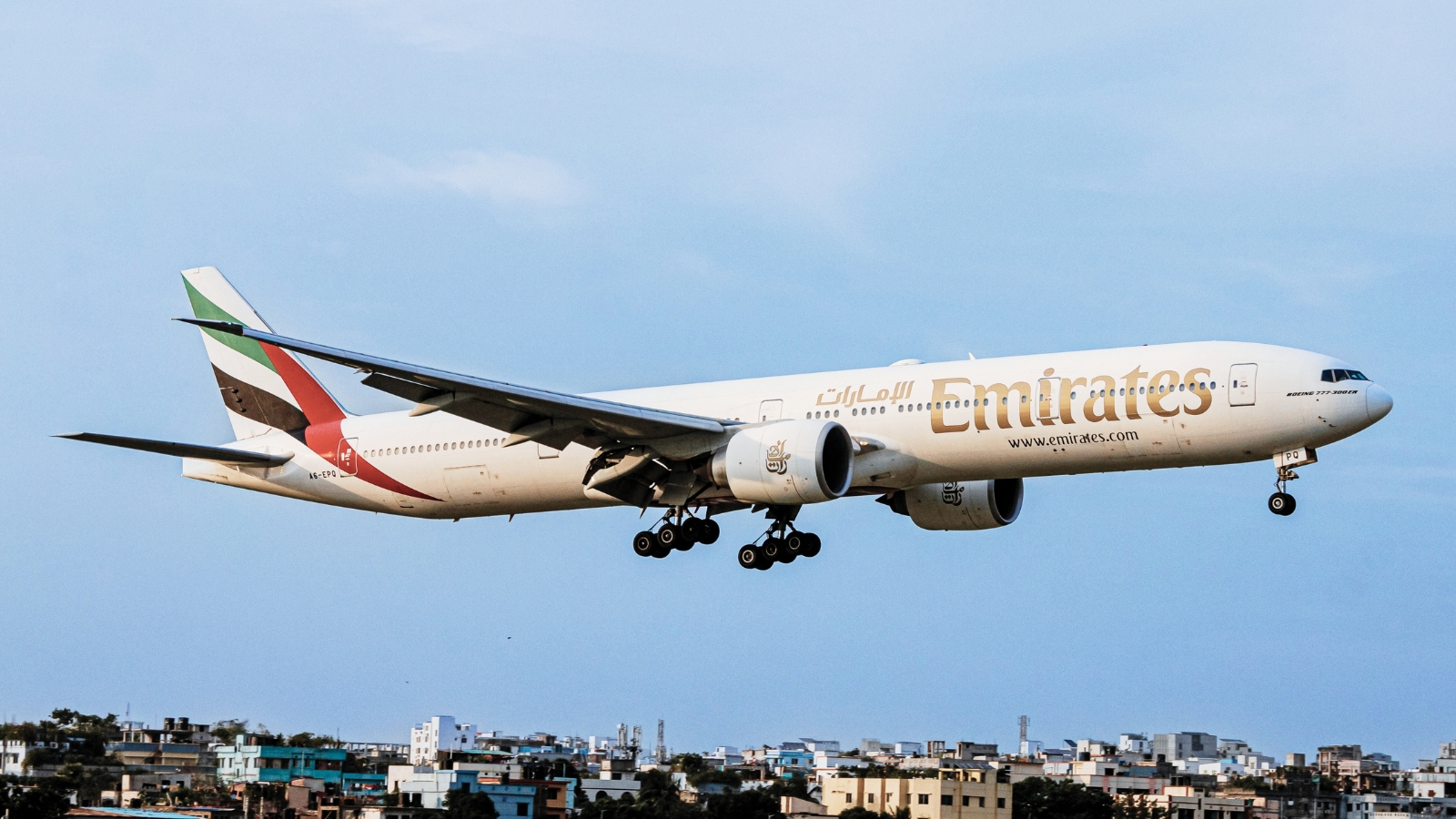
Image Courtesy: Unsplash
The future of productivity at 35,000 feet
This shift reflects a broader transformation in how aircraft cabins are being used. The modern business traveller increasingly treats time in the air as productive time rather than downtime. For decades, airlines competed through seats, dining, and service. Those elements remain important, but connectivity has emerged as a new frontier. A lie-flat bed may improve sleep, but a reliable internet connection can preserve an entire workday.
Perhaps the most telling change is how quickly expectations have evolved. A decade ago, passengers viewed in-flight WiFi as a novelty. Today, many travellers notice its absence more than its presence. The airlines leading the race for the best in-flight WiFi understand this shift. They recognise that connectivity is no longer about entertainment. It is about continuity. As high-speed satellite technology becomes more widespread, the question facing airlines is becoming increasingly simple: can passengers work as easily at 35,000 feet as they do on the ground? The carriers that answer that question successfully are likely to earn a growing share of business travellers’ loyalty in the years ahead.
FAQs
Which airline offers the best in-flight WiFi?
Airlines such as Qatar Airways, Singapore Airlines, Emirates, and United Airlines are leading the industry through investments in faster and more reliable connectivity.
Why is in-flight WiFi important for business travellers?
Reliable connectivity allows travellers to work, communicate, and manage tasks during flights, helping them stay productive throughout their journey.
What is Starlink in-flight WiFi?
Starlink uses a network of low-Earth orbit satellites to deliver faster internet speeds and lower latency than many traditional in-flight WiFi systems.
Is faster in-flight WiFi always better?
Not necessarily. Reliability, consistency, and the ability to support email, messaging, and cloud-based work often matter more than headline speeds.
Will in-flight WiFi become standard on airlines?
As passenger expectations continue to evolve, high-speed connectivity is increasingly becoming a core part of the airline experience rather than a premium extra.