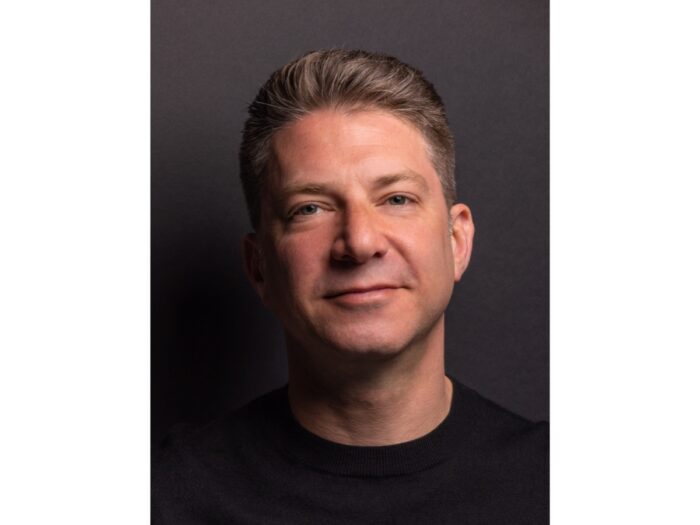
From discovering emerging talent to building global partnerships, Andrew Gould, President of Publishing at Roc Nation, shares why travel, cultural immersion, and human connection remain essential in an increasingly digital entertainment industry.
Entertainment has never been more global. Artists release music simultaneously across continents, audiences discover new talent through social media, and cultural trends travel faster than ever before. Yet despite the industry’s digital transformation, Andrew Gould believes one thing remains unchanged: the value of being present.
As President of Publishing at Roc Nation, Andrew Gould operates at the intersection of music, culture, branding, and global business. Few executives have a broader perspective on how artists, audiences, and cultural movements connect across markets. His work takes him across markets, industries, and creative communities, giving him a unique perspective on how talent emerges, how cultural movements gain momentum, and how artists build lasting influence.
In this conversation, Gould discusses why travel remains critical to understanding culture, how artists are reshaping storytelling in the digital age, why South Korea’s fandom culture fascinates him, and why trust still depends on face-to-face interaction despite the rise of virtual communication.

Image Courtesy: Pexel
How has constant global movement shaped the way you identify cultural shifts and emerging talent?
The cities, languages, and societal norms are all different. Each has its own personality. But there are behaviours that societies share when it comes to authenticity. Movement develops this understanding and keeps it sharp. It helps me read the cultural variables and plug them into that instinct.
Some aspects of identifying emerging talent I can do from my office — putting on the music, looking at the digital footprint, and tuning into whether I feel an emotional reaction. Other aspects require being with an artist in their own environment, observing how they carry themselves and engage with the people and places that are most familiar to them.
Entertainment today is deeply international. How important is travel and physical presence when building artists, partnerships, and influence across markets?
If an artist wants to establish themselves as a long-term, sustainable business in a market, physical presence is essential, particularly in the early stages of a career. Artists compete with an endless supply of media and influences, all competing for people’s attention and spending power. Not showing up in a market you want to break into immediately puts you at a disadvantage.
The same principle applies to partnerships. You can move many things forward through email, but the relationships that endure almost always require someone getting on a plane and showing genuine interest in the people and culture of that market. You have to assume that if you’re not willing to do it, someone else will.
Are there places that consistently influence the way you think about culture and branding?
When I travel internationally, I find inspiration in every city and every exchange. But the place that consistently shapes my understanding of culture and branding is the recording studio.
Sitting with an artist, listening to their music, and discussing it in real time offers a unique perspective. Artists embed their expression of culture into their work. They’re sharing the music they believe best represents their creativity and identity. The conversations before and after each song often reveal just as much as the music itself.
I love asking questions and listening. Artists are often eager to explain what sits at the centre of their creative DNA.
As artists increasingly evolve into global brands, how has storytelling changed across regions and audiences?
I would argue there is actually less variation in storytelling today than many people assume. Not because cultures have become the same, but because the tools are largely universal.
Artists in Lagos, Seoul, São Paulo, London, Mexico City, and New York are working with many of the same platforms and technologies. The playbook is available to everyone.
One result is that artists now tell their stories directly. They communicate through their own channels, in their own voice, with very little friction between themselves and their audience. There are fewer gatekeepers and fewer filters, which means the story fans receive is much closer to the one the artist intended to tell.
At the same time, there is more competition for attention than ever before. The challenge is no longer access. The challenge is creating stories that are authentic, compelling, and memorable enough to rise above the noise.
In an era dominated by virtual communication, what still makes in-person meetings so valuable?
Video calls work well for updates, logistics, and routine conversations. But trust is still built in person.
The moments that move a relationship beyond a transaction usually happen face-to-face. They happen backstage after a show, over dinner after a long day in the studio, or while walking through a city together.
Physical presence also creates a different quality of attention. When I travel to meet someone, I am fully present. I’m not distracted by notifications or office interruptions. That level of focus signals commitment in a way that email never can.
Ultimately, it comes back to shared experiences. Those experiences create the foundation for stronger relationships.
The lines between music, sport, fashion, and entertainment continue to blur. What makes a crossover feel authentic?
It starts with a simple test. If the camera were off and the cheque book stayed closed, would the crossover still happen?
If it feels forced, it probably is.
I noticed years ago that some of the most effective artists on social media consistently shared two things: their work and another genuine passion.
Action Bronson was a great example. He spoke about food with the same enthusiasm he brought to music. It was clearly part of his identity. When he eventually launched his own food show, it felt completely natural because audiences already understood that connection. It reflected who he was rather than a commercial strategy.

Image Courtesy: iStock
Having worked across different markets, what differences stand out in the way audiences engage with artists and celebrity culture?
The market that fascinates me most is South Korea, particularly the level of superfandom within K-pop.
We live in a streaming-dominated world, yet South Korean fans — and K-pop fans globally — continue to purchase tens of millions of physical albums every year. The purchase isn’t simply about listening to music. It’s about collecting, participating, and expressing identity.
Artists release multiple versions of albums, packaging, and artwork, and fans actively seek them out. The physical product still holds significant meaning.
K-pop fans also invest heavily in live experiences and organise themselves with remarkable efficiency to support their favourite artists. That level of engagement becomes part of personal identity in a way that is rare elsewhere.
It’s a phenomenon I find endlessly fascinating.
Airports, hotels, and late-night flights are often part of your routine. How do you stay grounded while constantly moving?
I start almost every morning with fifteen minutes of meditation, regardless of where I am. It’s non-negotiable.
Sleep is another priority. I aim for at least six hours each night. It’s not as much as I would ideally like, but it’s the point where I perform best while still maintaining the schedule I need.
Walking is probably my most important habit. It’s how I experience a city, take calls, process decisions, and stay active when a gym isn’t practical. If a destination is within a mile, I’ll usually walk there regardless of the weather.
That routine helps me stay grounded and maintain clarity across time zones.
Looking ahead, where do you see the biggest opportunities for leaders who understand both global culture and global mobility?
Two opportunities stand out.
The first is speed. Leaders who spend time in different markets often identify emerging trends before they appear in reports or datasets. Physical presence allows you to see cultural shifts as they happen.
The second is solving the challenge of thinking globally while acting locally. Many organisations succeed at one or the other, but very few excel at both.
The leaders best positioned to achieve that balance are the ones who spend time understanding different cultures firsthand. They know how people think, what they respond to, and how local nuances shape behaviour.
Those insights create opportunities not only to respond to culture, but to influence it.