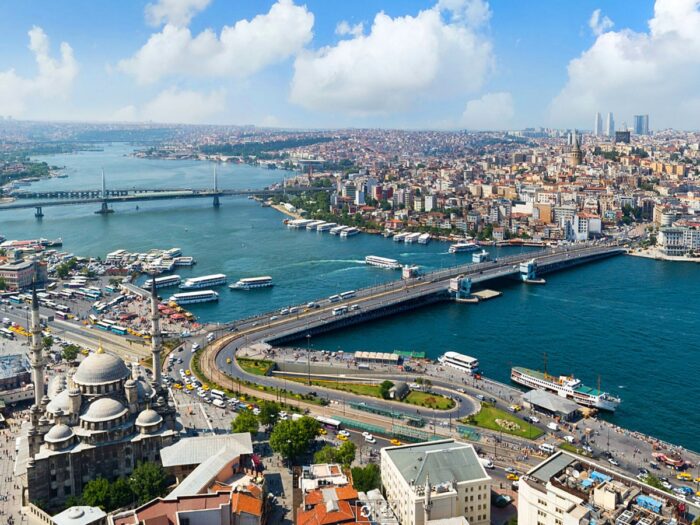
The best way to experience Istanbul is to resist the temptation to treat it as a checklist. For travellers with 48 hours in Istanbul, the challenge is rarely deciding what to see. It is deciding what to leave out.
The city certainly possesses the landmarks. Hagia Sophia remains one of the most significant buildings ever constructed. The Blue Mosque continues to define much of the historic skyline, while the Grand Bazaar attracts visitors from around the world. Yet Istanbul’s appeal has always extended beyond individual attractions. What makes the city memorable is the way it shifts between identities throughout the day, moving effortlessly between Europe and Asia, tradition and modernity, commerce and culture.
As Turkish Airlines continues to strengthen Istanbul’s position as one of the world’s most connected aviation hubs, many business travellers find themselves arriving with a long layover, an extended stopover, or a brief window between meetings. Fortunately, 48 hours in Istanbul is enough to experience the city meaningfully, provided the focus remains on how Istanbul is lived rather than simply what it contains.
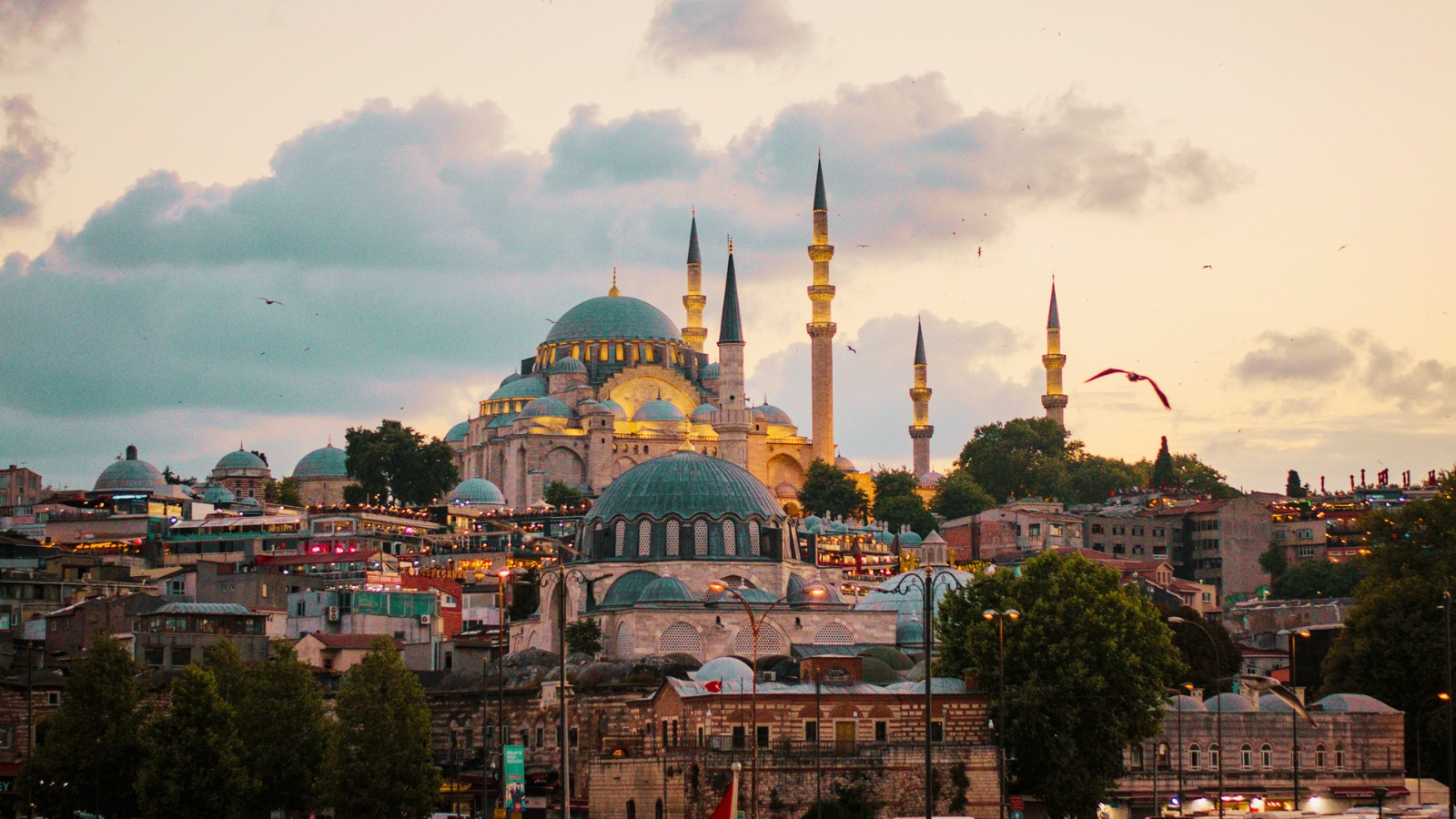
Image Courtesy: Pexels
Begin with the city that shaped empires
Any first visit should begin in Sultanahmet, where much of Istanbul’s history remains concentrated within a remarkably walkable area. Arriving early transforms the experience. Before tour groups gather and queues begin to form, the neighbourhood feels calmer and more reflective. This is particularly true at Hagia Sophia, a structure that has stood at the centre of the city for nearly fifteen centuries. Few buildings illustrate Istanbul’s layered history so effectively. Having served as both church and mosque across different eras, it reflects the cultural and political transformations that shaped the city itself.
A short walk away, the Blue Mosque offers a different but equally important perspective on Istanbul’s architectural heritage. Together, the two landmarks create one of the most remarkable urban landscapes in the world and provide an essential introduction to the city’s historical significance. From there, continue towards the Grand Bazaar. While the market remains one of Istanbul’s defining attractions, some of the most rewarding discoveries often happen beyond its main corridors. Workshops producing textiles, ceramics, jewellery, and leather goods continue to operate throughout the surrounding streets, preserving traditions that have shaped the city’s commercial identity for generations.
Follow Istanbul’s evolving food culture
While history draws travellers to Istanbul, food increasingly persuades them to stay longer. The city’s culinary landscape has evolved significantly over the past decade. Traditional Turkish cuisine remains central to the experience, yet a new generation of chefs has begun reinterpreting regional ingredients and historic recipes through a more contemporary lens.
Districts such as Karaköy and the Galataport waterfront have become particularly influential in this transformation. Restaurants here balance local traditions with modern techniques, creating dining experiences that feel distinctly Turkish while reflecting the city’s increasingly international outlook. Rather than rushing between attractions, lunch offers an opportunity to slow down and observe the rhythm of daily life. In Istanbul, some of the most memorable moments often happen away from the major landmarks.
Understanding Istanbul from the Bosphorus
No experience explains Istanbul more effectively than time spent on the Bosphorus. The waterway does more than divide continents. It connects the city. Ferries move constantly between shorelines, carrying commuters, students, families, and visitors between different parts of daily life. Spending time on the water offers a perspective that streets alone cannot provide.
From the Bosphorus, travellers encounter Ottoman palaces, historic waterfront mansions, luxury hotels, mosques, and residential neighbourhoods that rarely appear on conventional itineraries. More importantly, they begin to understand how geography continues to shape the city’s identity. Few global cities maintain such a close relationship with the water that surrounds them.
Why the Asian side often becomes the highlight
Many first-time visitors arrive expecting the historic centre to define their experience. Quite often, the opposite happens. Districts such as Kadıköy reveal a different side of Istanbul altogether. The atmosphere feels more residential, the pace more relaxed, and the experience noticeably more local. Markets, independent cafés, bookstores, waterfront restaurants, and neighbourhood streets create an environment that encourages exploration rather than sightseeing. The appeal lies partly in what is absent. Visitors encounter fewer crowds and fewer formal attractions, allowing the city itself to take centre stage. For travellers seeking a deeper understanding of contemporary Istanbul, the Asian side often provides the most revealing perspective.
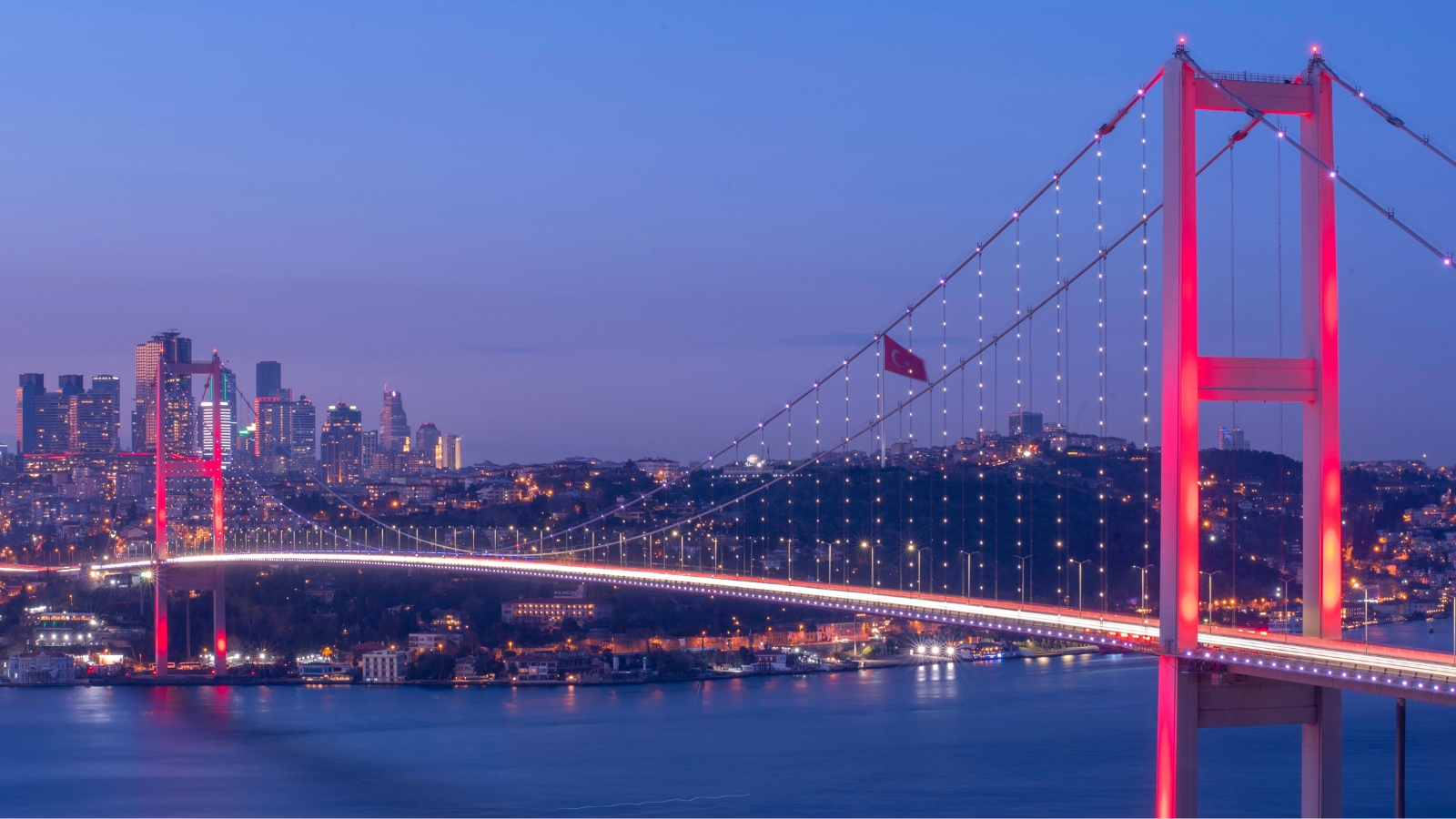
Image Courtesy: Canva Pro
Spend the evening where old and new Istanbul meet
Back on the European side, Beyoğlu offers one of the clearest examples of Istanbul’s ability to reinvent itself while remaining connected to its past. Historic façades sit alongside contemporary galleries, rooftop bars, luxury hotels, independent boutiques, and innovative restaurants. The district has long attracted artists, entrepreneurs, writers, and creatives, giving it an energy distinct from the city’s more traditional quarters. While Istiklal Avenue remains one of Turkey’s busiest streets, the surrounding side streets often reveal the neighbourhood’s true character. Here, travellers move between centuries-old buildings and contemporary concepts within the span of a few minutes, a contrast that feels unique to Istanbul.
Let the second day unfold differently
The second day rewards a slower approach. Rather than focusing on major attractions, spend time exploring neighbourhoods. Walk through the colourful streets of Balat. Follow the waterfront in Arnavutköy. Stop for Turkish coffee without researching where to find the best cup. Browse small shops. Sit in a public square. Watch ferries arrive and depart. Istanbul often reveals itself through observation rather than planning. This has always been a city defined by movement. Traders, diplomats, merchants, and travellers passed through Istanbul for centuries on their way elsewhere, carrying with them ideas, cultures, and influences that helped shape the city that exists today.
Forty-eight hours may not provide enough time to understand Istanbul completely. It is, however, enough time to understand why so many visitors find themselves returning. The city’s greatest attractions are not simply its monuments, but the atmosphere that exists between them. The greatest lesson from spending 48 hours in Istanbul is that the city rewards curiosity far more than speed.
FAQs
Is 48 hours enough to experience Istanbul?
While two days cannot cover everything, 48 hours in Istanbul is enough to explore its major landmarks, neighbourhoods, food scene, and Bosphorus waterfront.
What should I prioritise during a short visit to Istanbul?
First-time visitors should focus on Sultanahmet, the Bosphorus, Beyoğlu, and Kadıköy to experience both historic and contemporary Istanbul.
Which side of Istanbul is better to visit?
Both offer different perspectives. The European side is home to many of the city’s iconic landmarks, while the Asian side provides a more local and relaxed atmosphere.
Is the Bosphorus worth visiting?
Absolutely. A ferry journey along the Bosphorus offers one of the best ways to understand Istanbul’s geography, history, and daily life.
What are the best neighbourhoods to explore in Istanbul?
Sultanahmet, Karaköy, Beyoğlu, Kadıköy, Balat, and Arnavutköy each offer a distinct perspective on the city’s culture and character.