Luxury hospitality has entered a fascinating phase. Hotels have never been more beautiful, yet standing out has never been more difficult. Infinity pools, destination spas, Michelin-starred restaurants, private villas, and personalised service have become expected rather than exceptional. For luxury brands, the challenge is no longer simply creating a remarkable property. It is creating one that feels distinctive in an increasingly crowded marketplace.
That challenge is shaping some of the most anticipated luxury hotel openings in 2026, and the projects attracting the most attention reveal far more than where travellers will stay next year. Increasingly, they reveal how luxury travel itself is changing. Today’s guests are looking beyond scale and spectacle. They want a stronger sense of place, deeper cultural connections, more meaningful wellness experiences, and environments that feel rooted rather than replicated. Viewed collectively, the most anticipated openings of 2026 offer a glimpse into where hospitality is heading next.
Why cultural immersion is becoming the new luxury
Few openings illustrate this shift more clearly than Capella Kyoto. For decades, Kyoto has occupied a unique position within global travel. It remains one of the world’s most visited cultural destinations, yet it is also a city that rewards patience and curiosity. Travellers come for the temples and historic landmarks, but often remember the quieter details: hidden gardens, traditional craft workshops, centuries-old tea houses, and neighbourhoods that reveal themselves gradually over time.
Capella’s arrival reflects a broader movement taking place across luxury hospitality. Travellers increasingly seek immersion rather than observation, choosing hotels that function as gateways into a destination rather than sanctuaries removed from it. Located within the historic Higashiyama district, the property appears set to embrace that philosophy through a focus on intimacy, craftsmanship, and cultural context. It joins a growing category of hotels that feel inseparable from their surroundings and reflects a wider belief that cultural access has become every bit as valuable as comfort itself.
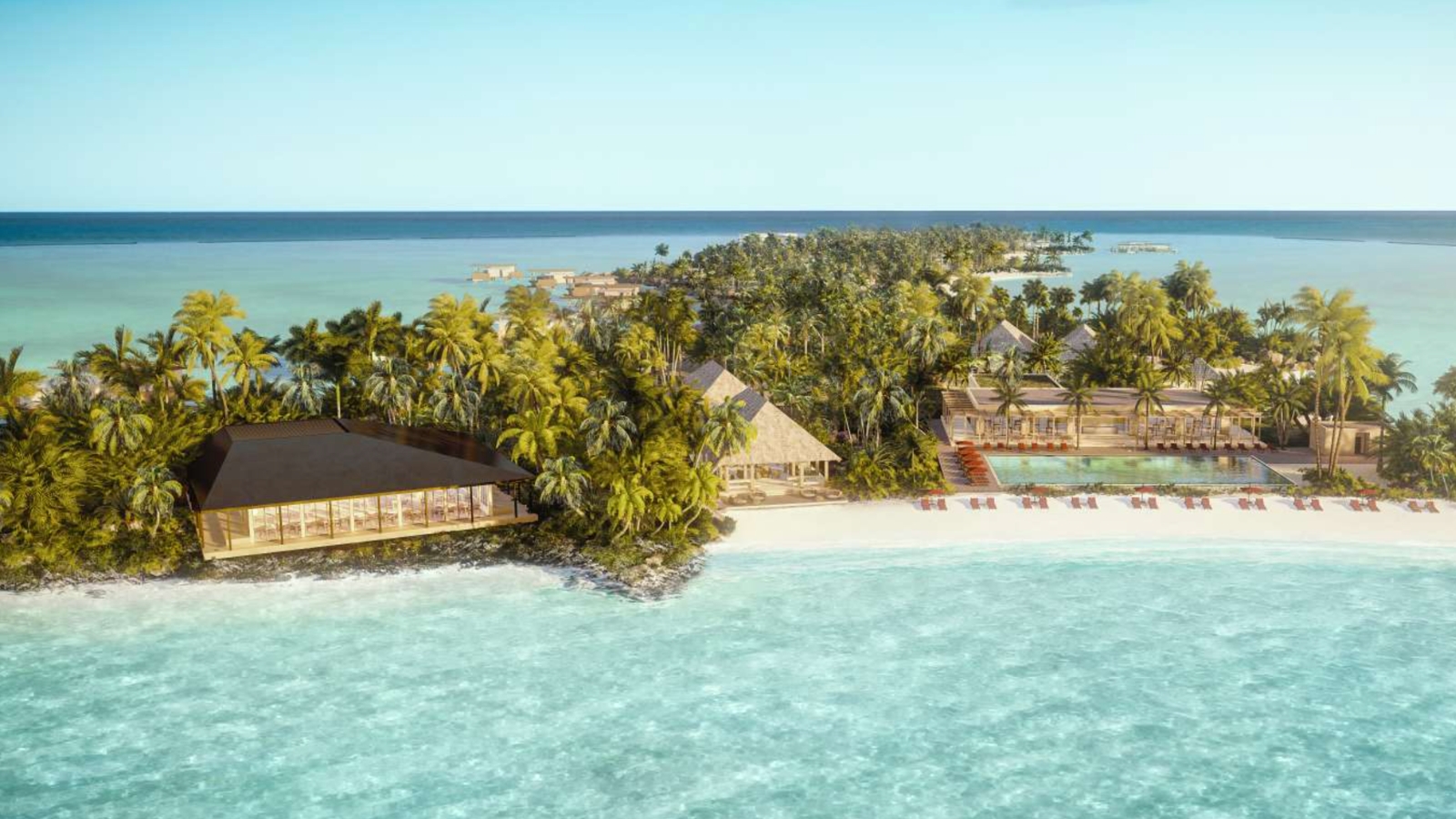
Image Courtesy: Official website
The growing influence of lifestyle brands
A very different story is unfolding in the Maldives, which has long served as luxury hospitality’s ultimate testing ground. Nearly every major hotel brand eventually arrives here with its own interpretation of paradise, yet success is far from guaranteed. In a destination defined by extraordinary natural beauty, differentiation becomes increasingly difficult. That reality helps explain why Bulgari Resort Ranfushi Maldives has become one of the industry’s most closely watched openings.
Over the past decade, Bulgari has developed a hospitality identity that combines Italian design, highly personalised service, and a residential atmosphere that feels distinct from traditional luxury resorts. Its arrival in the Maldives reflects another important trend shaping the luxury hotel openings 2026 conversation: the growing influence of lifestyle brands. Travellers increasingly align themselves with aesthetics, design philosophies, and brand identities rather than destinations alone. In many cases, they are choosing a hotel because of who created it as much as where it is located.
Why cities are becoming luxury travel’s most dynamic frontier
If the Maldives remains hospitality’s most competitive resort market, cities are rapidly becoming its most dynamic frontier. This shift is particularly visible in Rosewood Mexico City, one of the year’s most anticipated urban openings. Historically, luxury hospitality encouraged separation from a destination. The finest hotels often functioned as self-contained worlds designed to shield guests from the complexity of the cities around them.
Today’s luxury travellers increasingly want the opposite. They want proximity to culture, creativity, dining, and local life. They want to explore neighbourhoods, discover independent restaurants, and experience a city through the lens of its residents. Rosewood has long understood this evolution, and Mexico City offers the perfect canvas. Widely regarded as one of the world’s most exciting culinary and cultural capitals, the city continues to attract affluent travellers seeking experiences that extend beyond traditional luxury. The opening reflects a broader movement within hospitality, where cultural relevance has become just as important as comfort and service.
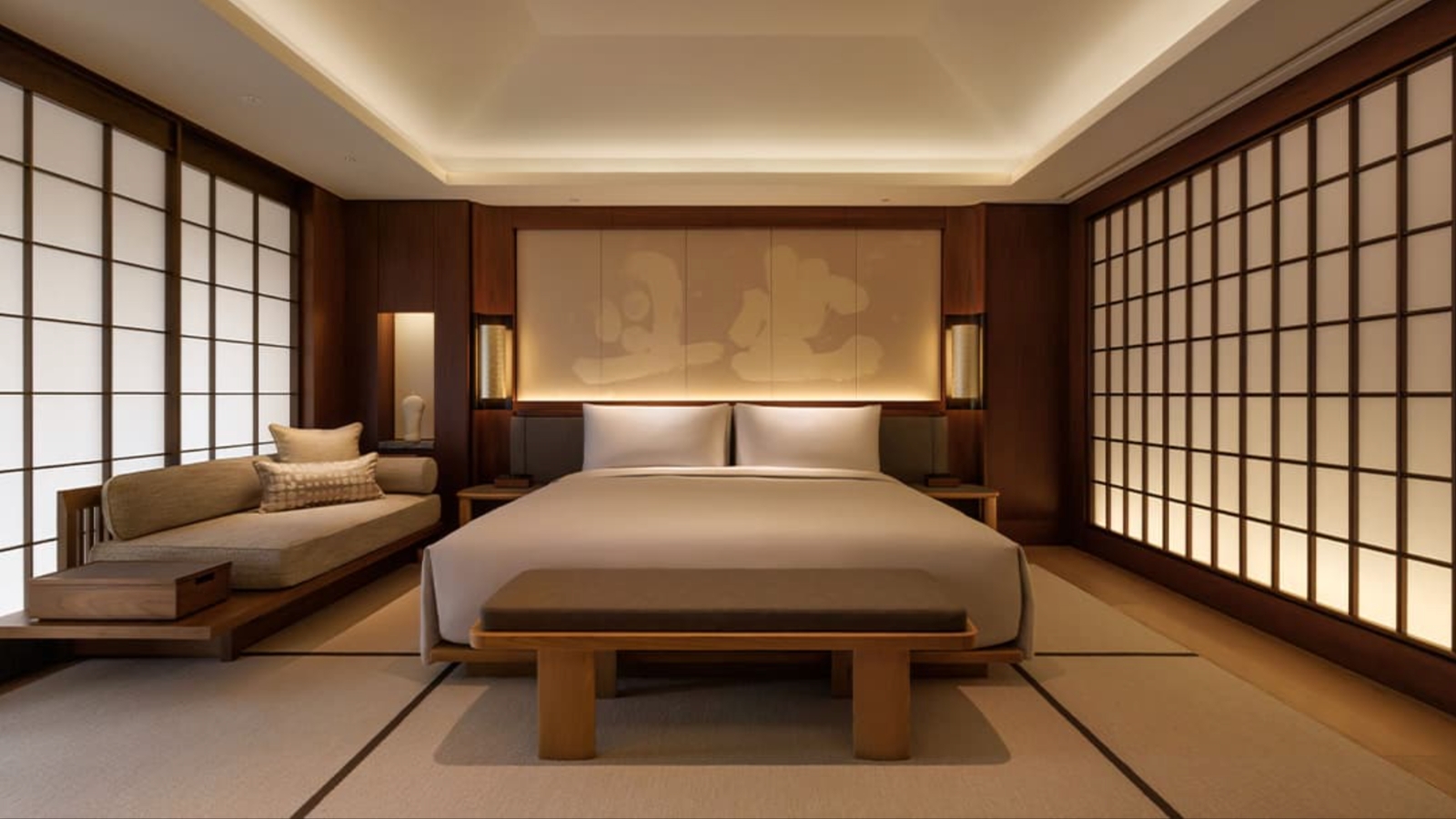
Image Courtesy: Official website
The convergence of wellness and urban hospitality
Another defining trend shaping luxury hotel openings in 2026 is the convergence of wellness and city hotels. For years, wellness tourism remained closely associated with remote resorts, private islands, and secluded retreats. Travellers escaped to coastlines, forests, and mountains in pursuit of rest and recovery, while city hotels focused primarily on convenience and location.
Those expectations are now converging. Few openings illustrate this shift better than Six Senses Milan. Located in one of Europe’s most design-conscious cities, the property signals a growing belief that wellness should not be confined to holiday destinations. Business travellers increasingly seek opportunities for recovery during work trips, while leisure travellers expect wellbeing to form part of the overall experience. Sleep quality, nutrition, fitness, mental wellbeing, and restorative spaces have become important considerations regardless of the reason for travel. Six Senses has built its reputation around these principles, and its arrival in Milan suggests that wellness is evolving from an amenity into a defining component of luxury hospitality itself.
Why iconic destinations continue to endure
The final opening on this list returns to one of luxury travel’s most enduring regions. The Mediterranean has remained remarkably resilient despite changing travel trends, and Four Seasons Mykonos is expected to become one of the region’s most significant additions in recent years. What makes the project particularly interesting is not simply the destination itself but the timing of its arrival. Luxury travellers today have more choices than ever before, with emerging destinations across the Middle East, Asia, and Africa continuing to attract attention.
Yet destinations such as Mykonos continue to thrive because travellers increasingly balance exploration with certainty. New experiences remain important, but so does the confidence that comes from returning to places that consistently deliver. Four Seasons understands this dynamic well, and its arrival on the island reflects the enduring appeal of destinations capable of combining heritage, lifestyle, and hospitality within a single experience. In an industry often focused on novelty, familiarity continues to hold considerable value.
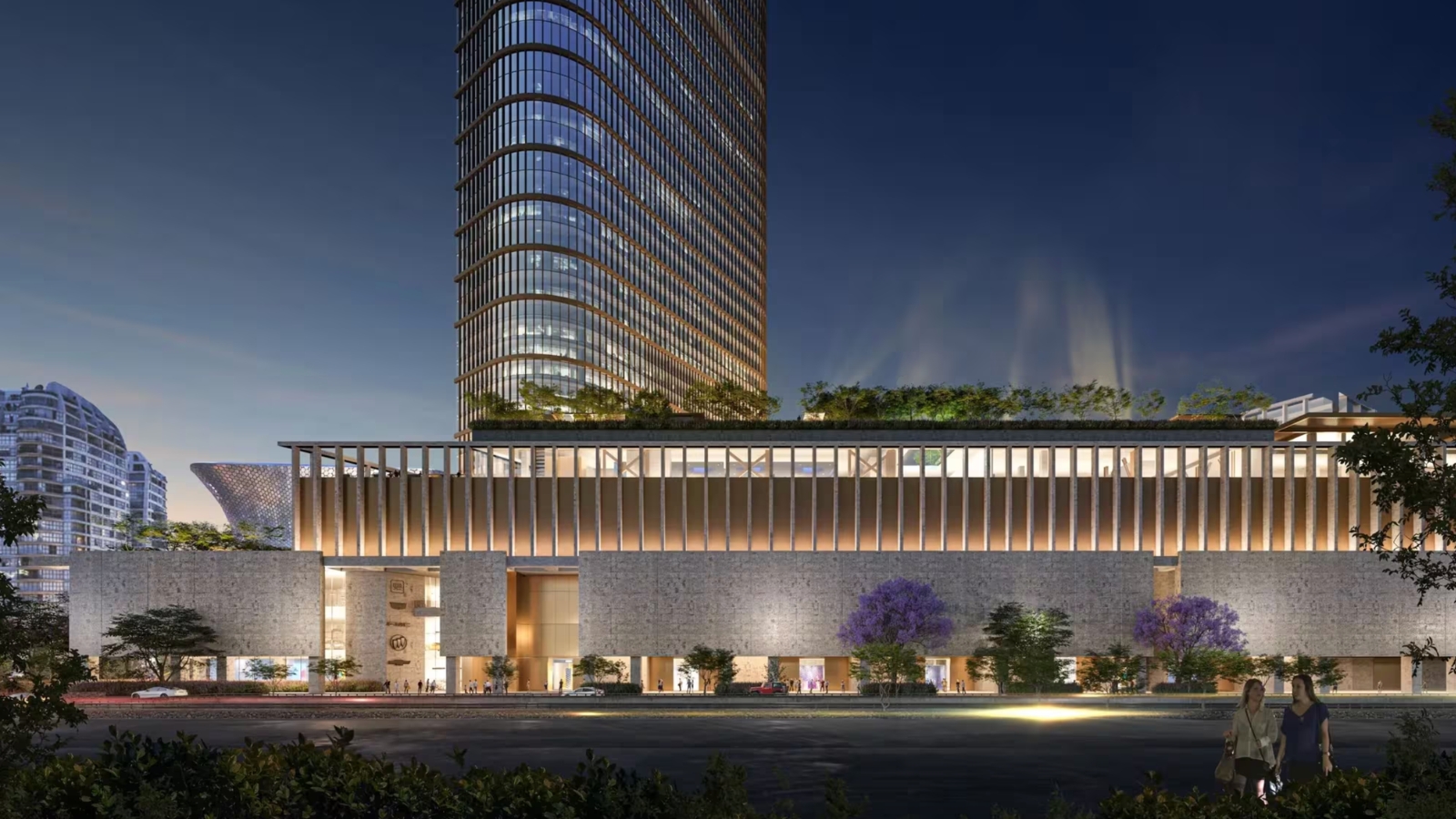
Image Courtesy: Official website
What the luxury hotel openings of 2026 reveal about the future
Viewed collectively, these openings reveal an industry in transition. The next generation of luxury hotels is becoming less focused on spectacle and more focused on identity. Properties increasingly compete through cultural relevance, architectural character, wellness integration, and meaningful connections to place rather than through scale alone. Capella Kyoto highlights the demand for immersion. Bulgari Resort Ranfushi Maldives reflects the growing influence of lifestyle brands. Rosewood Mexico City demonstrates the rise of culturally driven urban travel, while Six Senses Milan points towards the integration of wellness into everyday hospitality.
The question facing luxury hospitality is no longer how luxurious a hotel can be. The more important question is whether travellers will remember it. In an era where beautiful hotels can be found almost anywhere, memorability has become the rarest luxury of all. The most anticipated luxury hotel openings of 2026 understand exactly that. Rather than competing to offer more, they are increasingly competing to mean more, and in doing so, they offer perhaps the clearest indication yet of where hospitality is heading next.
FAQs
What are the most anticipated luxury hotel openings in 2026?
Capella Kyoto, Bulgari Resort Ranfushi Maldives, Rosewood Mexico City, Six Senses Milan, and Four Seasons Mykonos are among the year’s most anticipated openings.
Why are the luxury hotel openings in 2026 attracting attention?
They reflect changing traveller priorities, including cultural immersion, wellness, design, and stronger connections to place.
Which luxury hotel opening is most significant for wellness travellers?
Six Senses Milan stands out for bringing wellness-focused hospitality into an urban environment.
Why is Capella Kyoto generating interest?
The property reflects growing demand for culturally immersive luxury experiences rooted in local heritage and craftsmanship.
What trends are shaping luxury hospitality in 2026?
Cultural authenticity, wellness integration, lifestyle branding, architectural character, and destination-led experiences are shaping the industry’s future.