Luxury travellers increasingly seek meaningful connections rather than standardised experiences. Nilesh Singh explains why experiential travel is redefining hospitality and transforming the role of the modern hotel.
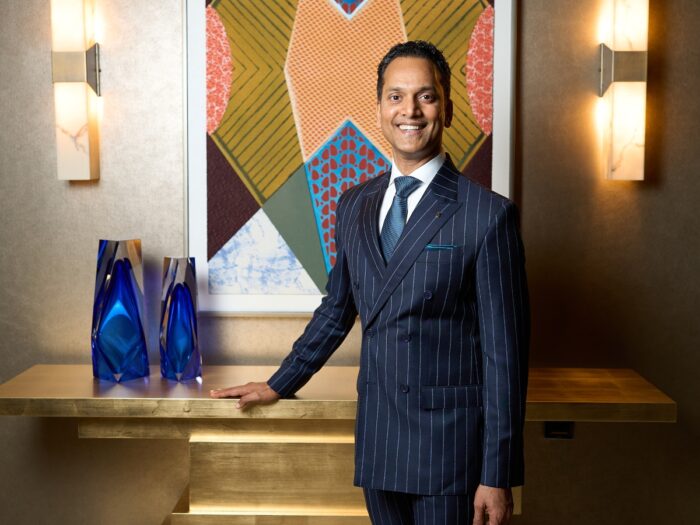
By Nilesh Singh, Cluster General Manager, The Ritz-Carlton Baku & JW Marriott Absheron Baku
Luxury travel is evolving. Comfort, quality, and exceptional service remain essential, but they no longer define the travel experience on their own. Today’s guests want something more personal. They seek authentic connections, meaningful interactions, and experiences that help them understand a destination beyond its most visible attractions.
This shift has accelerated the rise of experiential travel, which places greater emphasis on emotional connection than on traditional luxury markers. Travellers increasingly value experiences that feel genuine, memorable, and rooted in local culture. As a result, hospitality brands are rethinking how they engage with guests and how they create moments that leave a lasting impression.
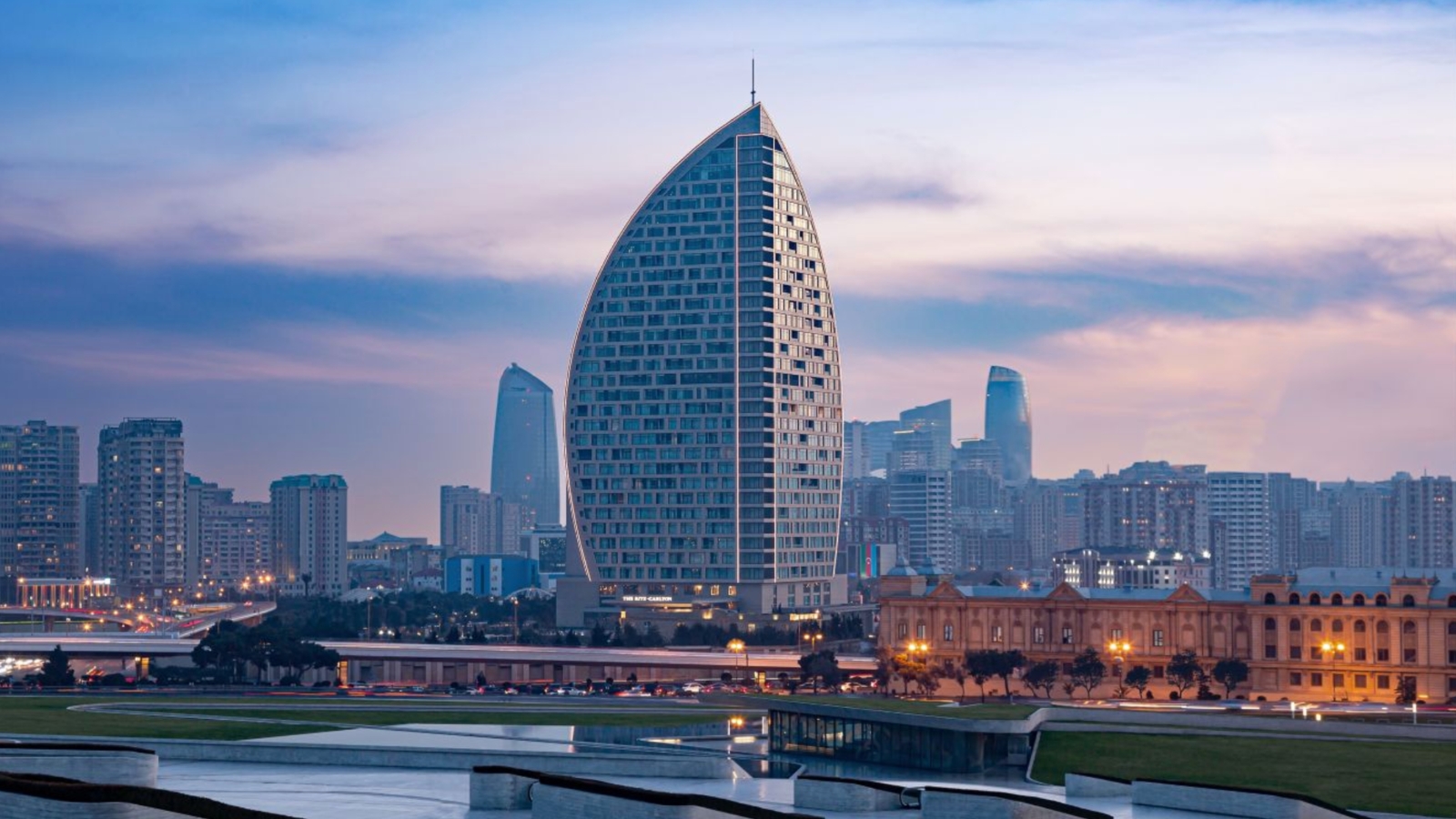
Image Courtesy: Official website
Why experiential travel matters more than ever
Experiential travel is often associated with curated activities, cultural excursions, and immersive itineraries. While these elements remain important, the most memorable experiences rarely depend on a packed schedule. Instead, they emerge through meaningful moments that feel natural and personal.
A thoughtful recommendation from a concierge, an unexpected local discovery, or a conversation that feels genuine rather than scripted can leave a stronger impression than any organised activity. These interactions help travellers build a deeper connection with a destination and often become the memories they carry home.
As travellers become more experienced and globally connected, they increasingly prioritise authenticity over novelty. They want to understand how a place lives, works, and evolves rather than simply visit its landmarks.
How Baku reflects the rise of experiential travel
Baku provides a compelling example of how traveller expectations are changing.
Visitors arrive with genuine curiosity and a desire to understand the city’s unique identity. They want to explore the stories behind its architecture, traditions, and contemporary culture. Events such as the Azerbaijan Carpet Festival showcase generations of craftsmanship and cultural heritage, while attractions such as Icherisheher, the historic Old City, reveal centuries of history woven into the urban landscape.
At the same time, contemporary landmarks such as the Heydar Aliyev Centre and an expanding calendar of international events highlight Baku’s modern ambitions. Together, these experiences create a destination that balances history and innovation, giving travellers multiple ways to engage with the city beyond traditional sightseeing.
This combination of cultural depth and contemporary energy aligns closely with the expectations of today’s experiential traveller.
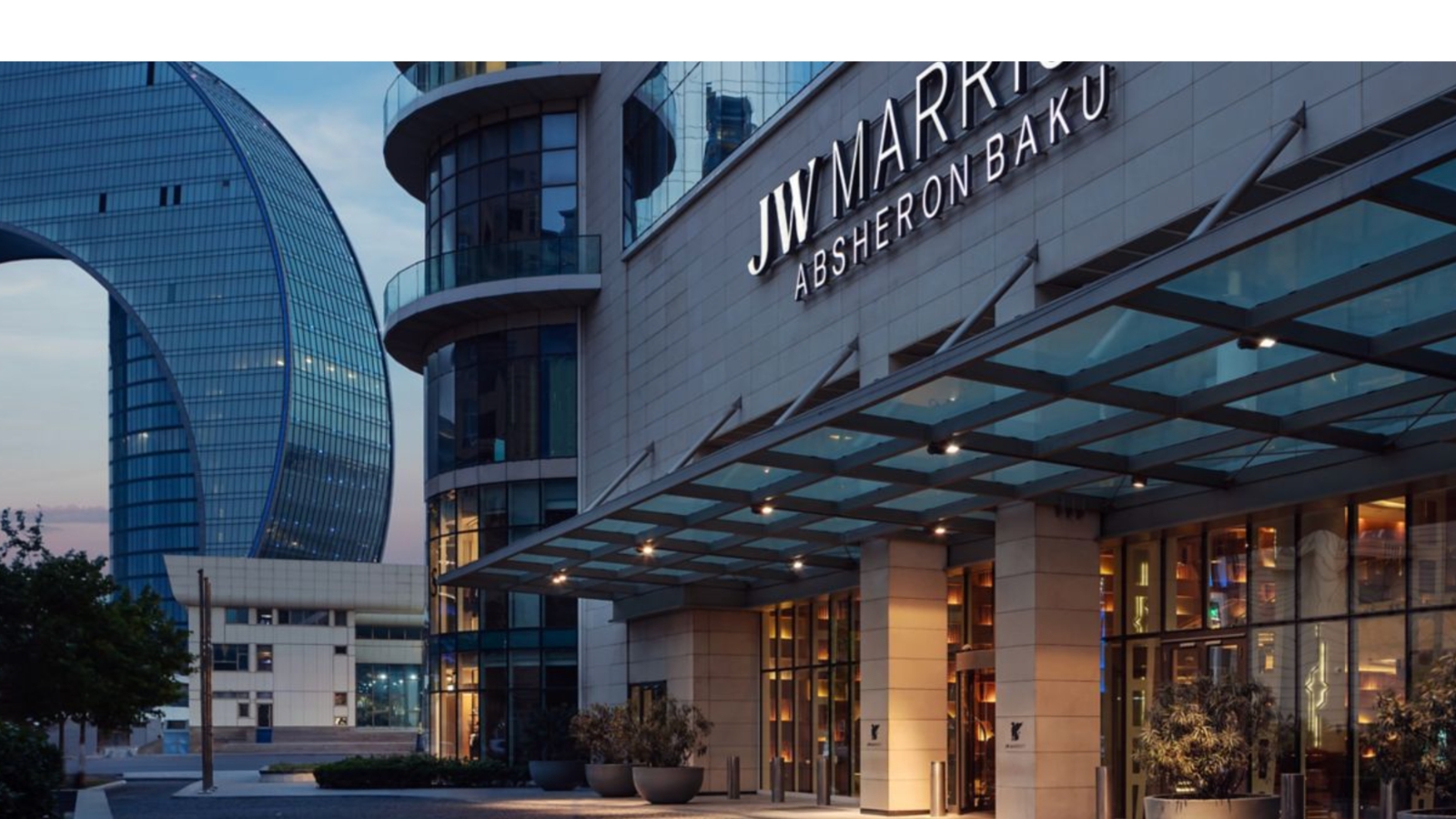
Image Courtesy: Official website
The evolving role of luxury hospitality
As experiential travel continues to grow, hotels are taking on a broader role within the guest journey.
Luxury hospitality can no longer focus solely on accommodation. Guests increasingly look to hotels as guides, connectors, and curators of local experiences. They expect hospitality teams to help them discover the character of a destination in ways that feel personal and relevant.
At JW Marriott Absheron Baku, we focus on creating a warm, uplifting environment where guests feel genuinely welcomed and supported throughout their stay. Thoughtful service, attention to wellbeing, and meaningful interactions help create a sense of comfort that extends beyond the physical property.
At The Ritz-Carlton, Baku, we approach hospitality through a different lens while pursuing the same objective. Personalisation, anticipation, and legendary service standards allow us to co-create experiences that reflect each guest’s individual interests and expectations. The goal is not simply to provide service but to build meaningful connections that continue long after departure.
Why personalisation is becoming the new luxury
Perhaps the most significant change in hospitality is the growing importance of personalisation.
Travellers increasingly expect experiences that reflect their interests, preferences, and travel goals. Delivering that level of personalisation requires more than technology or guest data. It demands emotional intelligence, local knowledge, and a genuine understanding of people.
Hospitality teams must understand the destination as deeply as they understand service itself. They need to recognise opportunities, anticipate needs, and create moments that feel effortless rather than orchestrated.
When done well, personalisation transforms a stay from a transaction into a relationship. It allows guests to experience a destination in a way that feels uniquely their own.
The future of experiential travel
Experiential travel is no longer an emerging trend. It is becoming the foundation of modern luxury hospitality.
Travellers may appreciate beautiful rooms, impressive facilities, and exceptional amenities, but the experiences they remember most often involve people, places, and emotions. They remember how a destination made them feel, the connections they formed, and the stories they encountered along the way.
That reality is reshaping the role of hotels around the world. We are no longer simply providing places to stay. We are helping travellers understand destinations, engage with local culture, and create memories that extend far beyond a single journey.
The future of luxury hospitality belongs to properties that recognise this shift. In an increasingly competitive market, true luxury is no longer defined by excess. It is defined by meaningful experiences, authentic connections, and a lasting sense of place.