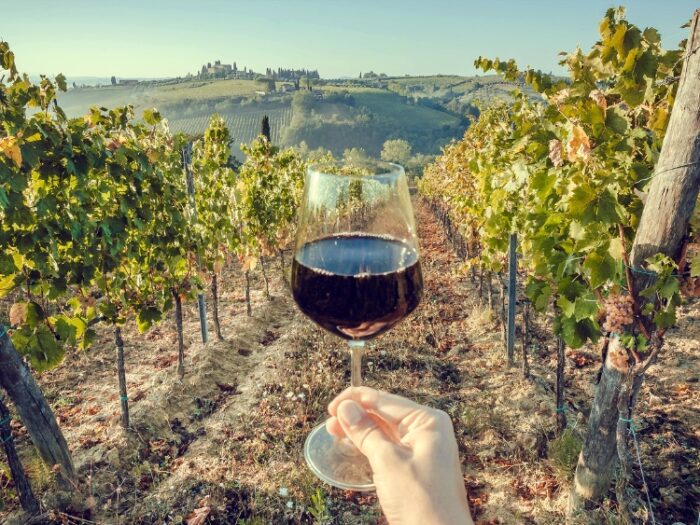
Across the world, travellers are discovering new wine tourism destinations in places that would have seemed improbable a generation ago. English sparkling wine is attracting international attention, Tasmania has emerged as a destination for cool-climate winemaking, and Argentina’s high-altitude vineyards continue to draw enthusiasts from across the globe. Meanwhile, regions in India, South Africa, and New Zealand are developing increasingly sophisticated wine tourism offerings.
Yet for all the excitement surrounding emerging destinations, a curious pattern remains. Many of the world’s most committed wine travellers still find themselves planning journeys through Bordeaux, Tuscany, Burgundy, Champagne, and the Douro Valley. These regions have welcomed visitors for decades. Their reputations are firmly established, their wines are available around the world, and their stories are already well known. By conventional travel logic, they should have become predictable.
Instead, they continue to define the category. The reason has surprisingly little to do with prestige alone. While reputation undoubtedly plays a role, the world’s most enduring wine regions have succeeded because they offer something that remains difficult to replicate, even as wine tourism expands into new corners of the world: a complete sense of place.
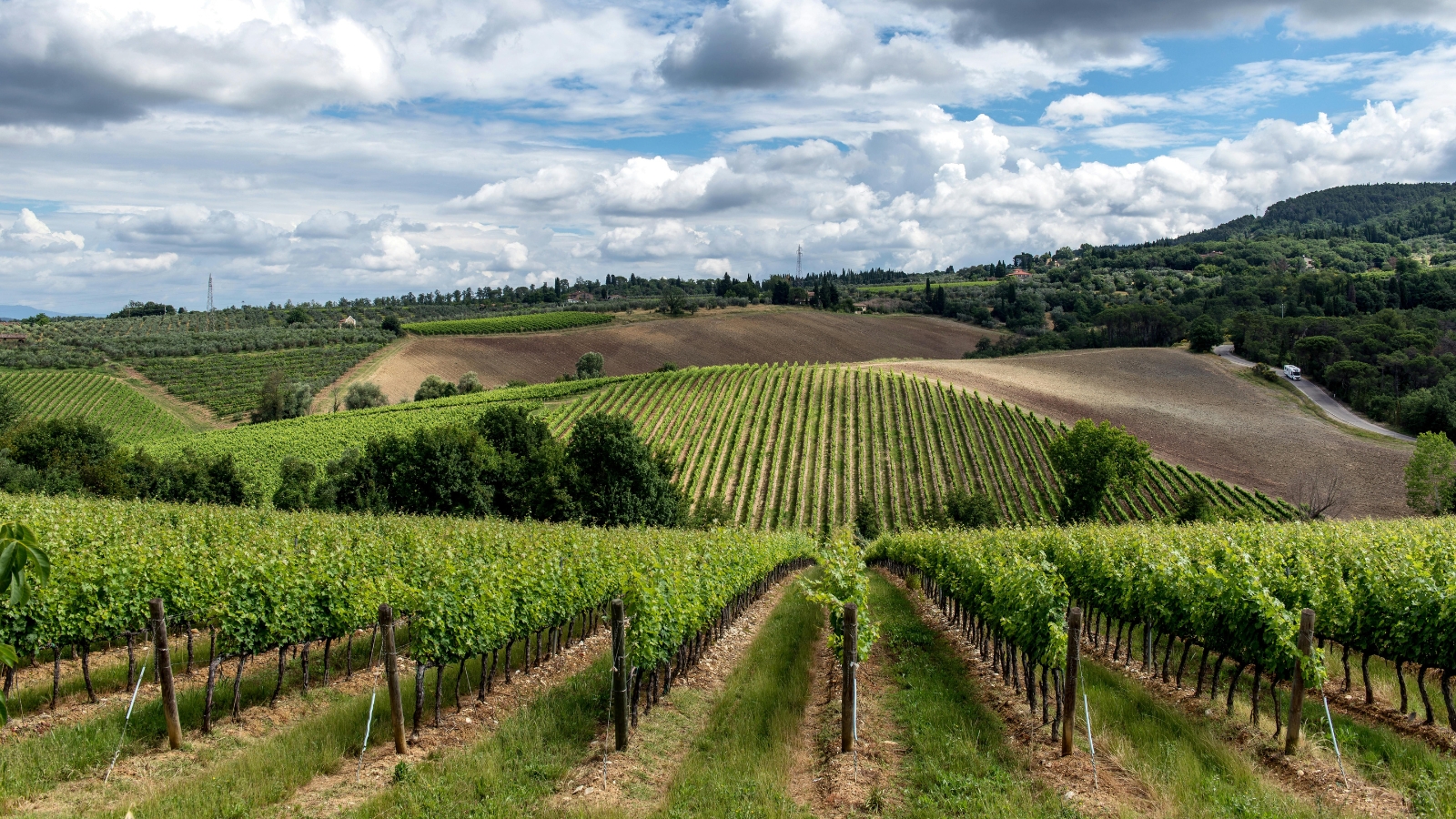
Image Courtesy: Pexels
What defines the best wine tourism destinations
Increasingly, travellers are seeking more than exceptional bottles. They want to understand how geography, history, culture, food, and local traditions shape what ends up in the glass. The strongest wine destinations satisfy that curiosity by offering wine as part of a broader story rather than as an attraction in isolation. This distinction helps explain why the world’s most successful wine tourism destinations continue to thrive. Great wines can emerge almost anywhere. Modern viticulture, improved technology, and global expertise have raised standards across the industry. What takes considerably longer to develop is the ecosystem surrounding the wine itself. The most enduring wine tourism destinations tend to offer a complete experience. Architecture, hospitality, gastronomy, agriculture, and local identity all reinforce one another, allowing visitors to understand not only how wine is made, but also why it developed there in the first place. Few destinations demonstrate this more clearly than Bordeaux.
Bordeaux and the weight of history
For many travellers, Bordeaux represents the starting point of serious wine exploration. The region’s names are woven into the language of fine wine itself: Margaux, Pauillac, Saint-Émilion, Pomerol, and Sauternes. Yet first-time visitors are often surprised by how approachable the region feels despite its formidable reputation. The experience begins long before the tasting room. Roads wind through some of the world’s most recognisable vineyard landscapes, connecting estates whose histories intersect with commerce, politics, and European culture. The great châteaux function almost as living institutions, preserving traditions that stretch back centuries while simultaneously investing in contemporary architecture, sustainability initiatives, and increasingly sophisticated visitor experiences. What distinguishes Bordeaux is the sheer scale of that history. Few wine regions demonstrate the relationship between wine, trade, and cultural influence so clearly. Generations of producers, merchants, and families have shaped the landscape, while Bordeaux’s classification systems and production methods continue to influence wine regions far beyond France. As a result, a tasting at Château Margaux or Château Smith Haut Lafitte rarely feels like an isolated experience. Instead, it feels connected to a much larger narrative that continues to shape the global wine industry today.
Tuscany and the art of living well
If Bordeaux feels structured and grand, Tuscany feels deeply personal. Its appeal begins with the landscape itself. Rolling hills, cypress-lined roads, olive groves, stone farmhouses, and medieval villages have become visual shorthand for the Italian countryside. Yet scenery alone does not explain why the region continues to attract travellers from around the world.
What sets Tuscany apart is the extent to which wine remains embedded in everyday life. Across Chianti Classico, Montalcino, and Montepulciano, visitors quickly discover that wine cannot easily be separated from food, agriculture, family, or community. A vineyard visit often flows naturally into a long lunch, a conversation with a producer, or an afternoon spent wandering through a nearby village. Rather than presenting wine as a luxury product removed from daily life, Tuscany places it within a broader cultural context. Visitors experience wine not only through tastings, but through meals, local traditions, and relationships that have developed across generations. That connection helps explain why Tuscany remains one of the world’s most emotionally resonant wine tourism destinations. Travellers rarely return home speaking only about Brunello di Montalcino or Chianti Classico. More often, they remember a meal that lasted three hours, a family-run estate overlooking the hills, or a conversation that revealed something about the region itself.
Burgundy and the pursuit of understanding
Further north, Burgundy offers an entirely different proposition. The region lacks the architectural grandeur of Bordeaux and the cinematic landscapes of Tuscany. Its appeal lies elsewhere. Burgundy rewards attention, patience, and curiosity in a way few wine destinations can match.
At first glance, the vineyards appear modest, almost understated. Yet these seemingly unremarkable parcels produce some of the most sought-after wines in the world. Understanding why quickly becomes part of the experience. In Burgundy, discussions often centre on soils, exposure, elevation, and history. Distances measured in metres can influence style, quality, and reputation. A traveller who arrives expecting luxury often leaves with a deeper appreciation for complexity. This intellectual dimension has long attracted enthusiasts eager to understand why place matters so profoundly in winemaking. Burgundy does not reveal itself immediately. Instead, it rewards repeated visits and sustained attention, making it one of the most compelling destinations for travellers who seek knowledge alongside pleasure.
Image Courtesy: Canva Pro
Champagne beyond the celebration
Few wine regions possess a stronger global identity than Champagne. For many travellers, the name immediately evokes celebration, luxury, and milestone moments. Yet one of the region’s greatest strengths lies in its ability to challenge those assumptions. Beneath the glamour sits an extraordinary agricultural and production ecosystem shaped by vineyards, villages, growers, chalk cellars, and generations of expertise. The further visitors move beyond the image of Champagne, the more fascinating the region becomes.
Tours through the underground cellars of houses such as Bollinger, Taittinger, and Ruinart offer a reminder that every bottle begins with an astonishing degree of precision and patience. Visitors often arrive expecting luxury and leave with a renewed appreciation for craftsmanship. In that respect, Champagne succeeds because it combines aspiration with substance. It delivers the sense of occasion for which it is famous while simultaneously offering a deeper understanding of the work required to create it.
The Douro’s enduring sense of discovery
The Douro Valley completes the picture. Carved by the Douro River, the landscape feels almost theatrical in scale. Terraced vineyards climb steep hillsides, creating one of the most dramatic wine-growing regions in the world. Historically associated with Port wine, the valley has expanded significantly in recent decades, attracting travellers through luxury river cruises, boutique hotels, destination restaurants, and a growing reputation for still wines. Yet what continues to distinguish the Douro is its sense of discovery.
Despite its international prestige, the region retains a connection to the landscape that many travellers find increasingly rare. Development has undoubtedly brought greater visibility, but it has not erased the character that made the valley compelling in the first place. Visitors often leave with the impression that they have encountered a place rather than a product. That distinction matters. In an era when many destinations compete for attention through increasingly polished experiences, authenticity has become one of tourism’s most valuable assets.
Why the classics still matter
Taken together, these regions reveal something important about wine tourism. Travellers are not simply searching for great bottles. They are searching for context. The most memorable wine journeys combine hospitality, gastronomy, architecture, history, culture, and landscape into a single experience. Wine becomes the thread connecting these elements rather than the sole attraction.
This helps explain why classic wine regions continue to thrive despite growing competition from newer destinations. Emerging wine tourism destinations may offer excellent wines, innovative producers, and exciting discoveries. What takes longer to develop is the broader ecosystem that transforms a wine-producing area into a genuine travel destination.
Bordeaux, Tuscany, Burgundy, Champagne, and the Douro have spent centuries building that foundation. As a result, a journey through these regions feels larger than wine itself. It becomes a way of understanding a place through the people who cultivate it, the food that accompanies it, and the traditions that continue to shape it. The world’s wine map will continue to expand, and travellers will undoubtedly continue to discover exciting new wine tourism destinations. Yet the classics endure because they offer something timeless: the opportunity to experience wine exactly where its story begins.
FAQs
What is wine tourism?
Wine tourism combines vineyard visits, wine tastings, gastronomy, local culture, and hospitality experiences within wine-producing regions.
Which country is best for wine tourism?
France, Italy, Portugal, Spain, Argentina, and South Africa are among the most popular destinations, although the best choice depends on personal interests and travel style.
Are wine tours suitable for beginners?
Yes. Many wine regions offer experiences designed for visitors with little prior knowledge, making them accessible to both enthusiasts and first-time travellers.
When is the best time to visit wine regions?
Late spring, summer, and harvest season are generally the most popular periods, although timing varies by destination and climate.
How has wine tourism evolved?
Wine tourism has expanded beyond cellar-door tastings to include luxury hotels, destination dining, wellness experiences, cultural attractions, and immersive vineyard stays.