For decades, airline loyalty programmes were relatively straightforward: fly often, earn miles, enjoy upgrades. But in today’s hyper-competitive aviation landscape, loyalty has evolved into an entire financial ecosystem, one where status can matter as much as the destination itself.
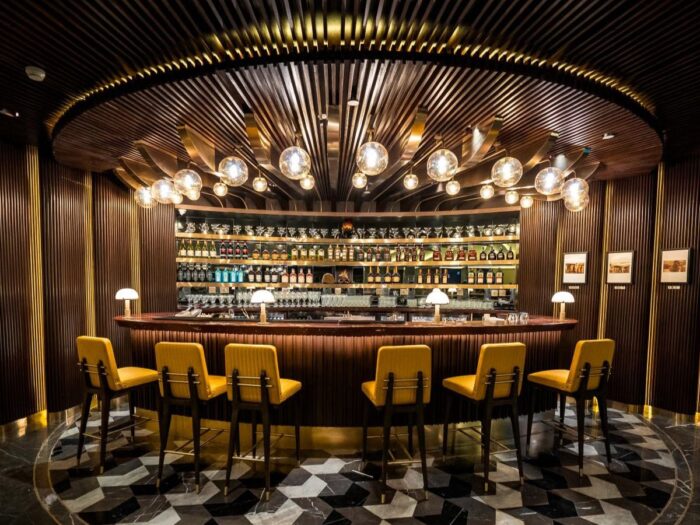
To the uninitiated, airline loyaltyprogrammes can appear unnecessarily complex, filled with tiers, alliance benefits, rollover points, and confusing redemption charts. Yet for seasoned travellers, these programmes quietly unlock some of the most rewarding privileges in modern travel: priority airport access, lounge entry, complimentary upgrades, chauffeur transfers, bonus baggage allowances, and even entirely free long-haul flights.
At their core, loyalty programmes are designed to reward repeat business. Every time a traveller flies with an airline or its partners, they accumulate points or miles tied either to distance travelled, ticket value, or cabin class. Over time, these miles can be redeemed for flights, upgrades, hotel stays, shopping, or exclusive experiences.
Status: The Currency of Travel Convenience
Most major airlines operate tiered programmes that reward consistency rather than occasional splurges. Entry-level memberships offer basic mileage accrual, while elite tiers introduce increasingly luxurious benefits. programmes such as Emirates Skywards, Singapore Airlines KrisFlyer, and Air India Maharaja Club all function within this hierarchy, encouraging travellers to consolidate their flying habits within a single airline ecosystem.
For frequent business travellers, elite status fundamentally reshapes the airport experience. Dedicated check-in counters, fast-track immigration, priority boarding, lounge access, and preferential baggage handling dramatically reduce travel friction. During disruptions, particularly delays or cancellations, elite members also tend to receive priority rebooking, an underrated advantage seasoned flyers value immensely.
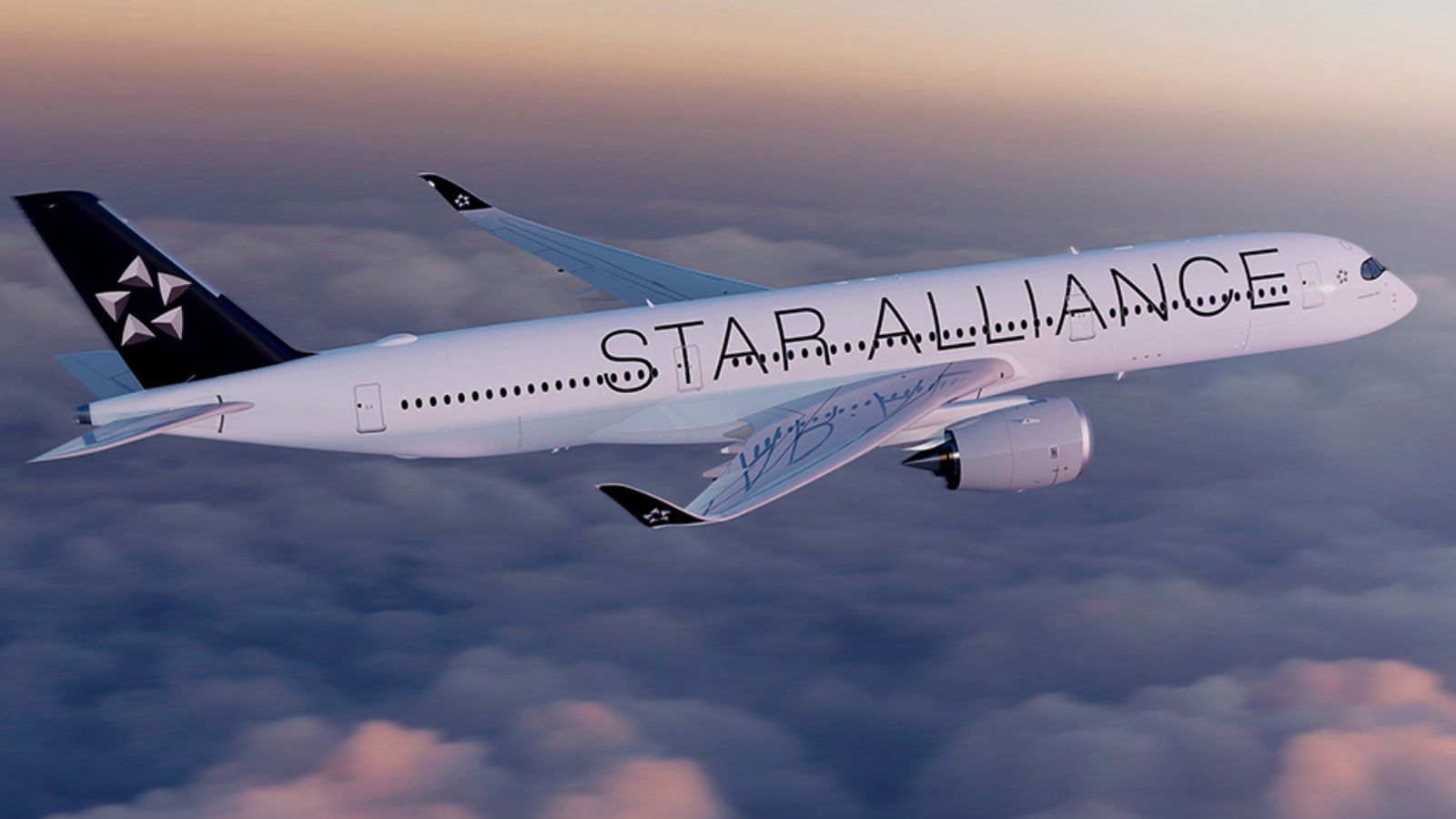
Photo Courtesy: Star Alliance
The Power of Global Alliances
The alliances behind these programmes matter just as much as the airlines themselves. Three dominant global alliances, Star Alliance, oneworld, and SkyTeam, allow travellers to earn and redeem miles across dozens of partner carriers worldwide. This means a passenger loyal to one airline can often enjoy elite privileges on entirely different carriers across continents.
For example, a traveller holding Star Alliance Gold through Singapore Airlines may access premium lounges even while flying with Lufthansa or ANA. In practical terms, loyalty programmes no longer reward only where you fly, they reward the ecosystem you belong to.
Credit cards have also transformed the loyalty landscape. Increasingly, travellers earn more miles through spending than actual flying. Premium travel cards now partner directly with airlines, hotels, and banking platforms, allowing points accumulation through dining, luxury retail, and everyday transactions. In India particularly, travel-focused cards have fuelled growing interest in airline ecosystems among younger affluent travellers who may not yet fly frequently enough to organically achieve elite status.
Photo Courtesy: Unsplash
Maximizing the Value of our Miles
One of the most misunderstood aspects of loyalty programmes is redemption value. A million miles may sound glamorous, but poorly redeemed points can offer surprisingly low returns. Experienced travellers understand that premium cabin redemptions, particularly long-haul business or first-class flights, often extract the highest value per mile. Using miles for economy tickets, merchandise, or shopping portals generally delivers weaker returns.
Timing also plays a strategic role. Airlines increasingly use dynamic pricing for reward seats, meaning redemption costs fluctuate based on demand. During peak holiday seasons, premium redemptions can become disproportionately expensive. Savvy travellers monitor award calendars carefully, often booking months in advance to secure high-value seats.
Photo Courtesy: Air India
The Future of Loyalty
Historically, miles were earned primarily based on distance travelled. Today, many airlines prioritise revenue instead, rewarding passengers based on ticket spend rather than mileage alone. This shift favours premium travellers purchasing expensive fares while making elite status harder to achieve through budget flying strategies.
At the same time, airlines have quietly recognised that loyalty programmes themselves are now billion-dollar businesses. In many cases, the programmes generate enormous revenue independently through partnerships with banks, hotels, and retailers. Frequent flyer miles have effectively become a global travel currency, one powerful enough to influence consumer spending far beyond aviation.

Photo Courtesy: Unsplash
Beyond the tarmac
Luxury hospitality brands have also integrated deeply into this ecosystem. Hotel groups, chauffeur services, luxury retailers, and lifestyle brands increasingly collaborate with airlines, allowing travellers to earn points across multiple touchpoints. A single business trip can now generate miles through flights, hotel stays, dining reservations, and credit card transactions simultaneously.
Still, the emotional psychology behind loyalty remains perhaps the industry’s greatest achievement. Elite status creates familiarity within an otherwise chaotic travel experience. The preferred seat already selected. The lounge staff recognising returning guests. The reassurance of priority support during disruption. For frequent travellers navigating relentless schedules and global movement, these details become less about indulgence and more about consistency.
And consistency, in modern travel, has become its own form of luxury. Of course, loyalty only works when approached strategically. Chasing too many programmes simultaneously often dilutes rewards. Most seasoned travellers instead focus on one primary alliance and a carefully selected set of partners, allowing points and status to accumulate meaningfully over time.
Because ultimately, airline loyalty programmes are no longer just marketing tools. They are sophisticated ecosystems built around traveller behaviour, aspiration, and identity. And for those who understand how to navigate them well, they transform ordinary journeys into experiences layered with comfort, access, and privilege far beyond the boarding gate.