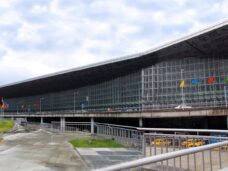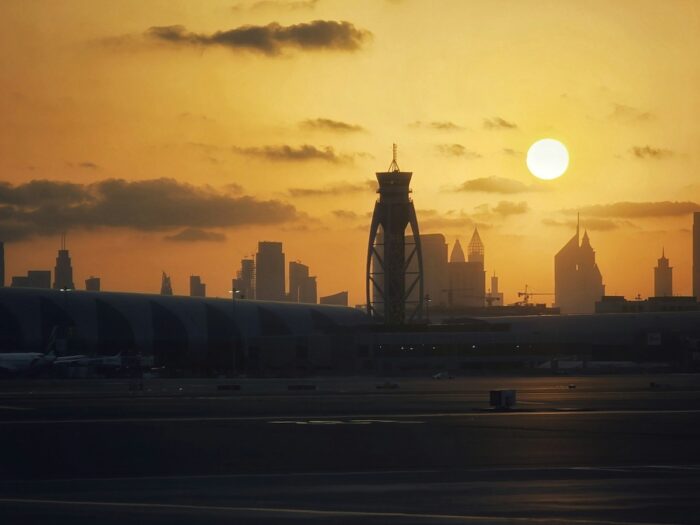
Flight disruptions have resumed in Dubai this week due to renewed US-Iran tensions affecting West Asia’s aviation network. Dubai International Airport remains open but reported 257 delays and 21 cancellations over the weekend as regional fighting intensified.
Airlines are responding with caution. Emirates, the largest carrier at DXB, is operating about 96 per cent of its usual routes, though some remain suspended. Passengers connecting through Dubai should confirm their flight status with their airline before travelling to the airport.
A Fragile Recovery Interrupted
This disruption follows a period of recovery for the region. By 1 July, DXB had largely resumed normal operations after four challenging months caused by the initial US-Iran conflict in late February. The recovery gained momentum after a tentative ceasefire in April, leading to several airline reinstatements in May and June.
This week’s escalation has challenged that progress. Two flights between Dubai and Saudi Arabia were cancelled after Houthi forces targeted Abha International Airport with missiles, as were the return flights to Dubai and Sharjah. Despite this, Monday’s disruption remained limited: FlightAware data showed only 1 per cent of DXB flights cancelled and 12 per cent delayed, rates similar to other major airports worldwide.
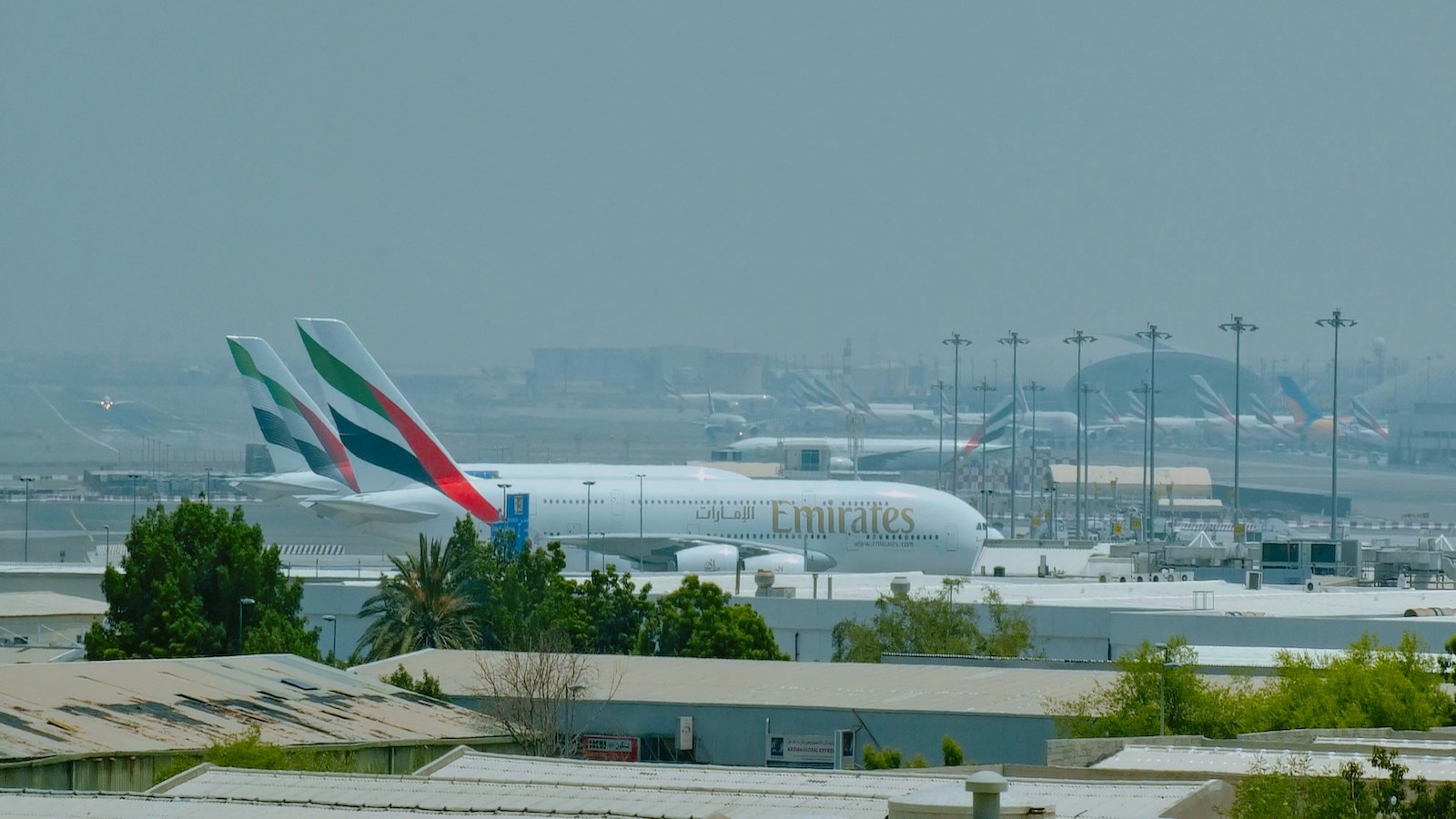
Photo Courtesy: Unsplash
Why Cancellations Have Stayed Limited
Aviation analysts note that recent strikes have mainly targeted military sites, not civilian areas. According to the UAE’s National Emergency Crisis and Disaster Management Authority, air-defence interceptions have occurred outside commercial flight paths. As a result, most scheduled flights have continued with minimal disruption.
John Strickland, founder of JLS Consulting, stated that airlines will not resume routes without safety assurances from authorities. This caution explains why several major international carriers, including British Airways and KLM, have not fully resumed Gulf services months after suspending them.
Travel Advisories Remain in Place
The US State Department maintains a Level 3 “Reconsider Travel” advisory for the UAE, a status in place since March. Australia’s Smartraveller service also continues to advise caution for travel to the country.
The timing adds pressure on the region’s aviation sector. The timing increases pressure on the region’s aviation sector. July is one of the busiest travel periods in West Asia, with Dubai Airports projecting over 200,000 daily passengers through DXB in early July. Gulf carriers, including Emirates, Etihad, and Qatar Airways, have not commented publicly on the latest disruption. dubaiairports.ae