
Sustainability is no longer a niche consideration. Sammy Carolus explains how changing traveller expectations, ESG priorities, and regenerative tourism are redefining luxury travel.
By Sammy Carolus, General Manager, Hyatt Regency Bangkok Sukhumvit
Luxury hospitality is entering a new era. For decades, the industry measured success through scale, exclusivity, and increasingly elaborate experiences. Larger resorts, grander architecture, and extensive amenities became the defining symbols of premium travel. Today, traveller priorities look very different. Guests pay closer attention to how hotels source food, manage resources, support local communities, and reduce their environmental impact. At the same time, businesses face growing Environmental, Social, and Governance (ESG) obligations, prompting them to evaluate the sustainability of everything from executive retreats to international conferences.
As a result, the most important sustainable travel trends of 2026 no longer sit within marketing departments. They now influence operational decisions across the hospitality industry. Sustainability shapes investment strategies, guest expectations, development plans, and long-term business goals. Increasingly, it also shapes how travellers define luxury itself.
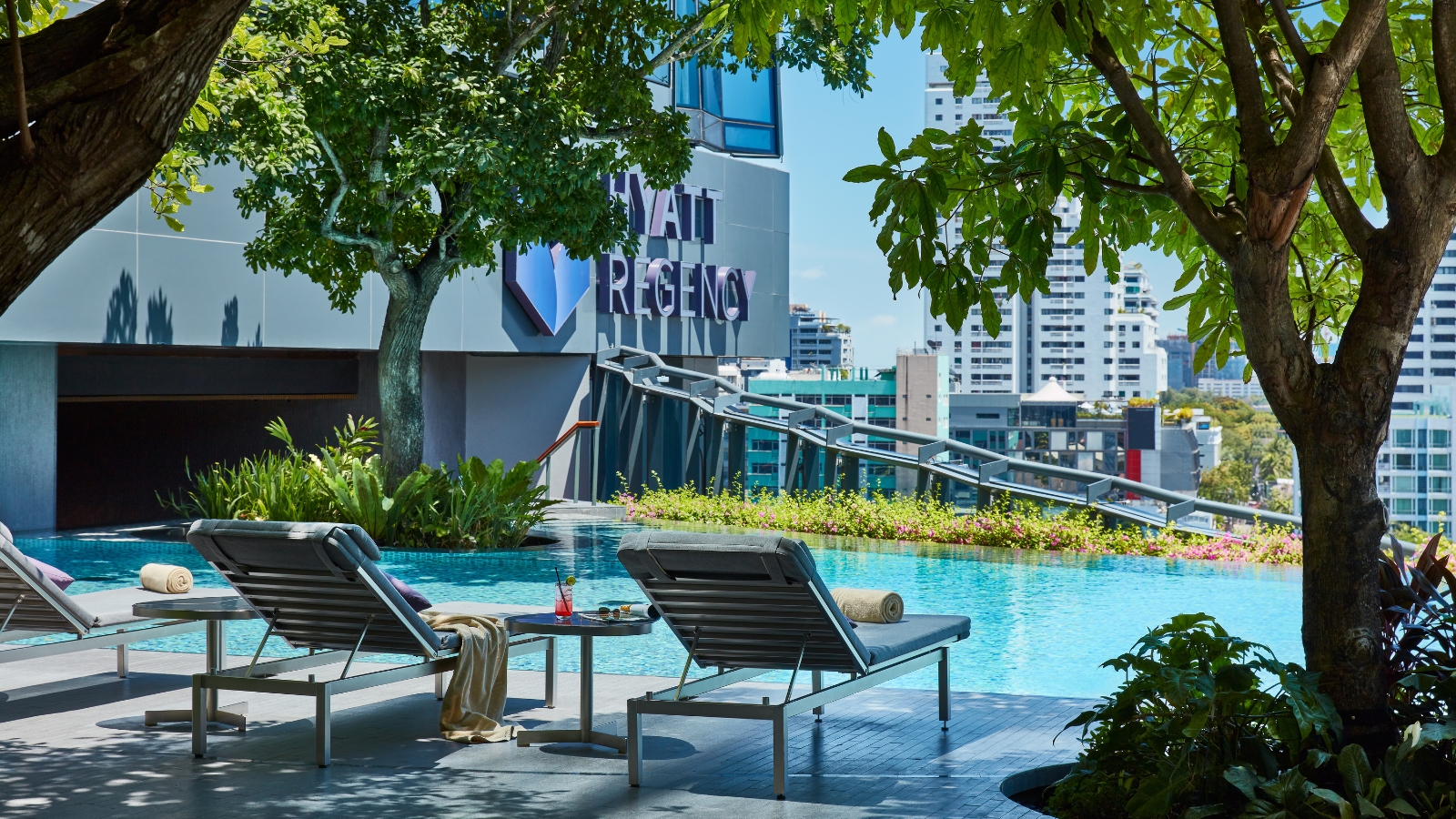
Image Courtesy: Official website
Why sustainable tourism has become a business priority
Sustainable tourism seeks to reduce the environmental, economic, and social pressures created by travel while protecting destinations for future generations. Historically, high-volume tourism has placed significant strain on local infrastructure, increased resource consumption, and disrupted ecosystems and cultural heritage sites. As travel continues to grow, destinations can no longer afford to separate tourism development from environmental responsibility.
Hospitality businesses are responding by adopting practices that reduce waste, lower emissions, conserve resources, and strengthen local partnerships. This shift has become particularly important within corporate travel. Organisations increasingly assess the environmental impact of meetings, conferences, and incentive programmes, making sustainability an important consideration when selecting hotels and destinations. For both leisure and business travellers, sustainability has moved from a secondary consideration to an important part of the decision-making process.
Why travellers are choosing eco-friendly hotels
Modern travellers are more informed than ever. They expect transparency, measurable commitments, and meaningful action rather than broad sustainability claims. As awareness grows, travellers are becoming increasingly adept at identifying greenwashing and distinguishing genuine environmental initiatives from marketing campaigns.
For business travellers, certified sustainable properties often align with broader corporate ESG objectives and support Scope 3 emissions reporting. Leisure travellers frequently associate sustainability with wellness, authenticity, and a stronger connection to place. Hotels that embrace responsible sourcing, local partnerships, environmental stewardship, and thoughtful design often create richer and more memorable guest experiences. Overtourism has also influenced traveller behaviour, encouraging many guests to seek destinations and properties that prioritise conservation, manage visitor numbers responsibly, and foster meaningful relationships with local communities.
Carbon neutrality and net-zero hospitality
Among the most significant sustainable travel trends for 2026 is the hospitality industry’s growing commitment to carbon neutrality.
Hotels around the world are investing in renewable energy systems, adopting solar and geothermal technologies, and redesigning operations to reduce waste, lower energy consumption, and improve water management. Many properties are also participating in verified carbon offset programmes as part of broader net-zero strategies.
While guests may not always see these initiatives directly, they increasingly influence how hospitality businesses operate and how investors, corporate clients, and travellers evaluate properties. Carbon management is no longer simply an environmental objective. It has become a business imperative.
How biophilic design is shaping hospitality
Biophilic design continues to influence hotel architecture and guest experience across the luxury hospitality sector.
The concept focuses on strengthening the connection between people and nature through natural light, greenery, water features, organic materials, and layouts that encourage interaction with outdoor environments. Many properties also incorporate design elements inspired by natural forms, textures, and landscapes.
The benefits extend beyond aesthetics. Biophilic environments can improve guest wellbeing, encourage relaxation, and create a stronger sense of place. As wellness and sustainability become increasingly interconnected, biophilic design is emerging as a defining characteristic of modern hospitality.
The rise of circular and zero-plastic hospitality
Hotels are also rethinking how resources move through their operations.
Across the industry, properties are replacing single-use plastics with reusable, biodegradable, and compostable alternatives. At the same time, many hospitality businesses are embracing circular economy principles that prioritise reuse, responsible sourcing, repair, and waste reduction.
Circular hospitality extends the life cycle of materials, reduces waste generation, and improves resource efficiency across daily operations. These practices not only support sustainability goals but also help businesses operate more efficiently. As traveller expectations continue to evolve, circular and zero-plastic initiatives are becoming increasingly common across both luxury and mainstream hospitality sectors.
Regenerative travel moves beyond sustainability
One of the most influential sustainable travel trends in 2026 is the continued growth of regenerative travel.
While sustainable tourism focuses on reducing harm, regenerative travel aims to create a positive impact. Travellers actively contribute to environmental restoration, cultural preservation, and community development through the experiences they choose. Rather than simply minimising their footprint, they look for opportunities to leave destinations stronger than they found them.
This may include supporting conservation projects, participating in local cultural initiatives, or staying at properties that invest directly in environmental and social programmes. As awareness grows, travellers increasingly want to know that their presence contributes to the long-term wellbeing of a destination.
Why eco-certifications matter
As sustainability becomes a more important purchasing factor, independent certification programmes are playing a larger role in building trust.
Certification bodies verify that hotels, tourism operators, and travel experiences meet recognised environmental and sustainability standards. These programmes help travellers distinguish genuine commitments from marketing claims while encouraging greater transparency across the industry.
For hospitality brands, certifications now serve as both a credibility tool and a competitive advantage. They provide measurable proof of performance and help establish trust with increasingly informed consumers.
Community-based tourism gains momentum
Travellers increasingly embrace community-based tourism as they seek more meaningful and locally connected experiences.
Under this model, local communities play a central role in designing, managing, and delivering tourism experiences. The approach helps distribute economic benefits more directly while supporting cultural preservation, local entrepreneurship, and community development.
As travellers continue to prioritise authenticity, community-based tourism aligns naturally with broader shifts towards responsible and regenerative travel. It allows visitors to engage more deeply with a destination while ensuring local communities benefit directly from tourism activity.
Wellness and sustainability converge
Several emerging travel behaviours highlight the growing overlap between wellness and sustainability.
Forest bathing, inspired by the Japanese practice of shinrin-yoku, encourages travellers to engage more mindfully with natural environments through slow, sensory experiences. Quietcations, sometimes referred to as silent travel, prioritise rest, disconnection, and intentional downtime over highly structured itineraries.
Both trends reflect a growing desire for experiences that support personal wellbeing while encouraging a more thoughtful relationship with destinations and the natural world. As travellers increasingly prioritise mental and physical health, the connection between wellness and sustainability will continue to strengthen.
The future of sustainable travel
Sustainability, technology, and changing consumer expectations will define the future of travel.
Around the world, governments, tourism boards, and hospitality companies are investing in sustainable aviation fuel, renewable energy, low-impact transport systems, and more responsible tourism infrastructure. Travellers are becoming more informed about the environmental and social consequences of their choices, while businesses are placing greater emphasis on responsible travel practices.
India is already contributing to this evolution through wellness retreats, eco-resorts, regenerative tourism initiatives, and hospitality projects that combine traditional knowledge with modern sustainability practices. From Himalayan wellness sanctuaries to conservation-focused coastal properties, the country is developing its own distinctive approach to responsible luxury.
The most important sustainable travel trends 2026 show that sustainability has moved well beyond niche status. It now stands among the defining forces shaping hospitality, tourism, and luxury travel. The businesses that embrace this shift today will be best positioned to meet the expectations of tomorrow’s traveller.