From smaller case sizes and refined complications to a renewed focus on craftsmanship, watch trends 2026 reveal an industry embracing restraint over excess.
At first glance, 2026 appeared to offer everything modern watchmaking has come to celebrate: ambitious launches, technical achievements, and no shortage of attention-grabbing releases. Yet the defining story of the year is something far less tangible. Rather than introducing a breakthrough material, a new complication, or an impossibly thin movement, the most influential watch trends of 2026 point towards a renewed appreciation for restraint.
That may sound like an unusual conclusion to draw from an industry that thrives on innovation and spectacle. Watches and Wonders Geneva remained as busy as ever, while brands continued to unveil highly anticipated releases. Yet amid all the noise, the watches themselves appeared to move in the opposite direction. After years defined by oversized cases, bold colours, speculative waiting lists, and increasingly ambitious pricing, many brands seemed less interested in attracting attention and more interested in deserving it.
The result is a year that feels remarkably edited.
The rise of the edited watch
One of the most significant watch trends in 2026 is the industry’s growing preference for refinement over excess. This is not a return to conservatism, nor is it a rejection of innovation. Instead, brands are focusing on proportion, wearability, and long-term appeal rather than novelty alone.
The clearest example can be seen in case sizes. For much of the past decade, watchmaking appeared convinced that presence was measured in millimetres. This year suggests otherwise.
The shift is not simply towards smaller watches. It is towards better-proportioned ones. A compact watch can still feel substantial, just as a larger watch can remain elegant. The strongest releases of 2026 demonstrate that comfort, sophistication, and presence are not mutually exclusive.
A. Lange & Söhne reintroduced the Saxonia Annual Calendar in a restrained 36mm case. Bulgari reduced its Octo Finissimo Minute Repeater to 37mm. Meanwhile, Audemars Piguet’s Neo Frame Jumping Hour arrived in a compact rectangular form that proved something the industry occasionally forgets: a watch does not need size to have character.
Why proportions matter more than ever
Part of this shift reflects a more mature market.
The speculative enthusiasm that defined much of the post-pandemic watch boom has cooled. Collectors are becoming increasingly selective, while pricing across the industry encourages greater consideration before purchase. Rather than chasing novelty, buyers are focusing on longevity, versatility, and enduring design.
In this environment, restraint becomes more than an aesthetic choice. It becomes a commercial advantage.
The best watches increasingly fit seamlessly into everyday life. They move comfortably between business meetings, international flights, formal dinners, and weekends away. For many collectors, versatility now carries more value than visual impact.
The new travel watch philosophy
This evolution is particularly relevant for travellers.
The best travel watch rarely dominates a room. Instead, it slips comfortably beneath a shirt cuff during a flight, remains comfortable throughout a day of meetings, and still feels appropriate several time zones later over dinner.
As travellers increasingly expect one watch to perform multiple roles, proportion has become a practical consideration rather than simply a stylistic one.
Not every brand has embraced this transition equally. Some releases still appear tied to the logic of the post-pandemic boom years, where novelty itself was often mistaken for desirability. Several brightly coloured limited editions generated attention, but many may struggle to inspire long-term affection once the excitement of launch season fades.
In a more discerning market, collectors appear increasingly unwilling to buy a watch simply because it is new.
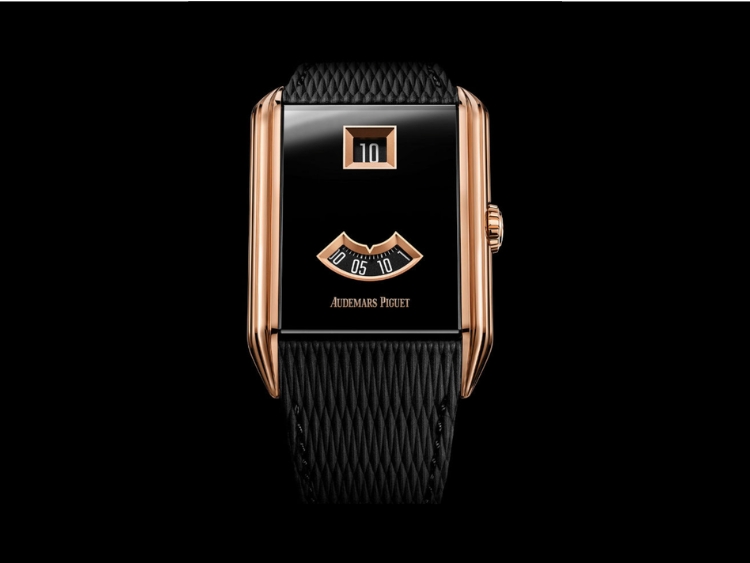
Image Courtesy: Official website
Craftsmanship returns to the spotlight
Among the most encouraging watch trends for 2026 is the renewed emphasis on craftsmanship.
Cartier provided one of the strongest examples. The return of the Roadster could easily have become an exercise in nostalgia. Instead, cleaner proportions and more disciplined execution transformed it into something unexpectedly contemporary.
The Santos-Dumont, with its obsidian dial, delivered a similar lesson. Decorative yet restrained, the dial shifts between deep black and reflective stone depending on the light, revealing subtle details throughout the day.
Cartier was far from alone. Across the industry, brands increasingly highlighted stone dials, enamel work, guilloché finishing, and artisanal techniques that celebrate craftsmanship rather than technical spectacle.
Grand Seiko’s engraved surfaces, Piaget’s hardstone dials, and Cartier’s continued exploration of mineral textures all reflected a growing appreciation for qualities that resist measurement. The way a dial catches light, the warmth of a material, or the satisfaction of daily wear often proved just as compelling as complication counts or power reserve figures.
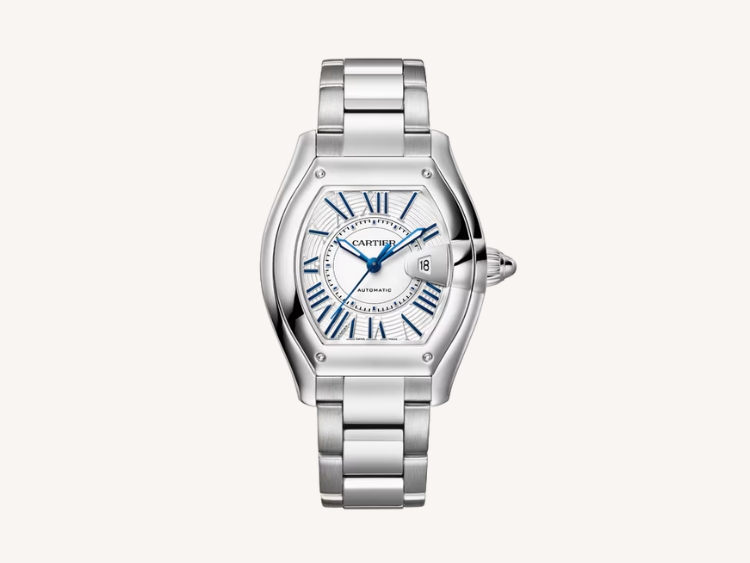
Image Courtesy: Official website
Complications without theatrics
The same movement towards restraint extended into technical watchmaking.
Some of the most convincing complicated watches of the year avoided overt displays of complexity. Instead, they focused on usability, elegance, and intuitive functionality.
Lange’s Annual Calendar demonstrated that technical sophistication need not come at the expense of refinement. Vacheron Constantin’s Overseas Dual Time Cardinal Points emerged as one of the year’s most intelligent travel watches, combining practical functionality with impressive clarity.
Parmigiani Fleurier delivered perhaps the strongest example with the Tonda PF Chronograph Mystérieux & GMT Rattrapante. The watch showcases extraordinary technical achievement, yet its greatest success lies in how effortlessly that complexity disappears beneath an elegant exterior.
For travellers, these qualities are difficult to ignore. A useful second time zone, excellent legibility, and intuitive functionality often deliver more value than technical fireworks that rarely leave a display case.
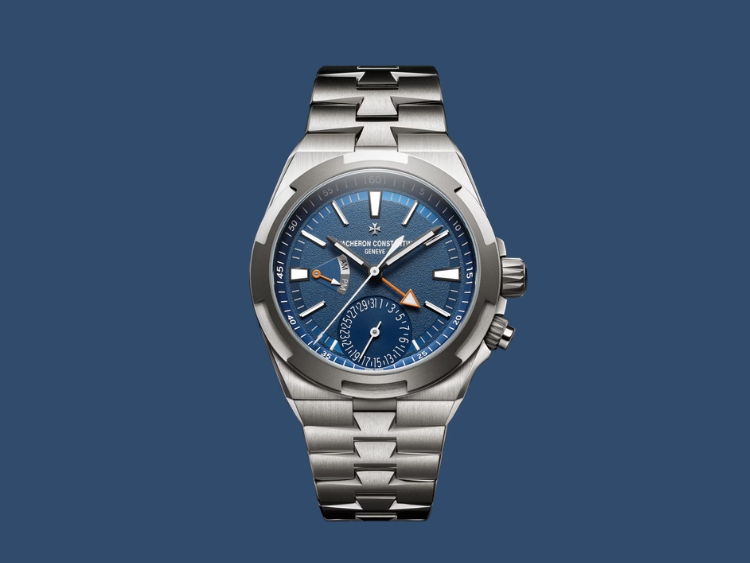
Image Courtesy: Official website
Why heritage still matters
Heritage continues to play an important role in modern watchmaking, but the strongest brands now understand that nostalgia alone is no longer enough.
Successful heritage-inspired releases balance historical references with contemporary expectations around comfort, wearability, and practicality. Cartier’s Roadster and Vacheron Constantin’s Historiques American 1921 both looked backwards while remaining firmly focused on modern lifestyles.
This balance helps explain why 2026 feels more evolutionary than revolutionary. While the industry continues to achieve impressive technical milestones, the most compelling releases focus less on changing the direction of watchmaking and more on refining it.
Better proportions, thoughtful design, and greater wearability have proven more persuasive than novelty for novelty’s sake.
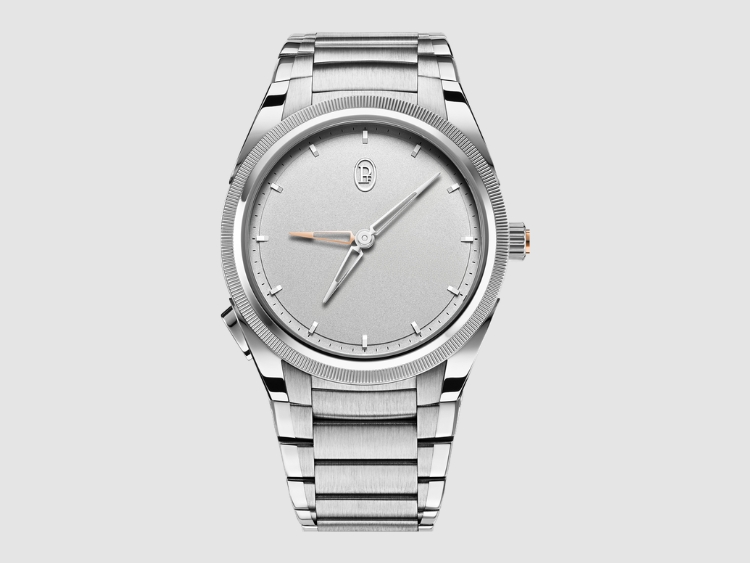
Image Courtesy: Official website
The future of watchmaking looks more restrained
More than any individual launch, that may become the defining story behind watch trends 2026.
The industry is spending more time thinking about fundamentals: how a watch wears, how it ages, and why someone might still enjoy owning it a decade from now. In many ways, these questions matter more than the latest innovation.
The ideal watch is not necessarily the most complicated or the most expensive. It is the one that disappears when it should, reveals itself when noticed, and continues to feel relevant long after the novelty has faded.
It travels well. It wears effortlessly. And it ages gracefully.
In a year defined by restraint, those qualities have become some of watchmaking’s most valuable achievements.
FAQs
What are the biggest watch trends in 2026?
Why are watch sizes getting smaller?
What makes a good travel watch?
Which brands stood out in watchmaking during 2026?
Why is craftsmanship important in modern watchmaking?