Drinking less, but spending more? The paradox reshaping the spirits industry
On a humid Thursday evening in Mumbai, a customer walks into a premium liquor store with a clear intention: he wants a bottle of whisky. Twenty minutes later, he is still standing in front of the shelf. He has picked up three bottles, examined labels, compared age statements, and asked questions about maturation and flavour profiles. Eventually, he leaves with a single bottle that costs considerably more than he had planned to spend.
What is striking is not the amount he paid. It is the amount of thought that preceded the purchase.
Scenes like this are becoming increasingly common across the spirits industry. Consumers are drinking less frequently than previous generations, yet premium spirits continue to attract attention. At first glance, the trend appears contradictory. If moderation is gaining ground and alcohol consumption is becoming more considered, why are consumers spending more on spirits?
The answer lies in a broader shift in consumer behaviour, one that extends far beyond alcohol itself. Across industries, consumers are becoming more selective about where they spend their money. They are questioning what deserves their attention, what delivers genuine value, and what enhances the experiences they care about most. As a result, premium spirits have become beneficiaries of a much larger movement towards intentional consumption.

Image Courtesy: Pexels
Why consumers are choosing quality over quantity
The modern consumer operates in an environment defined by almost limitless choice. Every purchase comes accompanied by reviews, recommendations, rankings, expert opinions, and countless alternatives. Yet rather than encouraging people to buy more, this abundance often produces the opposite effect. Consumers are becoming increasingly selective. Instead of accumulating products, many are focusing on making better decisions. They are spending more time researching purchases and placing greater emphasis on quality, craftsmanship, and long-term satisfaction. This shift has transformed how people evaluate value across categories ranging from travel and hospitality to fashion, dining, and luxury goods. Premium spirits fit naturally into this mindset. The bottle on the shelf no longer represents a simple transaction. It represents a decision that has been considered, researched, and ultimately chosen with confidence. Consumers increasingly view premium purchases as a reflection of personal taste rather than simple consumption.
Drinking occasions have become more meaningful
At the same time, drinking occasions themselves are changing. For many consumers, alcohol no longer forms part of everyday routine in the way it once did. Instead, people increasingly associate drinking with specific moments: a dinner with friends, a celebration, a weekend gathering, or an evening worth remembering. As these occasions become less frequent, expectations naturally rise. Consumers may open fewer bottles throughout the year, but they want those bottles to feel more meaningful when they do. The emphasis shifts away from volume and towards experience. People are no longer simply purchasing a drink. They are investing in the role that drink plays within a particular moment. This helps explain why premium spirits continue to thrive despite changing attitudes towards alcohol. Consumers are not necessarily seeking another drink. They are seeking a better one. They are willing to spend more because the purchase feels proportionate to the occasion.
Experience has become part of the product
One of the most significant changes shaping the category is the growing importance of experience. Premium spirits have successfully positioned themselves around the idea that what surrounds the drink matters just as much as the liquid itself. The bottle becomes part of the story of the evening. It contributes to the atmosphere, the conversation, and the sense of occasion. As a result, consumers increasingly evaluate premium spirits through a broader lens. They consider not only flavour and quality but also the experience the bottle helps create. This emotional dimension has become an important driver of premiumisation across the category. The strongest brands understand this instinctively. They recognise that modern consumers are often purchasing a feeling, a memory, or a shared experience rather than simply a product.
Knowledge is driving confidence
Consumer knowledge has accelerated this transformation. Information that was once limited to enthusiasts is now widely accessible. Many consumers understand production methods, recognise emerging whisky regions, compare maturation techniques, and develop informed opinions about what they enjoy. This growing familiarity encourages people to trade up. A premium bottle no longer feels intimidating or inaccessible. Instead, it feels like a logical extension of a more informed and engaged consumer culture. Buyers increasingly understand what differentiates one bottle from another, and they are often willing to pay more when they believe those differences deliver genuine value. The result is a consumer base that approaches spirits with greater confidence and curiosity than ever before.
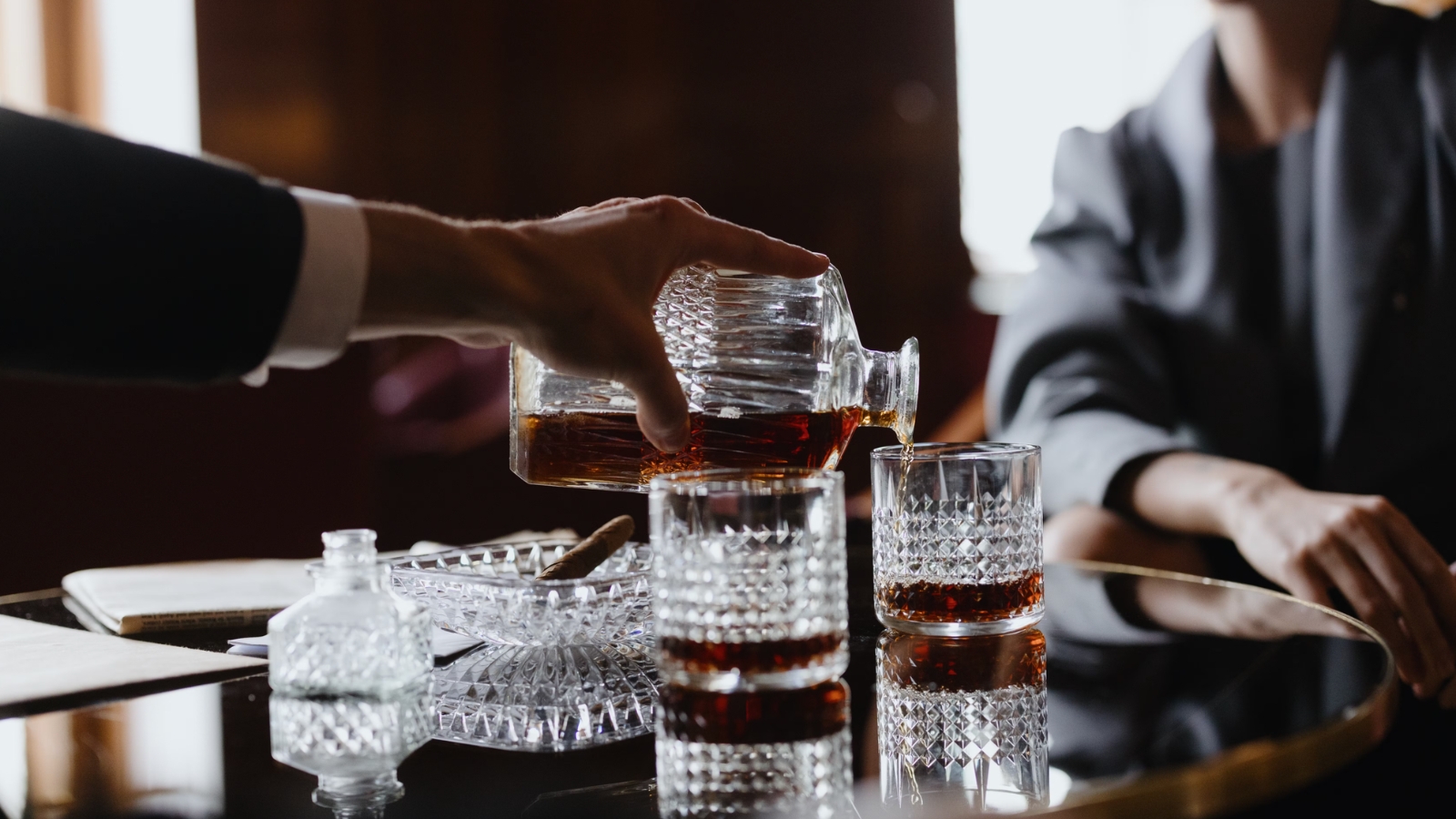
Image Courtesy: Pexels
Craftsmanship continues to resonate
Premium spirits have also benefited from a broader appreciation for craftsmanship. Across multiple industries, consumers increasingly gravitate towards products that demonstrate expertise, authenticity, and attention to detail. In categories crowded with choice, craftsmanship provides reassurance. A carefully produced whisky, rum, or gin offers a sense of substance that resonates in an era often defined by speed, convenience, and mass production. Buyers respond positively to products that feel thoughtful and well-made. Spirit producers have recognised this shift and increasingly highlight the care that goes into every bottle. Production techniques, ingredient sourcing, ageing processes, and heritage narratives now play a central role in how brands communicate with consumers. These stories matter because they reinforce the perception that a premium bottle offers something more than its price alone.
Premium spirits reflect a wider cultural shift
Perhaps the most interesting aspect of this trend has little to do with alcohol itself. The rise of premium spirits reflects a broader cultural movement towards intentional consumption. Consumers increasingly apply the same mindset to food, travel, fashion, hospitality, and luxury goods. They are buying fewer things, but they expect those purchases to deliver greater satisfaction. Quality has become a form of reassurance. Thoughtful purchases provide a sense of confidence that extends beyond ownership itself. Consumers increasingly value products that feel purposeful, authentic, and aligned with their personal priorities. Viewed through this lens, the continued success of premium spirits feels far less surprising. Consumers are not abandoning alcohol, nor are they embracing excess. Instead, they are redefining what makes a purchase worthwhile.
The future belongs to brands that give consumers a reason to choose
For an industry that traditionally measured success through volume, this represents a profound shift. The bottle that earns a place on the shelf today must justify its presence. Consumers increasingly reward brands that deliver quality, craftsmanship, authenticity, and a meaningful experience. They are willing to spend more when they believe the purchase enhances a particular moment or reflects a considered choice. As drinking habits continue to evolve, the future may belong less to the brands that sell the most and more to the brands that give consumers a compelling reason to choose them. One thing appears increasingly clear: people are consuming with greater intention, and premium spirits continue to thrive because they align perfectly with that mindset.