The Quiet Revolution: How Luxury Travel Is Rewriting Its Own Rulebook

The era of indulgence is being firmly edged aside by something more personal: privacy over spectacle, recovery over indulgence, and control over one’s own schedule.

SHA Wellness Clinic Spain
There was a time when luxury travel announced itself. That era is not quite over, but it is being replaced by something more real: privacy over grand showcases and recovery over indulgence. Today’s traveller, business or otherwise, understands these nuances. The hotels that embrace this shift are thriving, not just surviving.

Solo, and rather pleased about it.
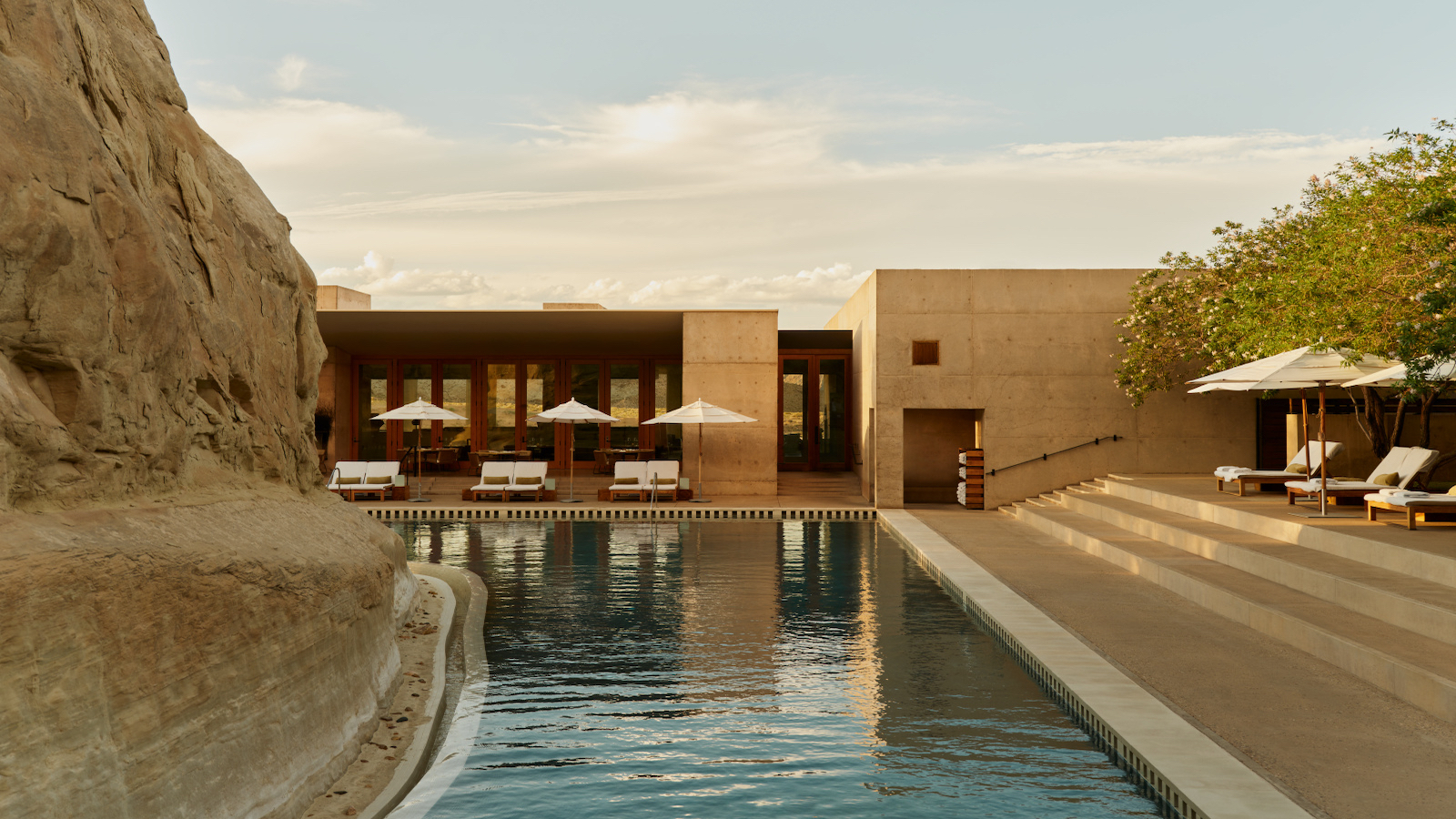
Amangiri

Photo courtesy: Aman Hotels

Solo travel has stopped being a consolation prize for the unattached and become a deliberate choice. This is a preference that business travellers in particular have quietly been making for years without anyone portraying it as a trend. A CMO travelling alone for a conference in Singapore or a founder flying solo to close a deal in Dubai is not lonely. This is efficiency: setting your own pace, eating when you want to, and not having to negotiate anyone else’s preferences into your three days on the move. That same preference for autonomy is already shaping what hotels provide next.
A few hotels have got the memo; they’re no longer treating solo guests as an afterthought or adding them as plus-ones to a double room. Aman has an ethos around it; its properties have been designed to make solitude seem deliberate rather than accidental – with vast private spaces that don’t make you feel like you’re occupying too much room.
Six Senses has taken a similar approach, pairing solo-friendly dining concepts and less-demanding communal tables with wellness programming based on the likelihood that guests are thinking, dining and travelling on their own terms.

The new premium: nobody knows you’re here.
Photo Courtesy: Unsplash

Photo Courtesy: Unsplash

Privacy used to mean a locked door. Now it means something closer to being Houdini, and business travellers, particularly those negotiating sensitive deals, are paying handsomely for it. Executives negotiating LOIs, celebrities wanting a week off from the paparazzi, or entrepreneurs overposting their updates on the gram. All of them are driving demand for hotels to adopt discretion as a design philosophy. The most discerning properties have stopped asking guests to exchange privacy for service; they’ve found a way to offer both.
The Peninsula‘s residential-style suites, with separate entrances and no lobby theatre that comes with a conventional check-in, understand this instinct well. So does Rosewood, whose “sense of place” philosophy extends to genuinely discreet arrival experiences. For example, at properties like Rosewood Hong Kong, a guest can move from car to room without a single unnecessary interaction. That expectation of discretion also sets up the next shift: wellness.

Wellness has grown up.

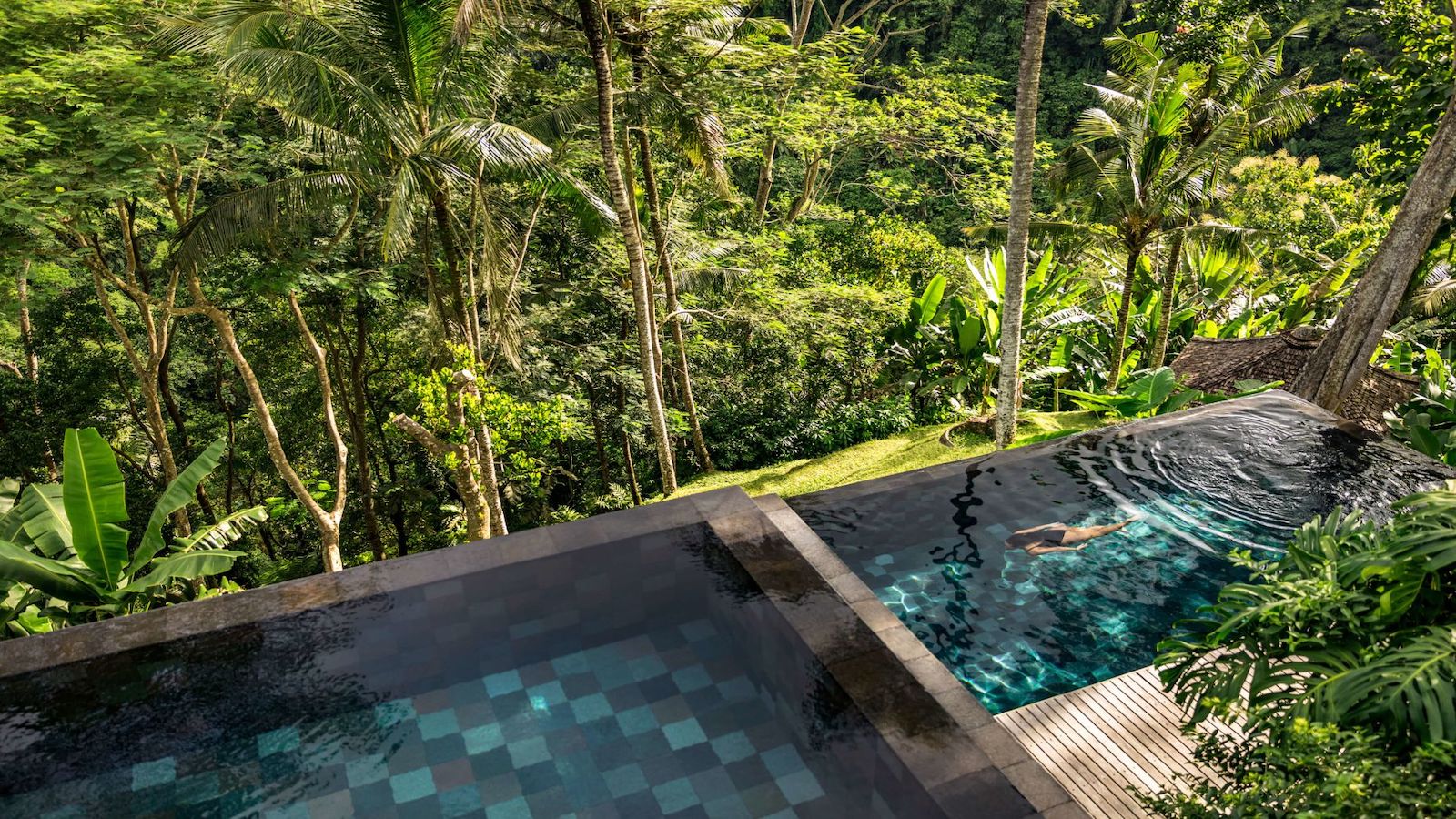
COMO Shambhala Bali

Photo courtesy: COMO Shambhala Bali

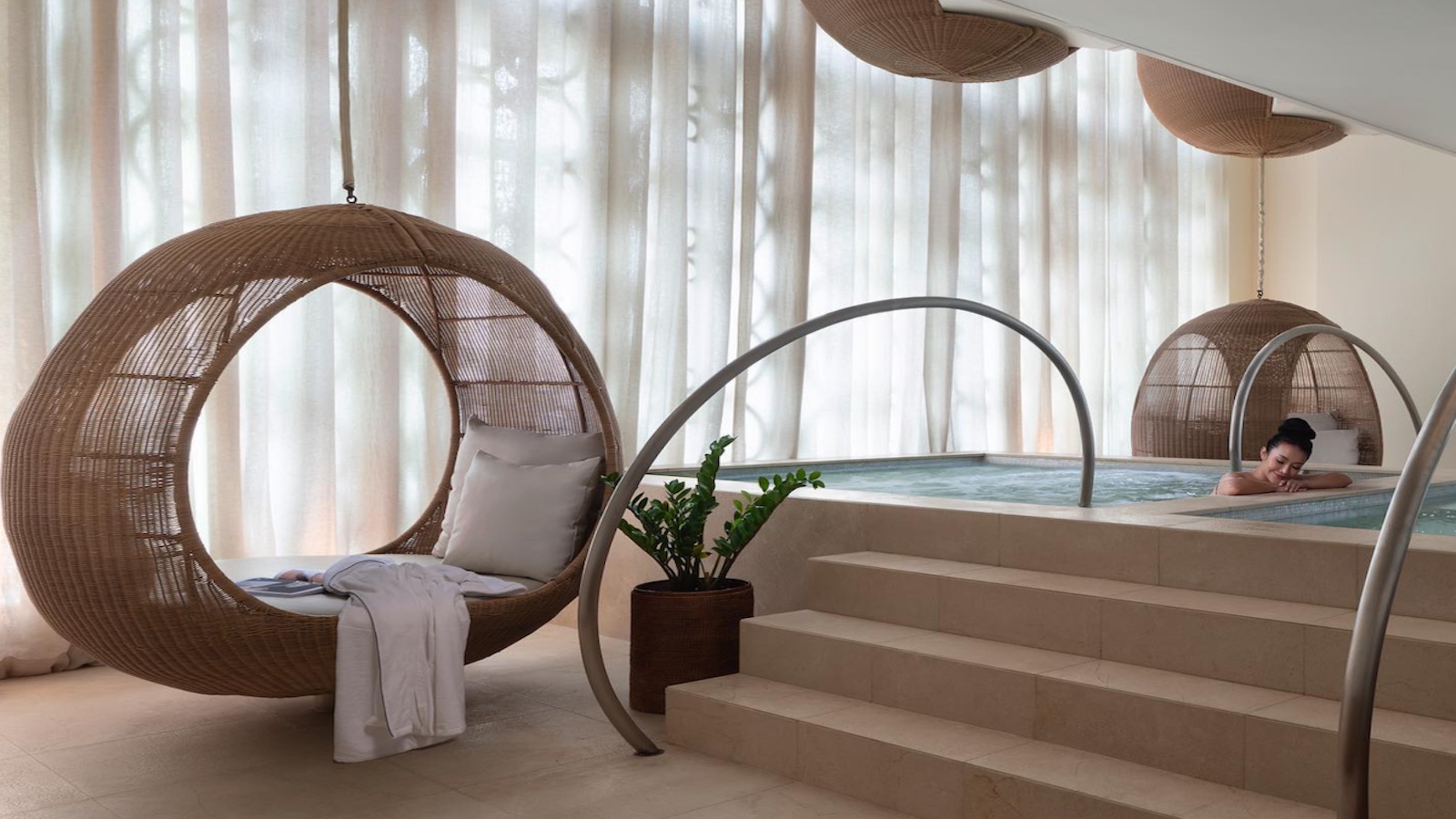
For years, wellness in hotels meant a spa menu and a smoothie at breakfast. What has replaced this version is holistic and increasingly the reason a guest chooses one property over another. Six Senses again leads convincingly here, with its integrated approach blending sleep science, nutrition and mindfulness into a single coherent programme rather than a collection of unrelated spa treatments. COMO Shambhala, one of the earliest movers in this space, built its reputation precisely on biohacking. They’ve understood that wellbeing on the road should be a prolongation of a guest’s life rather than an interruption to it. This deeper approach naturally leads into biohacking.
What is telling is how many of these programmes are now aimed squarely at business travellers rather than leisure guests on a fortnight’s holiday. Jet lag protocols, circadian-lighting rooms, in-room recovery equipment – none of this exists for people with a week to spare. It exists for the executive with consecutive meetings across three time zones who needs to function at their sharpest by nine the next morning. Hotels that grasp this distinction are building loyalty that no loyalty programme ever could.

Biohacking checks in.

Clinique La Praire

Photo courtesy: Clinique La Praire

The furthest edge of this shift, and arguably its most fascinating expression, is the rise of biohacking and longevity-focused hospitality. This is wellness with data to back it up, and a growing number of properties are positioning themselves accordingly. Clinique La Prairie in Switzerland has long operated at the furthest end of this spectrum, with medically supervised longevity programmes that draw an increasingly corporate clientele keen to treat recovery as seriously as they treat performance. Equinox Hotels has taken the concept and made it more accessible by building recovery suites with cryotherapy, red light therapy, and sleep optimisation directly into the guest experience rather than tucking it away as a separate, bookable extra. These offerings push the story from wellness into longevity.

Even Four Seasons, hardly known as an early adopter of anything experimental, has begun weaving longevity-adjacent offerings, IV therapy, advanced diagnostics, and personalised restoration protocols into select properties. A sure sign that what once sat at the fringe of wellness tourism is edging into the mainstream of luxury hospitality altogether.

What this means for the business traveller.

None of this is incidental to business travel, whatever the marketing departments of certain hotel groups would still like guests to believe. The executive flying in for forty-eight hours of meetings is the ideal customer for all four of these shifts at once.
The properties getting this right aren’t the ones with the snazziest new spa or the longest dining menu. They’re the ones who’ve understood that luxury today is no longer about “being seen”. It is about having the choice to pick what you need and, more importantly, who or what you don’t.