Saudi Arabia’s ambitious transformation is reshaping business travel, but Riyadh isn’t replacing Dubai. It’s creating an entirely different model.
For years, Riyadh vs Dubai has become one of the biggest conversations in West Asian business travel. As Saudi Arabia accelerates Vision 2030 and multinational companies establish regional headquarters in the Kingdom, Riyadh is emerging as a serious business destination. Yet comparing the two cities isn’t about choosing a winner. They serve different purposes, attract different travellers and represent different stages of economic growth.
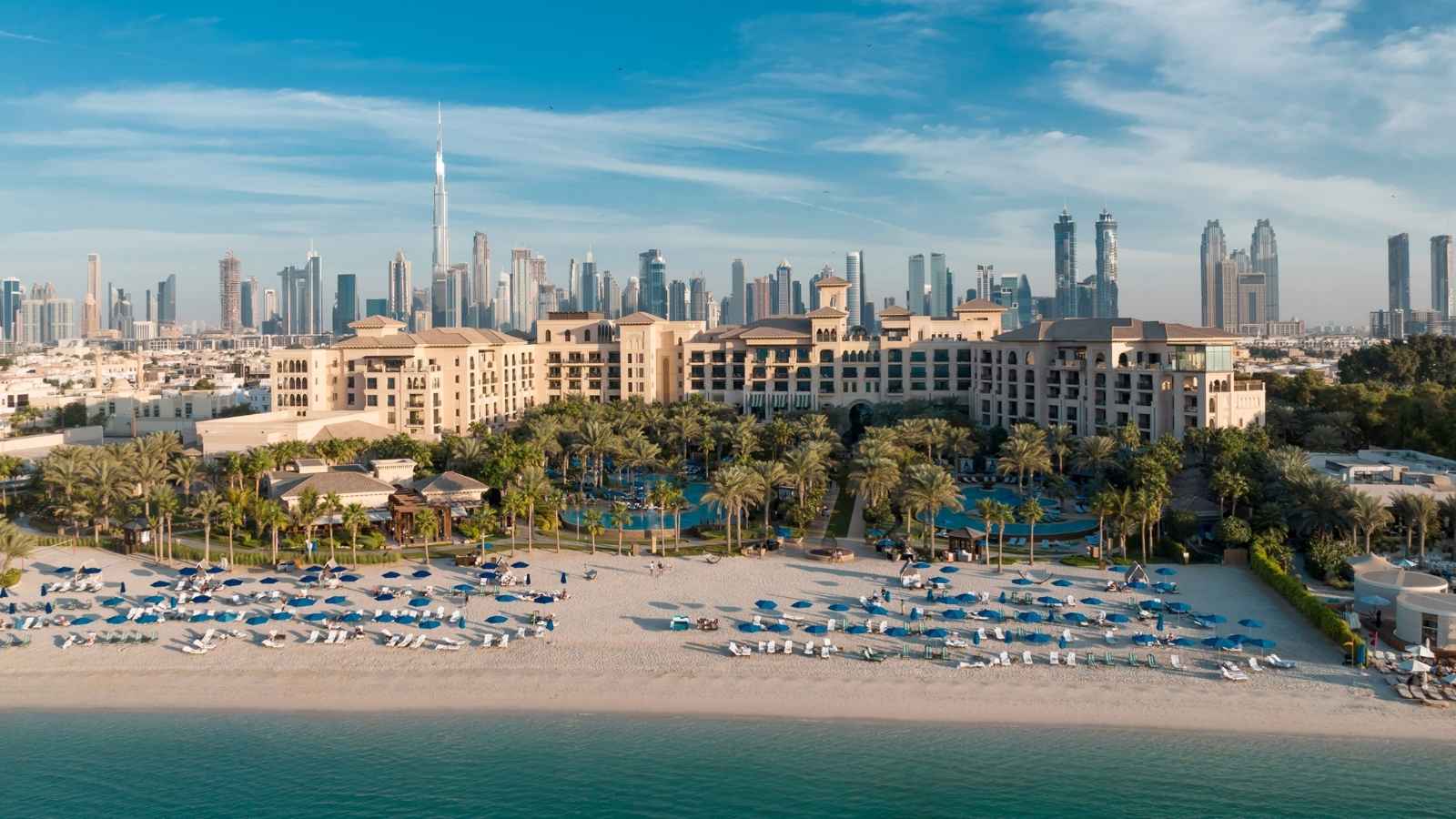
Photo Courtesy: Four Seasons Resort Dubai at Jumeirah Beach
Dubai still defines effortless business travel
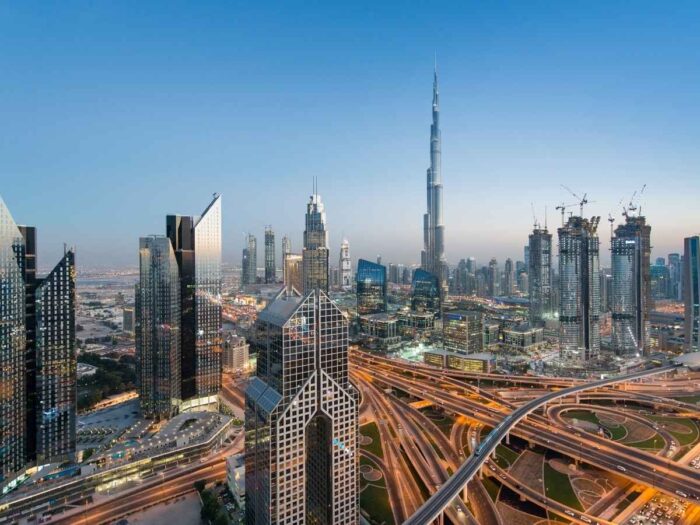
Dubai built its reputation by making international business feel remarkably easy. From the moment executives land, every part of the journey has been designed around convenience. Meetings flow into networking dinners, luxury hotels double as business hubs, and global connectivity remains unmatched across the region.
The city’s hospitality ecosystem reflects that maturity. Hotels such as Atlantis The Royal, Four Seasons Resort Dubai at Jumeirah Beach and Address Sky View combine executive facilities with world-class dining, wellness and leisure. English dominates corporate conversations, service standards are highly international, and business travellers can move through the city with minimal friction.
For companies looking for efficiency and flexibility, Dubai continues to set the benchmark.
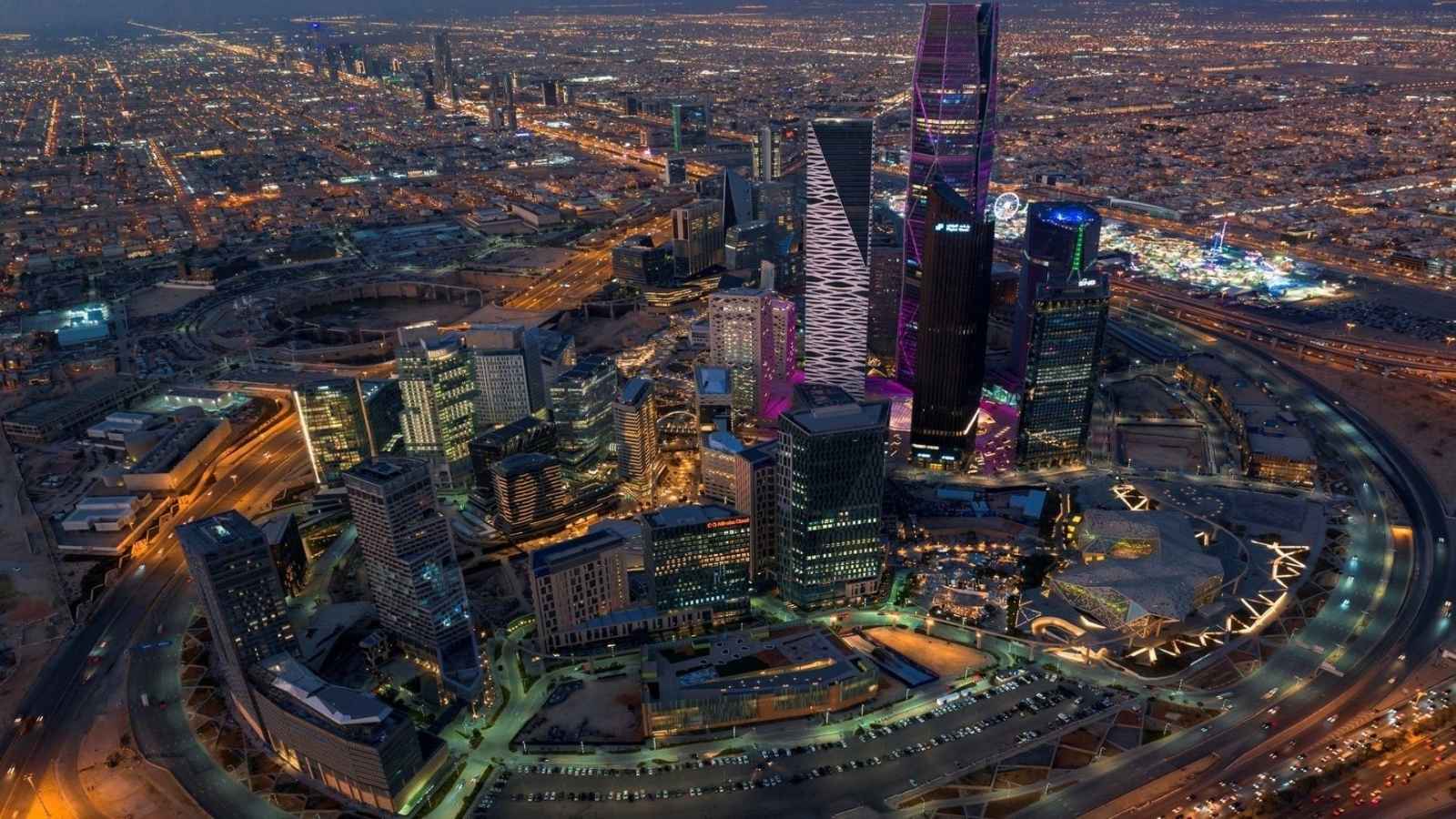
Photo Courtesy: Visit Saudi
Riyadh is building something bigger than convenience
What makes Riyadh different is not its polish but its momentum. Vision 2030 has transformed the Saudi capital into the centre of one of the world’s largest economic development programmes. Investment banks, consulting firms, technology companies and hospitality brands are expanding rapidly, encouraged by localisation policies and government incentives.
Unlike Dubai, which already feels fully established, Riyadh feels like a market still taking shape. Construction cranes dominate the skyline, new commercial districts continue to emerge, and entire industries, from tourism and aviation to entertainment and renewable energy are growing simultaneously.
For business travellers, every visit offers a glimpse into a city evolving in real time.
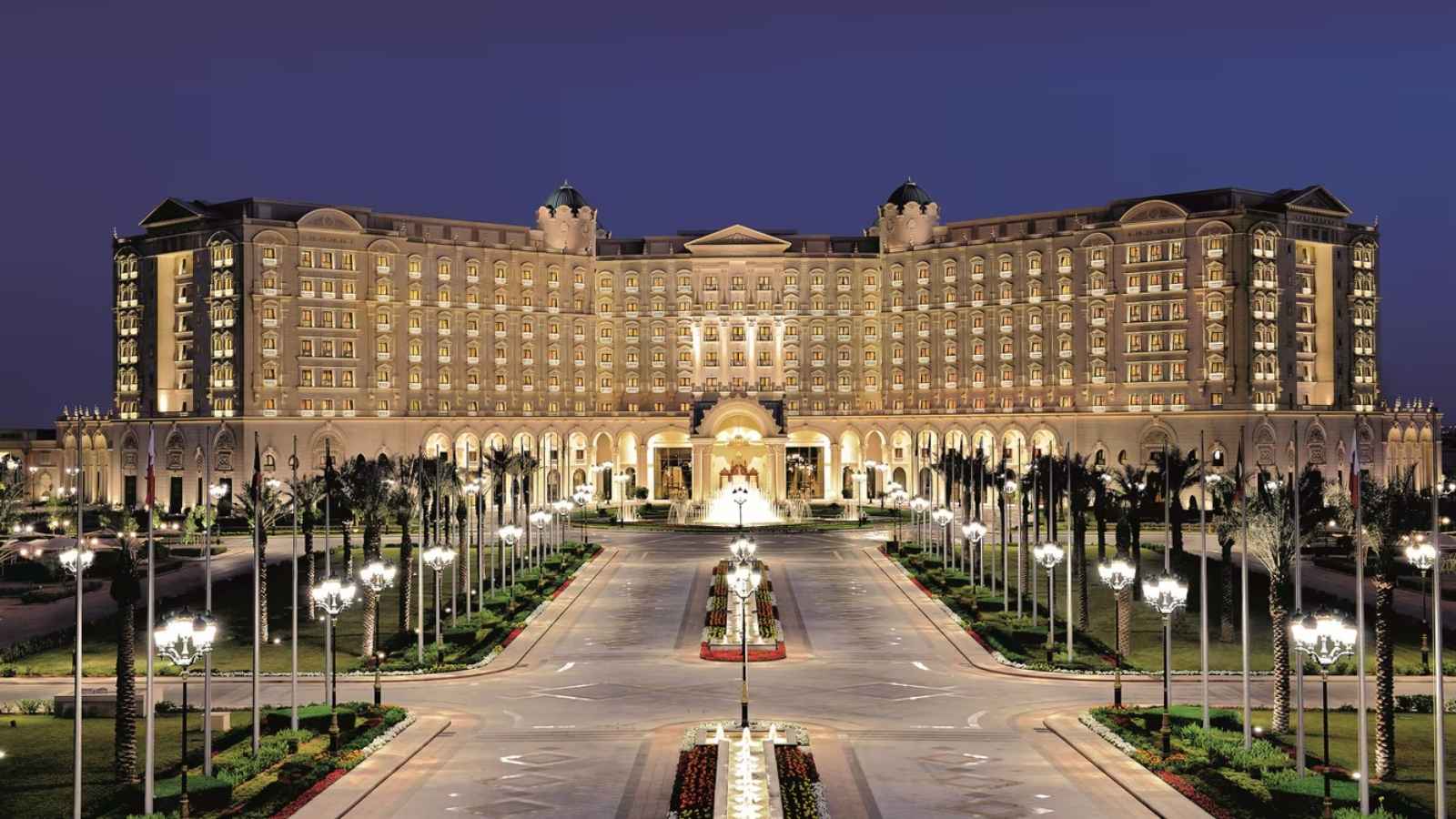
Photo Courtesy: The Ritz-Carlton, Riyadh
The business travel experience feels very different
Dubai and Riyadh may compete for the same conferences and regional headquarters, but the experience on the ground differs significantly. Dubai is fast-moving and globally familiar. Riyadh places greater emphasis on long-term relationships, formal meetings and understanding local business culture. Deals are often built through trust rather than speed, making personal connections particularly valuable.
The hospitality landscape reflects these priorities. While Dubai’s luxury hotels focus heavily on lifestyle, beach clubs and dining experiences, Riyadh’s leading properties, including The Ritz-Carlton Riyadh and Four Seasons Hotel Riyadh at Kingdom Centre remain centred around executive travel, government delegations and high-level corporate discussions. That is beginning to change as luxury retail, wellness experiences and fine dining continue expanding across the city.
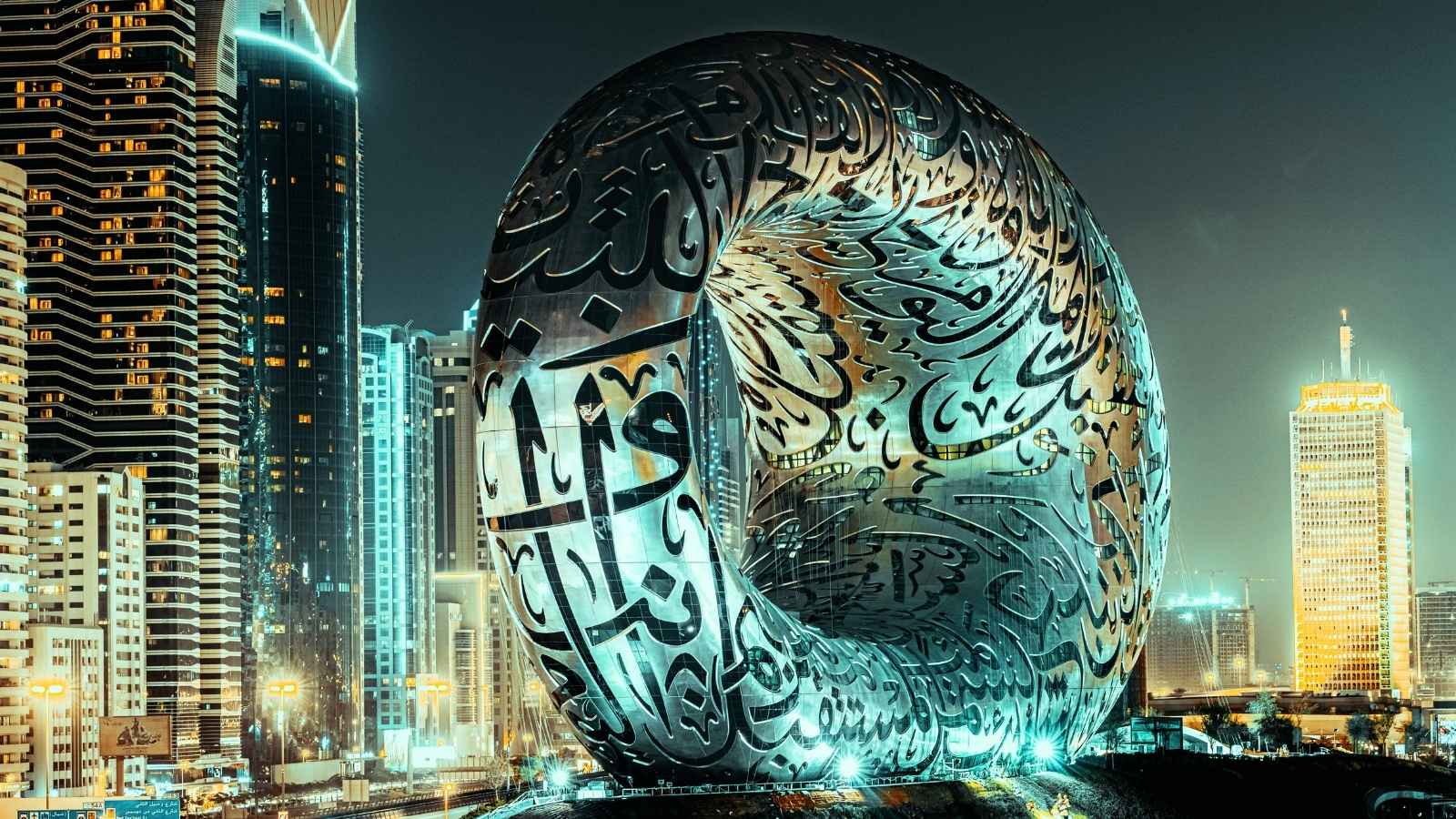
Photo Courtesy: Canva Pro
Lifestyle remains Dubai’s biggest advantage
For international executives relocating temporarily or travelling frequently, Dubai still offers an ecosystem few cities can match. Its beaches, nightlife, branded residences, international schools and established expatriate community make it easy to combine business with leisure. Bleisure travel continues to thrive because the city naturally encourages travellers to extend their stay beyond work.
Riyadh offers fewer lifestyle distractions today, but it compensates with something arguably more valuable: access to opportunity. Saudi Arabia’s scale means major investments are taking place across infrastructure, manufacturing, tourism, aviation, technology and clean energy. For many multinational organisations, maintaining a presence in Riyadh is becoming a commercial necessity rather than a strategic option.
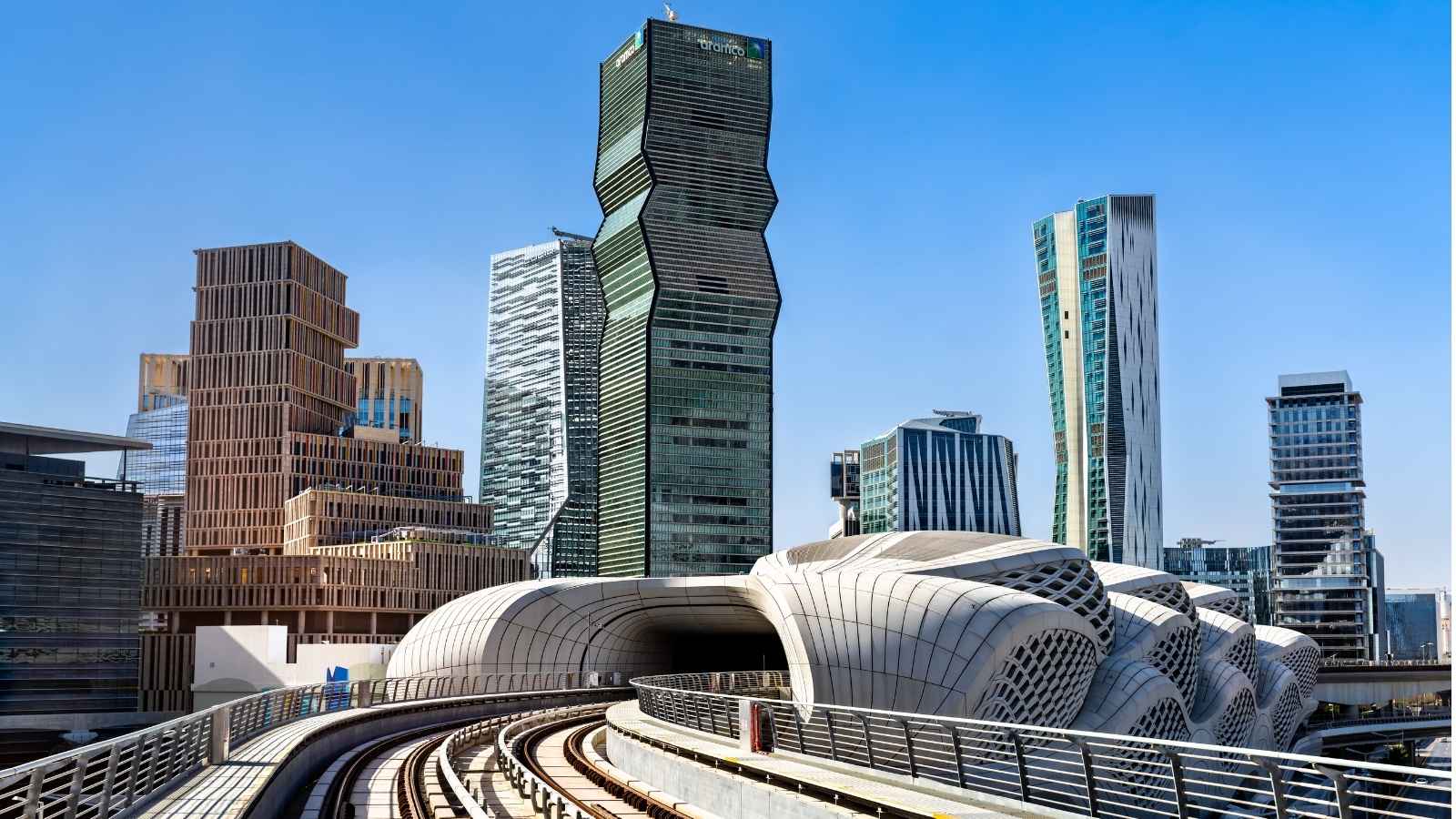
Photo Courtesy: Canva Pro
The future isn’t Riyadh or Dubai
The biggest misconception surrounding Riyadh vs Dubai is that one city must eventually replace the other. Instead, West Asia is increasingly evolving into a two-city business ecosystem. Dubai remains the region’s international gateway, connected, cosmopolitan and built around seamless global mobility. Riyadh is becoming its economic engine, driven by policy reform, investment and long-term national transformation. Executives are already travelling regularly between both cities rather than choosing one over the other, and airlines, hotel groups and business travel providers are expanding accordingly.
So, for anyone travelling across West Asia, the question is no longer whether Riyadh will become the next Dubai, it is whether businesses can afford to ignore either destination.