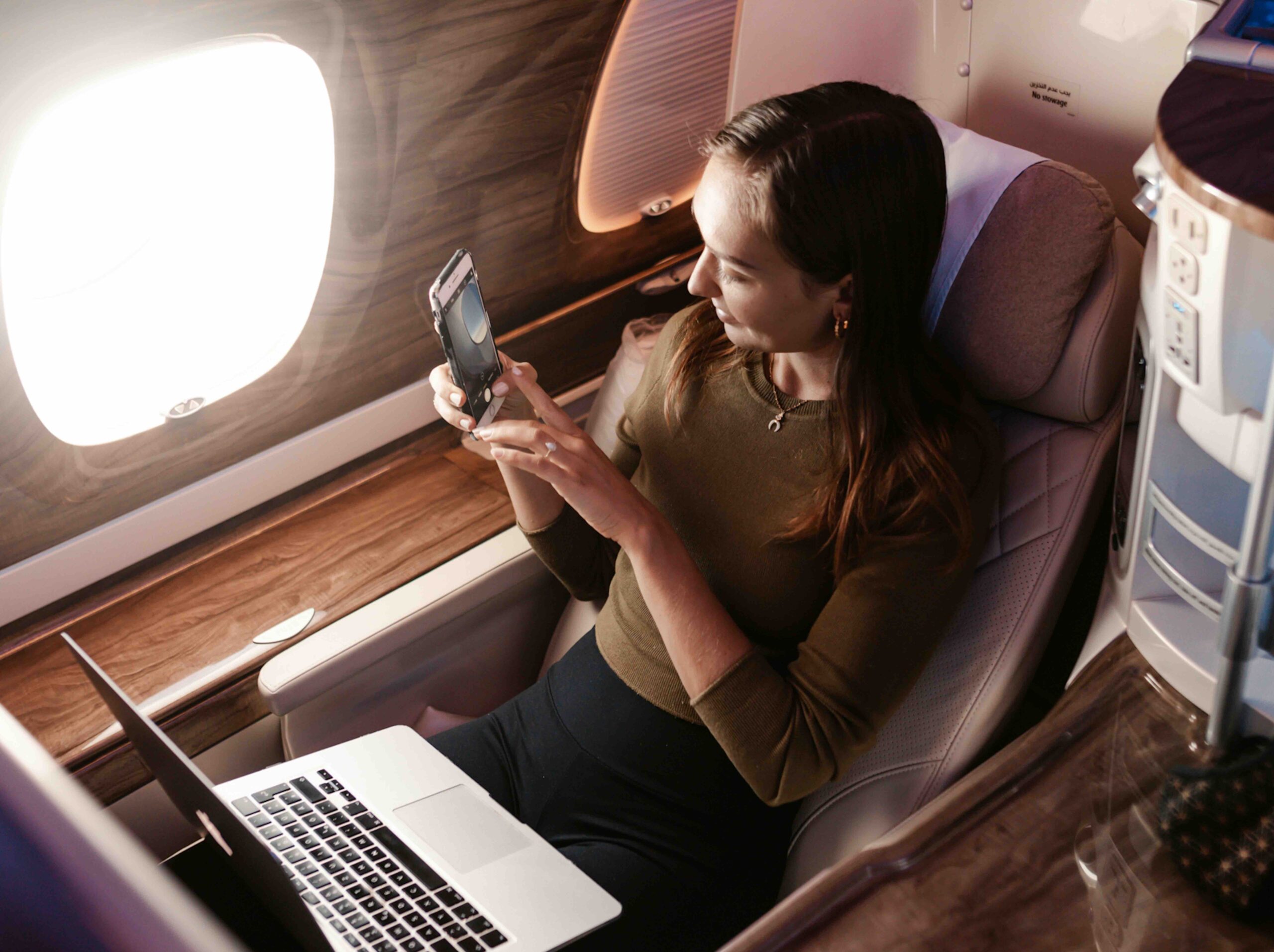
Business trips used to mean packing for a whole week. You would fly out, spend three days in meetings, and return home with a suitcase full of hotel toiletries you never planned to take. That way of traveling is quickly disappearing.
Now, business travellers want something different. They prefer trips that last just 48 hours—arrive, get the job done, and be home before the weekend.
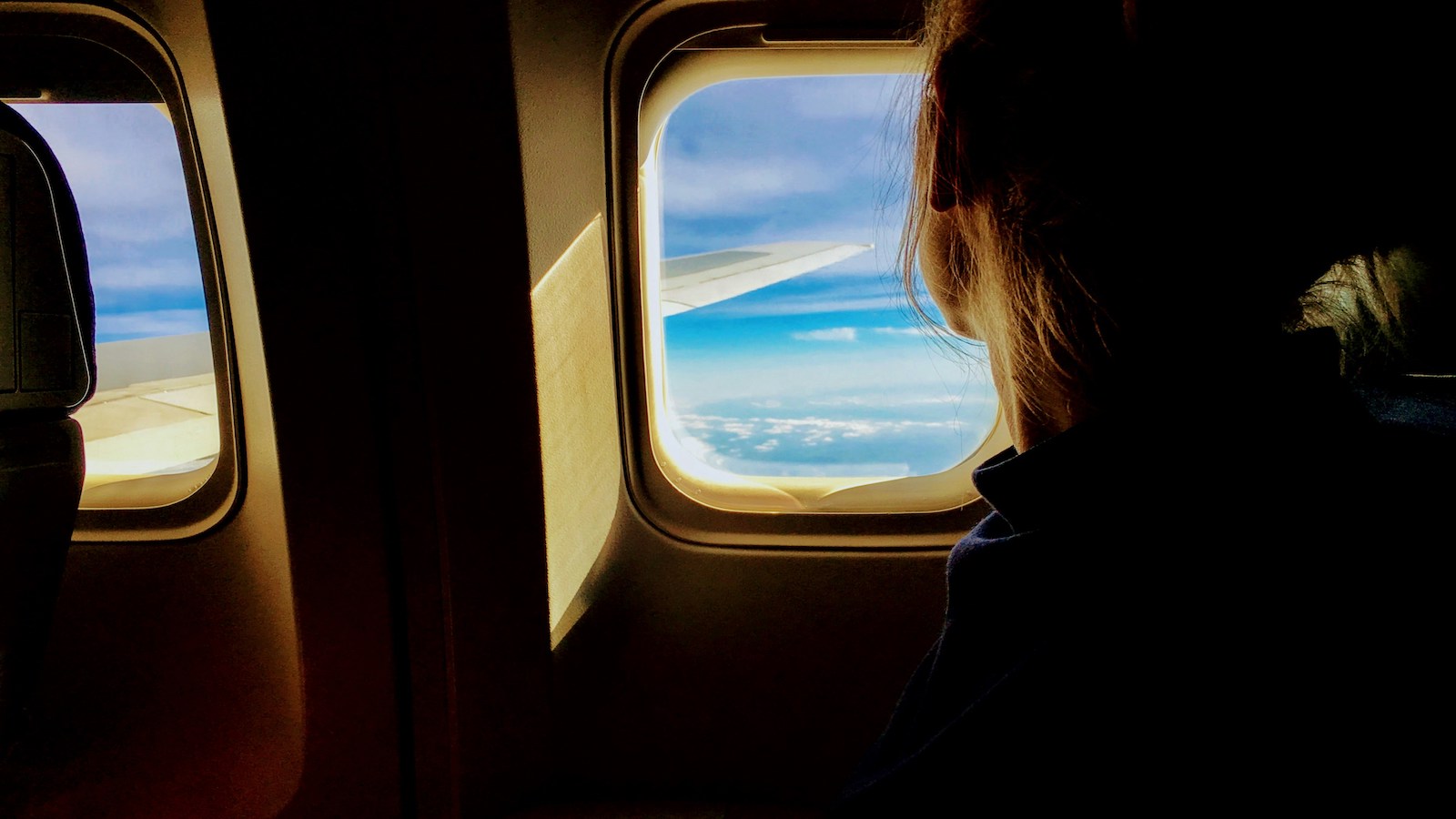
Photo Courtesy: Unsplash
The Rise of the Micro-Trip
Some experts call this trend the “12-hour micro-trip,” which highlights the direction of corporate travel in 2026. Companies are traveling less often, but with more focus. They use short, targeted trips to close deals, meet important clients, or visit sites without interrupting the rest of the week.
The data supports this shift. Deloitte has found that there are fewer occasional travellers, but more professionals taking six to ten trips each year. People are spending fewer nights away and achieving more in less time. This is the new way business travel works.
This approach is logical. Companies want to see that every trip is worthwhile. Spending three days at a conference for just one useful meeting is no longer enough. A well-planned 48-hour trip that results in a closed contract is now preferred.

Photo Courtesy: Unsplash
Bleisure Hasn’t Gone Anywhere; It’s Just Sharing the Calendar
This does not mean the industry must choose between short, efficient trips and longer, mixed-purpose ones. Both types are increasing, but for different reasons.
The global bleisure market touched $762 billion in 2025 and is expected to cross $2.2 trillion by 2034. A recent Navan and Skift report found that 55% of business travellers took at least two blended trips in 2024, with more than half using their downtime to explore local areas. Marriott has reported that business travellers are now staying 20% longer than in previous years.
As a result, business travellers now fall into two main groups. One group prefers a focused, efficient 48-hour trip. The other wants to extend their business trip into a few extra days for exploration. Hotels, airlines, and destination marketers in India should consider both groups instead of treating all business travel the same way.
Photo Courtesy: Unsplash
What This Means for India
India’s hospitality sector is starting 2026 in a strong position. Hotel room rates are expected to rise by up to six per cent, reaching between ₹9,400 and ₹9,700, thanks to steady growth in domestic tourism and business travel. In most major markets, demand is still higher than supply.
That pricing pressure changes the calculus for a 48-hour trip. Every hour in a room needs to justify itself, and corporate travel managers are watching costs closely. This is exactly why short, high-intent trips are gaining ground. A traveller who lands, meets, and leaves within two days spends less on lodging and loses less time to travel fatigue.
In 2026, more than half of India’s new hotels will be midscale or upper-midscale. This shows a clear shift toward serving efficient, frequent business travel instead of long, luxury stays. Features like fast check-in, reliable Wi-Fi, and practical rooms are now more important than extra amenities.
The Case for Designing Around 48 Hours
Hotels and airlines that want to attract business travellers should focus on short-stay guests as a priority, not as an afterthought.
Consider what a traveller really needs during a two-day trip: a smooth airport transfer, a room ready at check-in, a desk that functions like an office, and meals that fit into a busy schedule of meetings.
These needs are simple, but they require hotels and airlines to design for shorter trips instead of the typical business stay. Travellers booking a 48-hour trip are not interested in spas or rooftop bars. They value saving time as much as any other amenity.
The Bigger Picture
Business travel in India is not declining; it is becoming more focused. Trips are shorter but more meaningful. Every hour is scheduled, every meeting matters, and travellers expect the services around them to keep up.
The 48-hour trip is not just a passing trend. It is quickly becoming the standard for business travel. Hotels and platforms that adapt early will earn the loyalty of these travellers.