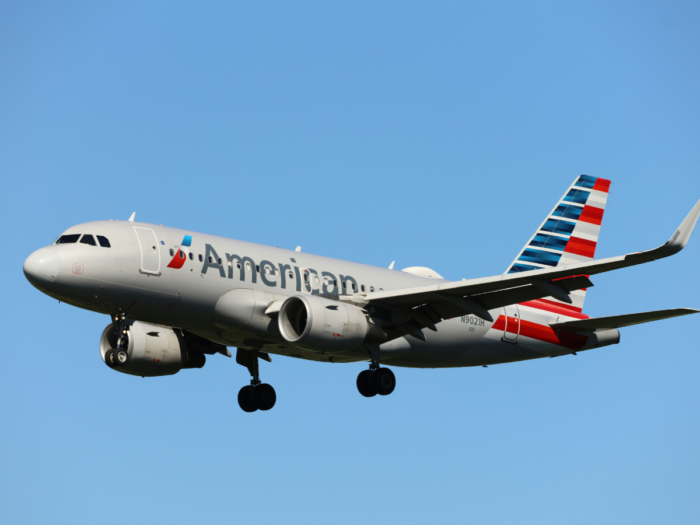
American Airlines first class now has a confirmed exit date. The Boeing 777-300ER cabin disappears from flights departing November 19, 2026. American Airlines first class on the Airbus A321T follows on March 28, 2027.
This announcement ends years of speculation around the airline’s premium strategy. American first floated the idea back in 2022. Since then, American Airlines first class has slowly given way to a bigger Flagship Business cabin instead.
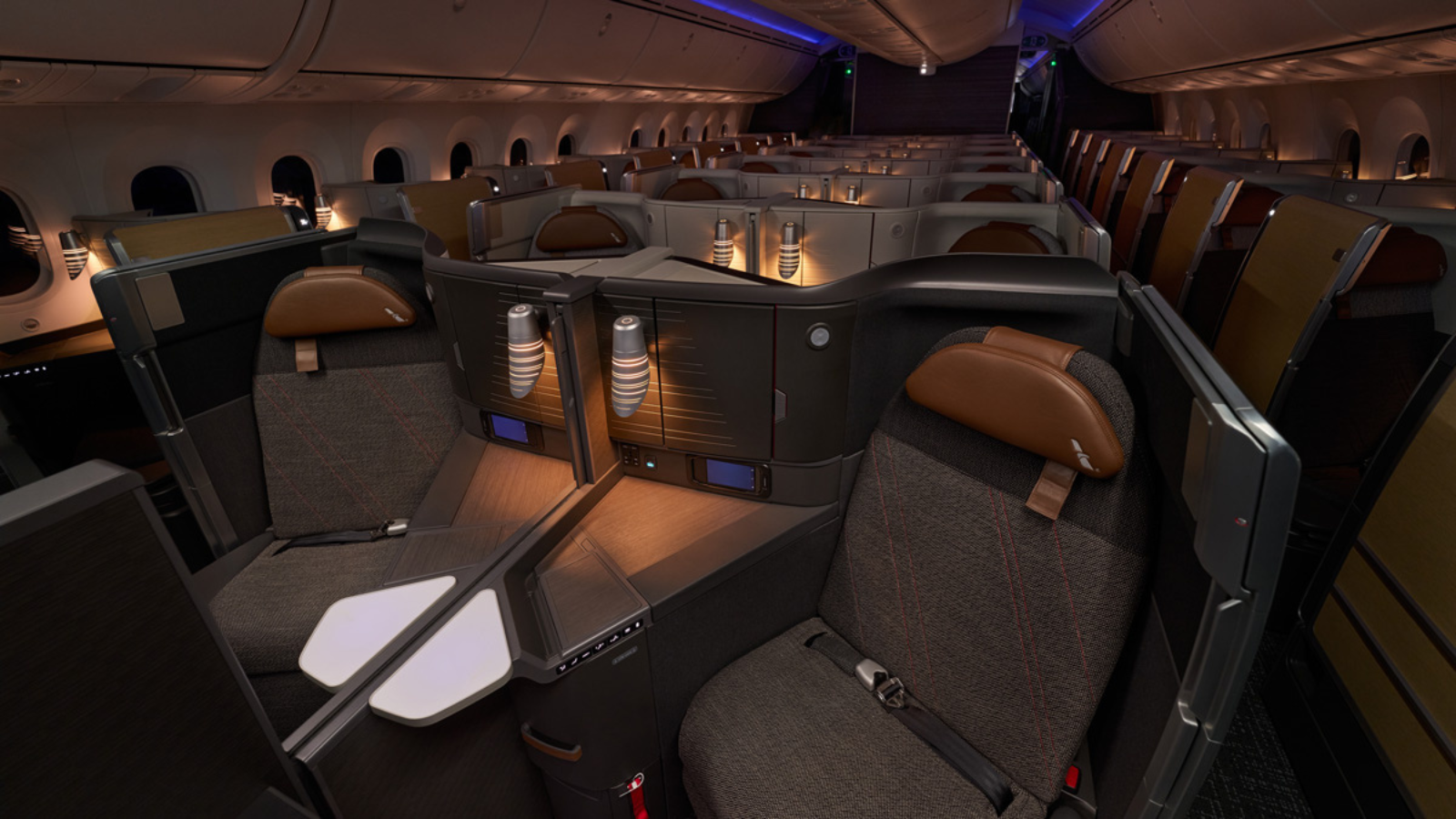
View of the current Flagship Business Cabin. Photo Courtesy: American Airlines
From Three Cabins to Two
American originally planned a three-cabin model on select long-haul aircraft. That included economy, Flagship Business and Flagship First. However, the airline always intended to move toward a stronger two-cabin structure over time.
The Boeing 777-300ER will now carry 70 lie-flat Flagship Business seats. These replace a smaller, separate first class cabin entirely. Consequently, more passengers gain access to a premium seat on these routes.
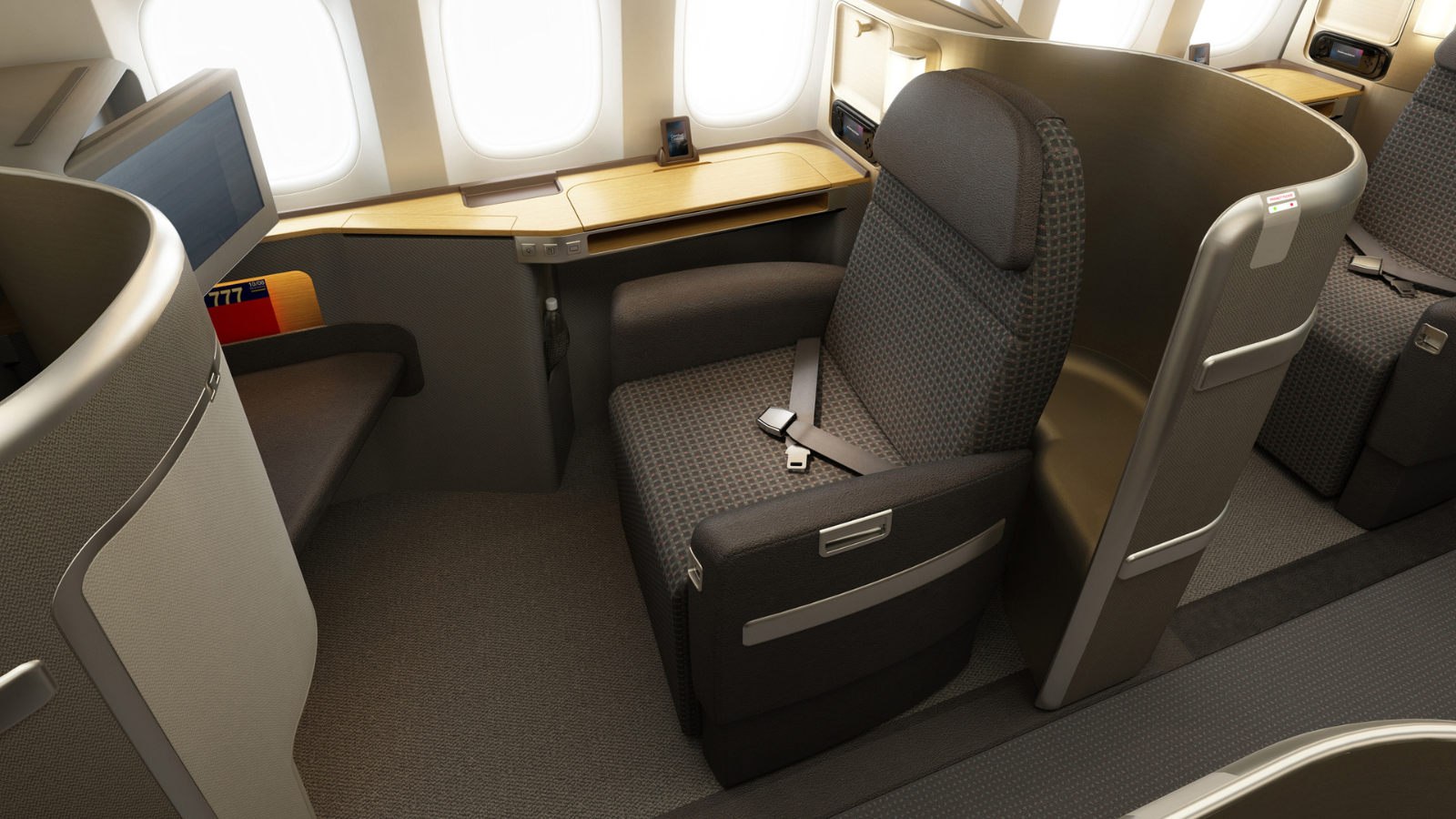
View of the current Flagship Business Cabin. Photo Courtesy: American Airlines
Flagship Dining Gets a Bigger Audience
Ground benefits are shifting alongside the cabin changes. Flagship Dining opens to business class passengers from September 15, 2026. Eligible travellers can use it at Dallas Fort Worth and Miami first.
Los Angeles will reopen its Flagship Dining room later this year too. Previously, this experience was reserved only for Flagship First passengers. Now, a much wider group of premium travellers can enjoy it.
What Travellers Stand to Lose
Not every change favours passengers equally here. Very few flyers will retain access to the Chelsea Lounge at JFK. That space had been tied closely to Flagship First eligibility.
Some crowding may also follow as Flagship Dining opens up further. Even so, most passengers should come out ahead overall. A larger, more consistent business class product replaces a smaller, harder-to-book first cabin.
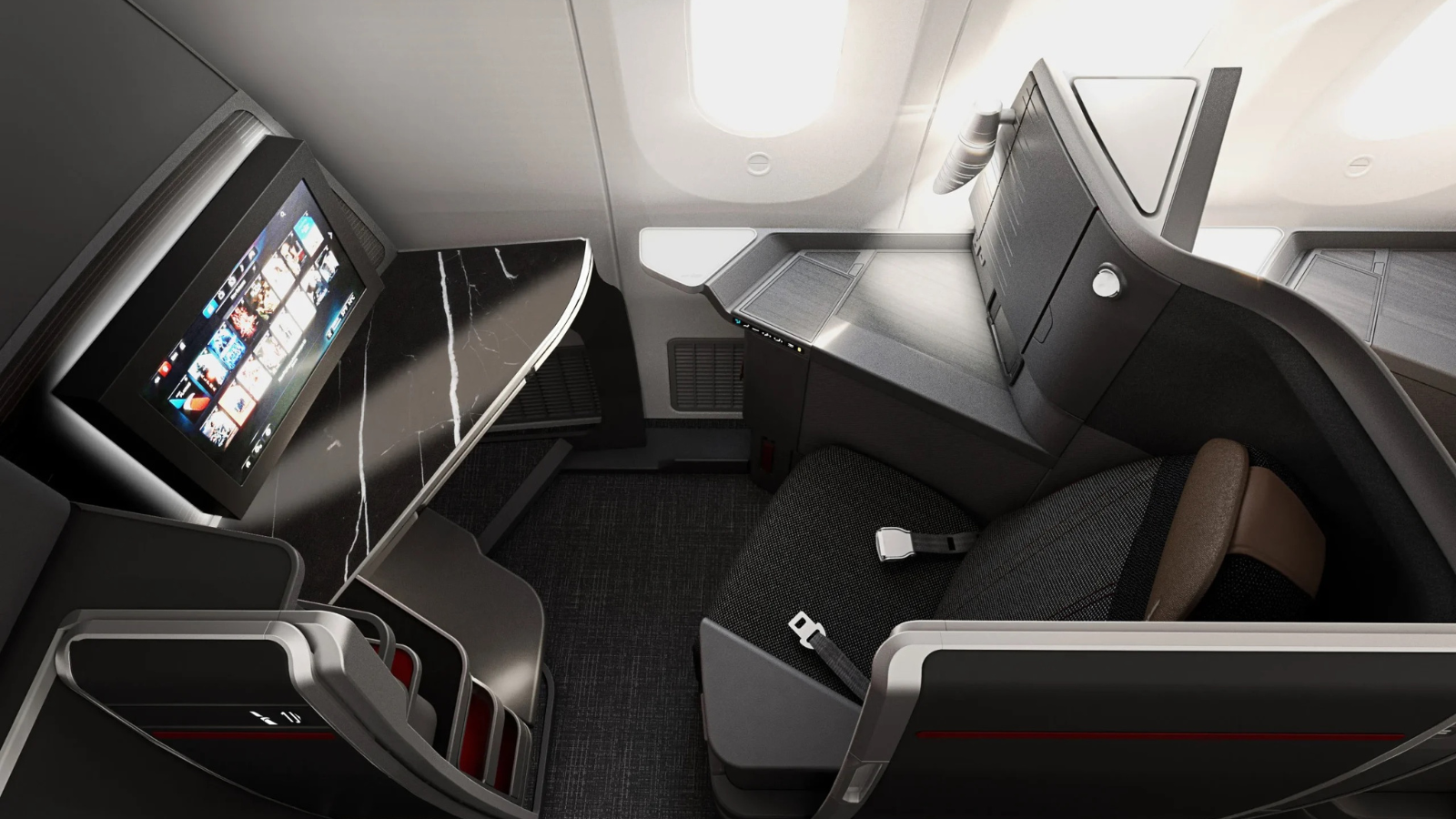
View of the current Flagship Business Cabin. Photo Courtesy: American Airlines
A Wider Industry Pattern
American is not acting alone in this shift. Airlines worldwide have steadily narrowed the gap between business and first class. Fewer carriers now operate dedicated first class cabins compared to just a few years ago.
Modern business class seats increasingly offer lie-flat beds and direct aisle access. Many also include privacy doors and elevated dining options onboard. As a result, first class no longer feels essential on every long-haul route.
The Bigger Picture
American Airlines first class is exiting on its own defined timeline at last. The move reflects a broader bet on consistency over exclusivity. Ultimately, American is betting that a stronger business class beats a shrinking first class.
For international travellers, that bet reshapes premium options on major US routes. Long-haul flyers gain more lie-flat seats but lose the smaller first class experience. Whether that trade pays off will depend on how the new cabin performs at scale.