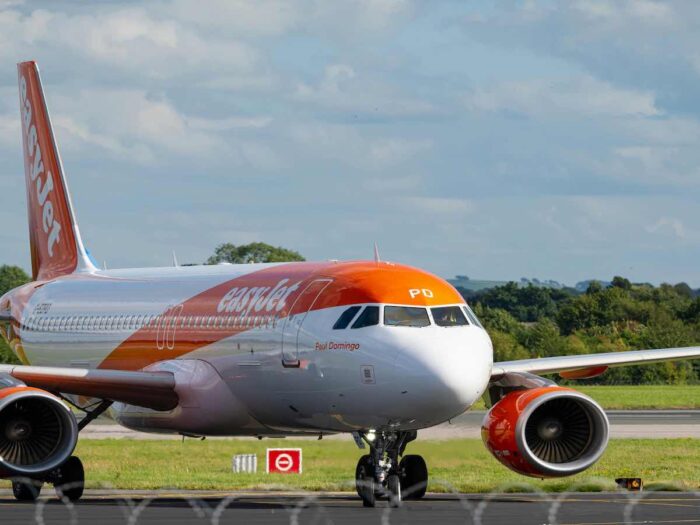
Apollo Global Management has agreed to buy EasyJet for approximately £5.7 billion, or $7.7 billion, in a deal announced on 6 August 2026. The agreement came just hours after rival bidder Castlelake withdrew from the takeover race, clearing Apollo’s path to acquire one of Europe’s largest budget airlines. Apollo will pay £7.15 in cash for each EasyJet share, representing an 81 per cent premium to the airline’s price before the current Middle East conflict began pushing up costs across the sector.
Apollo EasyJet takeover: A Bidding War That Ran for Months
Castlelake had submitted five separate bids for EasyJet before Apollo entered the contest in July, ultimately topping Castlelake’s most recent £5.5 billion offer. The rival firm walked away without giving a reason, ending the immediate contest just one day before both bidders faced a deadline to firm up their intentions. EasyJet’s board unanimously recommended Apollo’s offer, and the airline’s founder Stelios Haji-Ioannou confirmed his family’s support for the acquisition in a separate statement.
Why EasyJet Became a Takeover Target
EasyJet holds valuable landing slots at several major European airports, making it an attractive target for private equity even as rising fuel costs and regional instability weigh on the wider industry. The airline becomes the latest in a string of London-listed companies moving into private ownership, a trend accelerated by the FTSE 100 trading at a persistent discount to its American counterparts. Apollo, which manages roughly $1.05 trillion in assets and has previously invested in Sun Country Airlines, Aeromexico and Atlas Air, says it plans to accelerate EasyJet’s commercial ambitions under private ownership, including expanding its fast-growing holidays business.
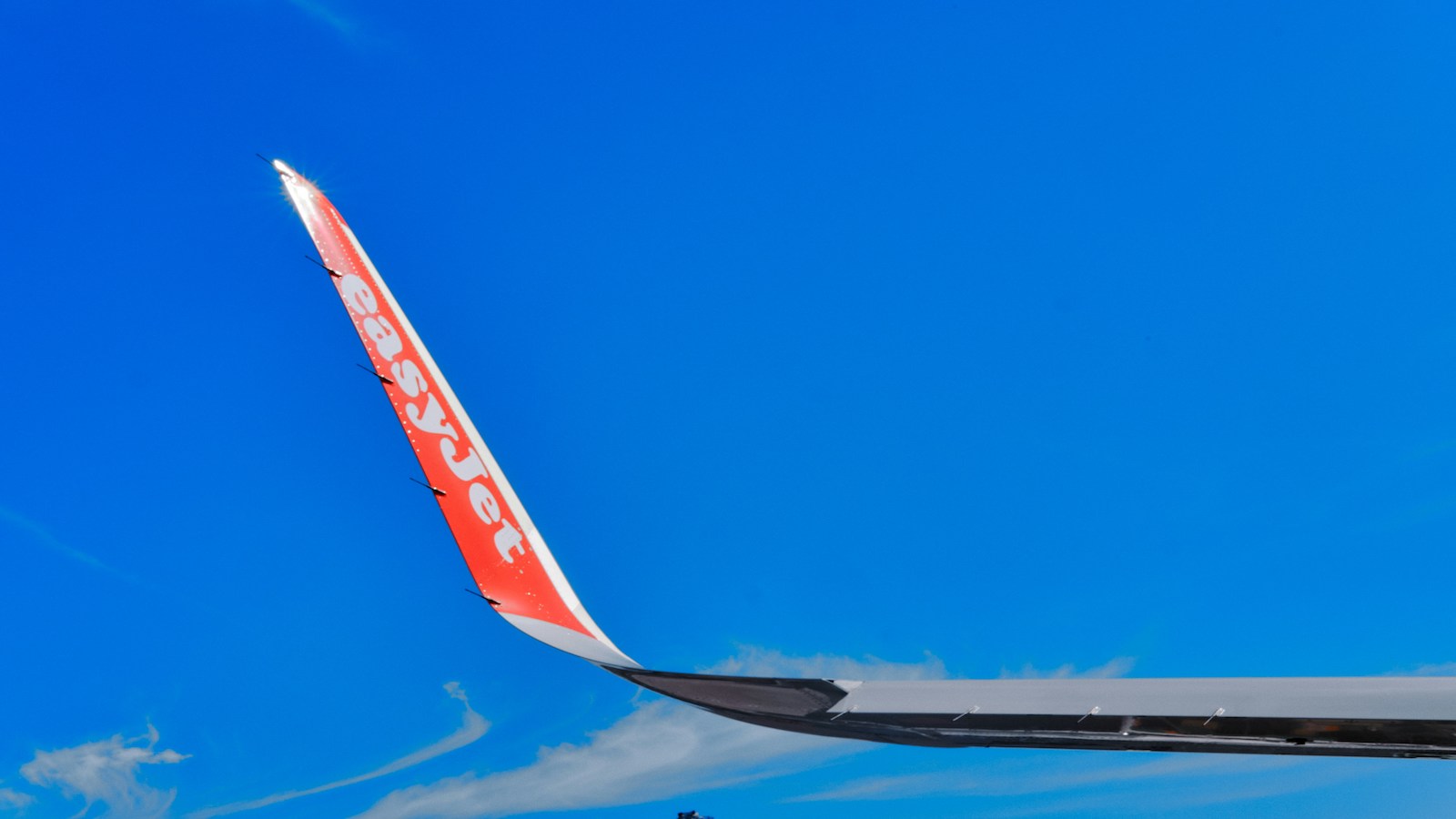
Wing of Easy Jet Aircraft. Photo Courtesy: Unsplash
Regulatory Hurdles Still Ahead
The transaction is not yet complete. It must still pass shareholder and court approval through a UK scheme of arrangement, along with the necessary regulatory clearances, before closing is expected by the end of the first quarter of 2027. Investors and regulators have also raised questions about how Apollo will satisfy European Union rules on airline ownership, given that EasyJet’s flying rights within the bloc depend on the airline remaining majority EU-owned and controlled.
What This Means for Travellers
For now, EasyJet will continue operating as usual while the deal moves through its approval process. Business and leisure travellers on EasyJet’s network are unlikely to see immediate changes, though private equity ownership often brings sharper cost discipline and renewed investment in growth routes over time. The deal is being closely watched as a bellwether for how private capital views the European aviation sector amid ongoing cost pressures.