
Travellers are turning to longevity clinics, biological age testing, glucose monitoring, and recovery therapies as the focus shifts from living longer to living better for longer.
A decade ago, most wellness retreats focused on relaxation. Travellers booked spa treatments, yoga sessions, and digital detox programmes in search of a temporary break from daily life. Today, a growing number of travellers arrive with a different objective. They want detailed health assessments, biological age testing, metabolic screenings, and personalised plans designed to improve long-term wellbeing.
This change has helped turn longevity science into one of the fastest-growing sectors in wellness. Longevity clinics are expanding across Europe, Asia, and the Middle East, while luxury hotels and wellness resorts are investing heavily in programmes that combine diagnostics, nutrition, fitness, recovery, and preventative healthcare. The goal is straightforward. People want more healthy years, greater physical resilience, and a better quality of life as they age.
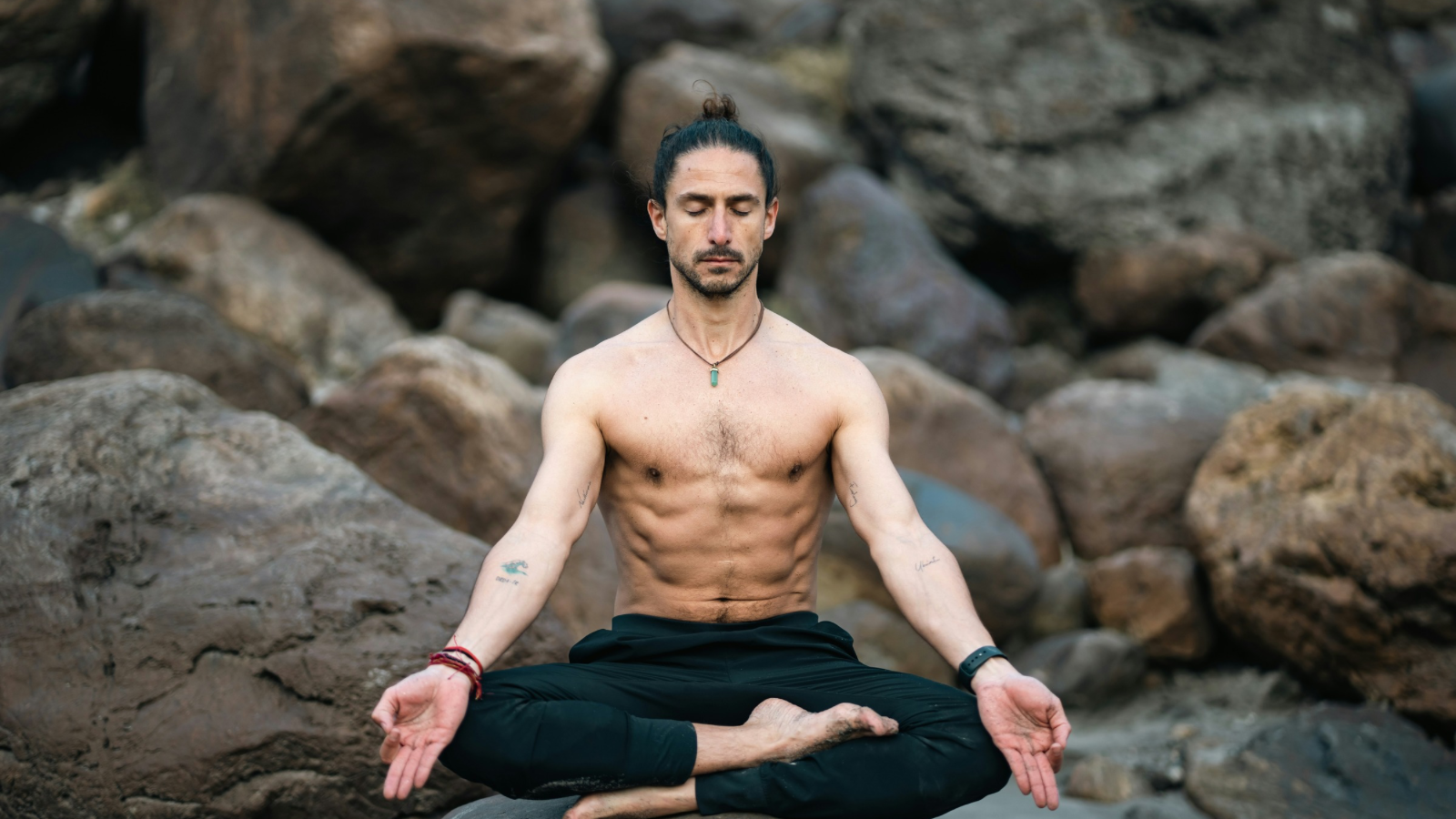
Image Courtesy: Unsplash
The rise of longevity clinics
Longevity clinics have become one of the most visible parts of this movement. Many facilities combine advanced medical testing with personalised wellness programmes. Guests often undergo blood analysis, metabolic assessments, cardiovascular screenings, sleep evaluations, and body composition testing before specialists create tailored recommendations. Leading destinations such as Switzerland, Spain, Singapore, and Thailand have emerged as important hubs for longevity tourism. Travellers increasingly view these programmes as investments in future health rather than traditional wellness escapes. As demand grows, clinics are attracting everyone from business executives and entrepreneurs to athletes and high-net-worth travellers.
Why biological age matters
Interest in biological age testing has grown rapidly alongside the broader longevity movement. Unlike chronological age, which simply measures the number of years a person has lived, biological age aims to assess how the body is ageing internally. Specialists use a range of biomarkers linked to metabolism, inflammation, cardiovascular health, and cellular function to generate these assessments. The concept appeals to consumers because it provides a measurable way to track health over time. It also gives people a framework for understanding how lifestyle choices influence long-term wellbeing. As a result, biological age testing has become a central feature of many longevity programmes.

Image Courtesy: Canva Pro
Glucose monitoring enters the mainstream
Continuous glucose monitors have also moved beyond their traditional role in diabetes management. Many health-conscious consumers now use the devices to understand how food, exercise, sleep, and stress affect their metabolism. The technology provides real-time feedback, allowing users to identify patterns and make more informed decisions about daily habits. Longevity specialists increasingly emphasise metabolic health because it plays an important role in overall wellbeing. This focus has helped drive wider adoption of glucose monitoring across the wellness sector.

Image Courtesy: Unsplash
Recovery therapies gain momentum
Recovery has become another major area of interest within the longevity industry. Cryotherapy, infrared saunas, red-light therapy, hyperbaric oxygen chambers, and cold-water immersion now feature prominently in many clinics and wellness resorts. Operators position these treatments as tools that support recovery, improve performance, and enhance wellbeing. At the same time, consumers are paying closer attention to sleep quality, stress management, and physical recovery. Together, these factors have created strong demand for therapies that complement broader health and wellness goals.
Separating science from hype
The rapid growth of the longevity industry has also created a crowded marketplace. Consumers can choose from countless supplements, therapies, tests, and wellness products that claim to support healthy ageing. While some interventions are backed by strong scientific evidence, others rely heavily on marketing and limited research. This has made credibility increasingly important. Travellers are paying closer attention to medical expertise, scientific validation, and measurable outcomes when evaluating longevity programmes. Industry experts continue to emphasise the importance of fundamentals such as exercise, nutrition, sleep, and stress management, all of which remain closely linked to long-term health outcomes.
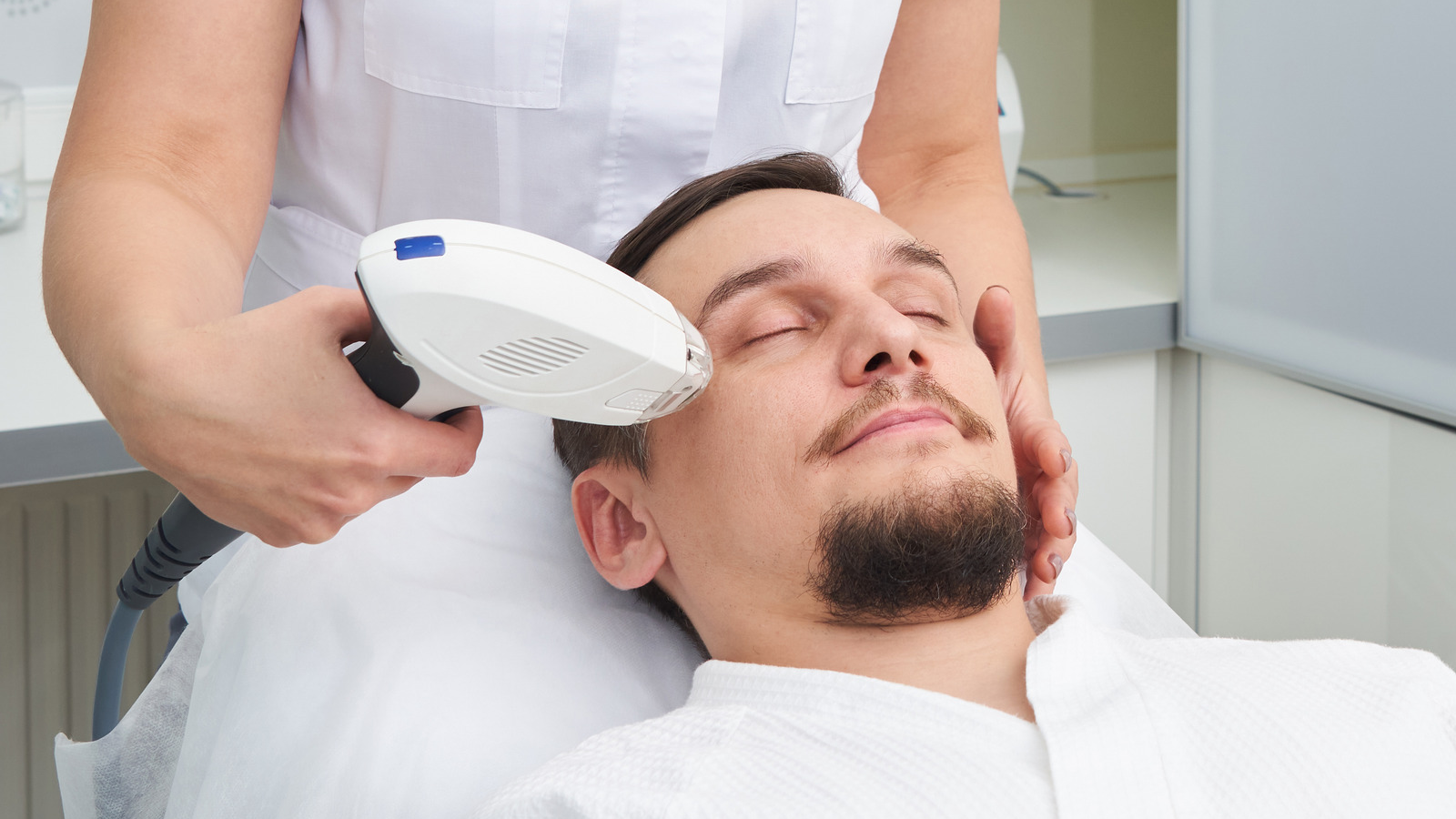
Image Courtesy: Canva Pro
A new chapter for wellness travel
The longevity boom reflects a broader shift in how people approach health. Travellers are becoming more proactive, more informed, and more willing to invest in preventative wellbeing. They are looking for ways to improve energy levels, maintain physical performance, support cognitive health, and remain active for longer. As longevity science continues to evolve, the industry is likely to attract even greater attention from both consumers and investors. The strongest programmes will combine scientific credibility with personalised care and practical lifestyle guidance. For travellers, the appeal is increasingly clear. The objective is not simply to add years to life. It is to improve the quality of those years and create a healthier future.
Key points
- Longevity science is driving growth across the wellness industry.
- Longevity clinics combine diagnostics with personalised health programmes.
- Biological age testing has become a major consumer trend.
- Glucose monitoring is gaining popularity among wellness travellers.
- Recovery therapies and preventative health are attracting growing interest.