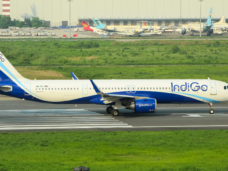
As trade, investment, and corporate expansion accelerate across the India Southeast Asia travel corridor, business travel is emerging as one of the most important forces shaping Asia’s aviation and hospitality sectors.
The future of travel is being shaped as much by boardrooms as by beaches. Across Southeast Asia, governments are strengthening economic partnerships, companies are expanding into new markets, and investors are directing capital towards some of the world’s fastest-growing economies. These developments are creating fresh opportunities for trade and investment, and they are also generating a new wave of travel demand that extends far beyond traditional tourism.
At the centre of this transformation sits India. As the country’s economy continues to expand and its global influence grows, India is strengthening ties with Southeast Asia across technology, manufacturing, finance, logistics, renewable energy, and digital services. Business leaders are travelling more frequently between the two regions, multinational companies are establishing new operations, and entrepreneurs are exploring markets that have become increasingly important to their growth ambitions.
The result is a network of travel corridors that now rank among the most strategically significant in Asia. These routes support tourism, but they also facilitate investment, corporate expansion, and commercial partnerships. For airlines, hotels, and destinations, they represent one of the region’s most compelling growth opportunities.
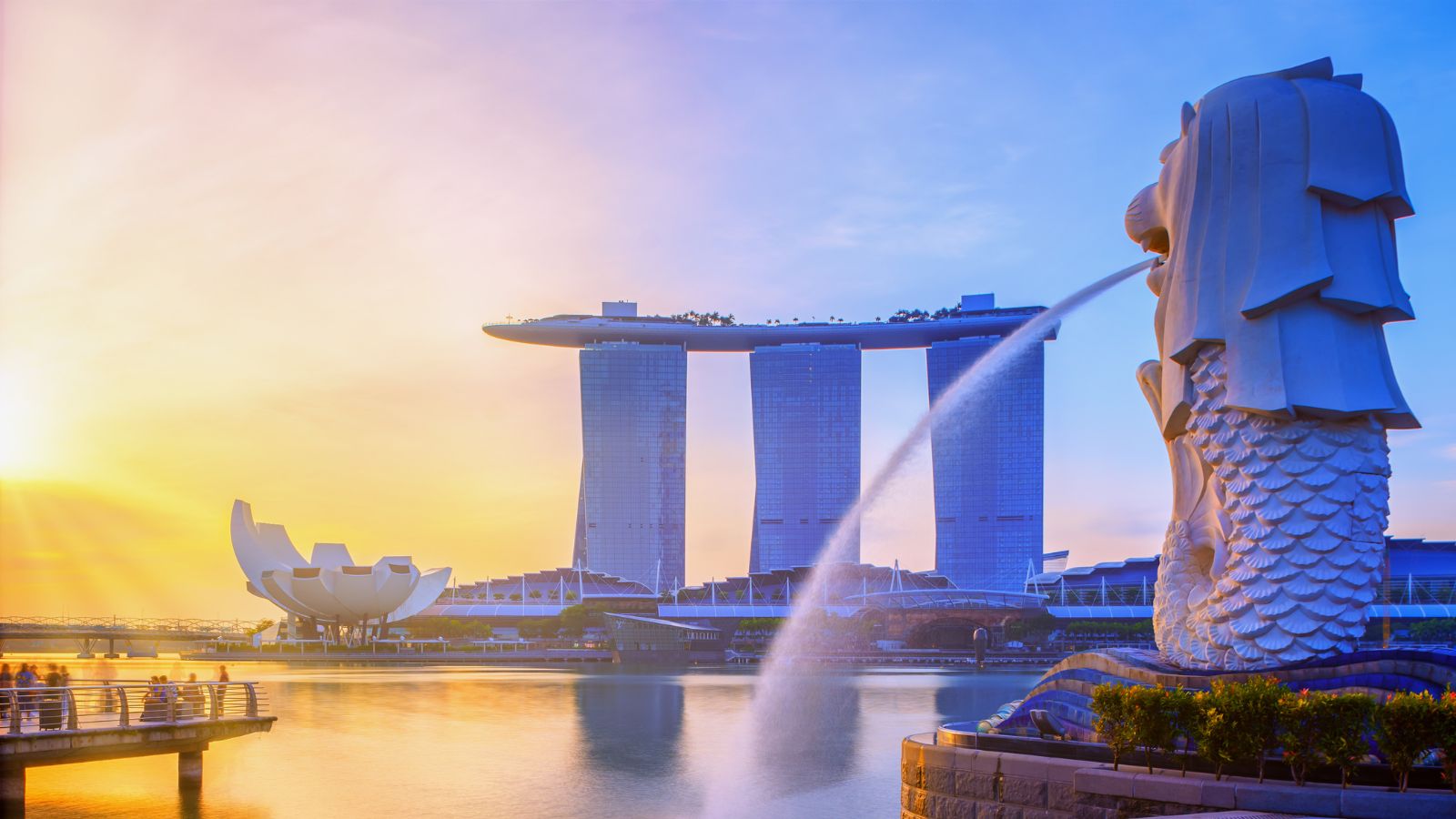
Image Courtesy: Canva Pro
Singapore remains the gateway
No market illustrates this relationship more clearly than Singapore. For decades, Singapore has served as India’s gateway to Southeast Asia. The city-state remains one of the largest sources of foreign direct investment into India, while Indian companies continue to use Singapore as a regional base for expansion across Asia. Financial institutions, technology firms, consulting companies, investment houses, and multinational corporations maintain extensive operations across both markets. This activity generates a steady flow of executives, entrepreneurs, and professionals throughout the year. The corridor also extends beyond traditional corporate travel. Startup founders travel to meet investors, professionals attend conferences and industry events, and entrepreneurs explore opportunities across regional markets. Combined with strong leisure demand, these factors have helped create one of Asia’s busiest and most resilient international travel routes. Airlines have responded accordingly. Carriers continue to add capacity between India and Singapore, while premium cabin demand remains particularly strong among business travellers. The route supports everything from investment activity and technology partnerships to corporate expansion plans and regional headquarters operations. As Singapore strengthens its position as a business hub, the importance of this corridor is likely to grow further.

Image Courtesy: Canva Pro
Vietnam emerges as a strategic market
While Singapore remains the most established example, Vietnam has become one of the most closely watched markets in the region. The country continues to attract international investment across manufacturing, technology, infrastructure, and consumer industries. At the same time, Indian businesses are increasing their presence across pharmaceuticals, information technology, renewable energy, engineering, and consumer goods. As commercial engagement grows, Vietnam is becoming an increasingly important market within the India Southeast Asia travel corridor. Executives are travelling to evaluate investment opportunities, suppliers are meeting manufacturing partners, and companies are building relationships that require regular movement between markets. This shift has elevated Vietnam from an emerging destination to a strategic market that features prominently in discussions about Asia’s economic future. The country’s manufacturing growth has become particularly significant. As global companies diversify supply chains, Vietnam is attracting businesses seeking production capacity and regional market access. This activity generates demand across the travel ecosystem, from airline connectivity and business hotels to meetings, incentives, conferences, and exhibitions that bring together decision-makers from multiple industries.
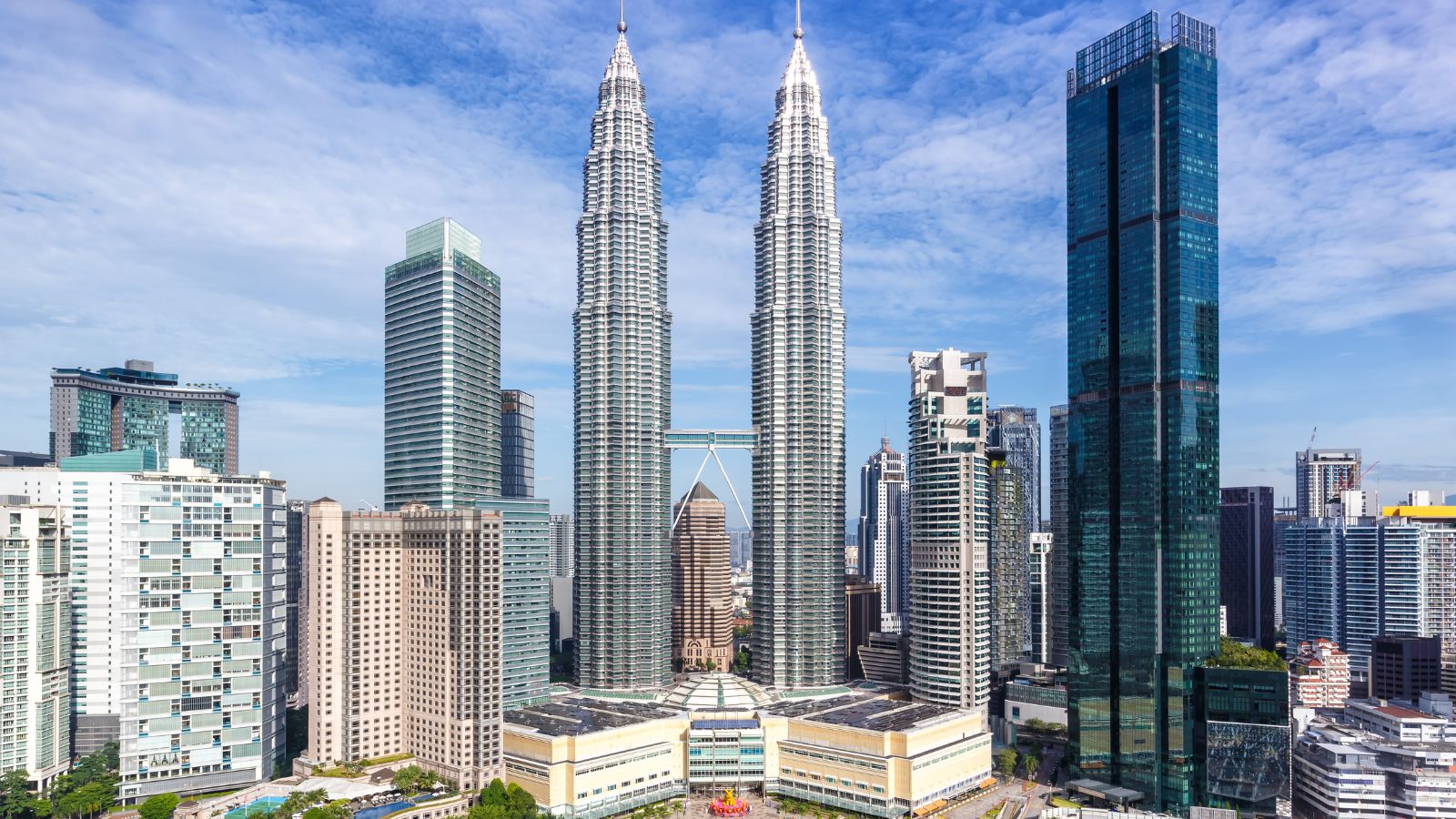
Image Courtesy: Canva Pro
Malaysia strengthens its regional role
Malaysia is experiencing a similar evolution. Long-standing cultural connections and established trade ties continue to support the relationship, while technology, innovation, life sciences, and digital services are creating new opportunities for collaboration. Kuala Lumpur remains an important regional business hub, and the city’s position continues to strengthen as companies expand across Southeast Asia. Its strategic location, developed infrastructure, and growing innovation ecosystem continue to attract businesses looking to build a regional presence. The impact is visible throughout the travel ecosystem. Airlines are improving connectivity between major commercial centres, hotels are catering to growing numbers of business travellers, and industry events are bringing together organisations seeking to expand their regional footprint. At the same time, sectors such as financial services, advanced manufacturing, healthcare, and technology are creating new reasons for travel between India and Malaysia. The result is a corridor that reflects both established economic ties and emerging opportunities.

Image Courtesy: Canva Pro
Indonesia attracts growing investment interest
Further east, Indonesia is attracting increasing attention from investors and businesses seeking exposure to Southeast Asia’s largest economy. Its scale, resource base, and expanding consumer market present opportunities across infrastructure, manufacturing, energy, mining, and digital industries. As trade relations between India and Indonesia continue to deepen, business travel is playing a growing role in supporting these commercial connections. Executives, investors, and industry specialists are travelling more frequently between the two countries as companies pursue opportunities across multiple sectors. Indonesia’s growing importance also reflects broader changes taking place across Southeast Asia. Businesses are increasingly looking beyond traditional commercial hubs and identifying opportunities in markets with strong domestic demand and long-term growth potential. This trend is encouraging airlines and hospitality companies to strengthen their presence across the region.
Why travel demand is changing
Taken together, these markets reveal a broader shift in how travel demand is being generated across Asia. For many years, business travel concentrated around a relatively small group of established financial centres. Today, economic growth is spread across a wider range of destinations, and companies are operating within increasingly interconnected markets.
Supply chains now span multiple countries, investment flows move more freely across borders, and businesses are pursuing opportunities wherever growth exists. As a result, travel patterns are evolving to reflect these new economic realities. A manufacturing company may manage operations across India, Vietnam, and Indonesia. A technology firm may maintain teams in Bengaluru, Singapore, and Kuala Lumpur. Investors may travel regularly between multiple markets as they evaluate opportunities and oversee projects. These relationships create sustained travel demand that extends beyond traditional business centres. The trend also reflects the growing integration of Asian economies. Governments are strengthening trade agreements, encouraging investment, and supporting initiatives that improve regional connectivity. As economic relationships deepen, travel naturally follows.
Why airlines and hotels are paying attention
The growth of the India Southeast Asia corridor is creating opportunities across the travel industry. Airlines are adding capacity, increasing frequencies, and strengthening networks between key commercial centres. Full-service carriers and low-cost airlines alike recognise the potential of these routes because demand comes from a mix of corporate travellers, entrepreneurs, investors, skilled professionals, and leisure passengers. Hotel groups are responding in a similar way. International brands continue to expand across Singapore, Kuala Lumpur, Ho Chi Minh City, Jakarta, and Bangkok, while also increasing their presence in Indian cities that generate significant outbound business travel. Many companies view these markets as long-term growth opportunities because investment, trade, and corporate activity create year-round demand. Unlike purely seasonal leisure destinations, business travel corridors often provide a more consistent source of occupancy and revenue. Tourism boards are adapting their strategies as well. Many now position themselves as centres for innovation, investment, entrepreneurship, and business events alongside traditional tourism promotion. Conferences, trade exhibitions, and industry gatherings are becoming increasingly important drivers of regional travel demand.
The corridor shaping Asia’s next chapter
The India Southeast Asia travel corridor’s evolution reflects a larger reality. Travel no longer follows economic development; it actively supports it. Every flight carries executives negotiating partnerships, entrepreneurs exploring opportunities, investors evaluating markets, and professionals building the relationships that drive trade and investment. As economic integration between India and Southeast Asia deepens, these journeys become increasingly important. The significance of the India-Southeast Asia corridor extends beyond passenger numbers or tourism arrivals. It reflects a broader transformation in how Asia conducts business, allocates investment, and pursues growth.
Stronger economic ties are creating stronger travel links, and those travel links are reinforcing commercial relationships across the region. For the travel industry, the implications are substantial. The next phase of growth will come not only from holidaymakers exploring new destinations, but also from the executives, investors, entrepreneurs, and professionals moving between India’s major cities and Southeast Asia’s emerging economic centres. As these connections continue to strengthen, they will reshape airline networks, influence hotel development, and redefine the geography of Asian travel. More importantly, they will help determine where the region’s next opportunities emerge and how businesses choose to pursue them.