Shurijo Castle (Okinawa):
The Main Hall Reopens This November, Rebuilt for the Fifth Time in 600 Years
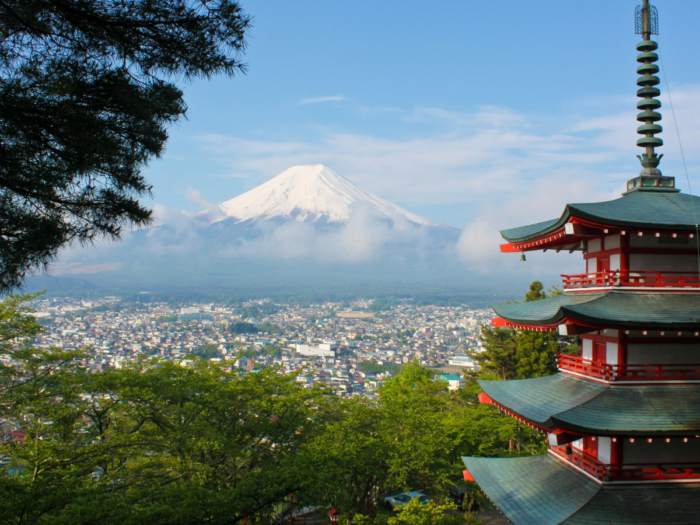
Located in Naha, the capital of Okinawa Prefecture, Shurijo Castle was the political, diplomatic, and cultural center of the Kingdom of Ryukyu, a monarchical state that existed for 450 years, from 1429 to 1879. As a thriving maritime trading hub, it served as a cultural bridge among Japan, China, and Southeast Asia, creating a unique heritage influenced by all three. In 2000, UNESCO designated the “Gusuku Sites and Related Properties of the Kingdom of Ryukyu” as a World Heritage Site.This collective designation spans nine key historical locations, including Shurijo Castle, that embody the kingdom’s unique cultural heritage.
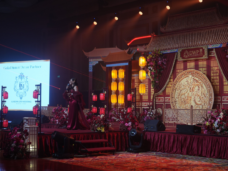
In October 2019, a fire destroyed nine buildings of the castle complex, including Seiden (the main hall). This marked the fifth major destruction of the castle in its 600-year history. Following a comprehensive restoration project that began in 2022, the Seiden is scheduled to reopen to the public this November, marking the completion of its fifth reconstruction. A completion ceremony is scheduled for November 22, with the site set to open to the public the following day.Traditional craftsmanship has been on display throughout the rebuilding process. Work on the main hall involves a team of specialists using traditional techniques. These techniques include the hand-application of many layers of vermilion lacquer, the creation of dragon-head roof ornaments unique to Ryukyuan architecture, and the processing of timbers, including wood sourced from Okinawa’s Yanbaru forests.Throughout the reconstruction, Shurijo Castle has operated under a “Reconstruction on Display” concept. Dedicated viewing platforms have allowed visitors to observe the artisans at work. Following the reopening, the completed Seiden will be displayed alongside a permanent exhibition documenting the techniques, material sourcing, and challenges of the project.
Shurijo Castle is unique in opening this process to public view, allowing visitors to see the distinctive Ryukyuan craft traditions, from timber work to lacquering, that are bringing the complex back to life. Prior to the public opening of the main hall, the Shurijo Castle Reconstruction Festival will be held from November 1 to 3. Taking place at Shurijo Castle Park and Kokusai-dori Street in Naha, the three-day event will feature a procession of the Ryukyu King and Queen, traditional Okinawan performing arts, and a reenactment of the “Pilgrimage to the Three Temples” by Ryukyu Kings.
Click on these links for more info:
Shurijo Castle Park
Shurijo Castle 2026: MACHIKANTY
Himeji Castle (Hyogo). Photo Courtesy: Unsplash
Himeji Castle (Hyogo): Masterpiece of Survival and Stewardship
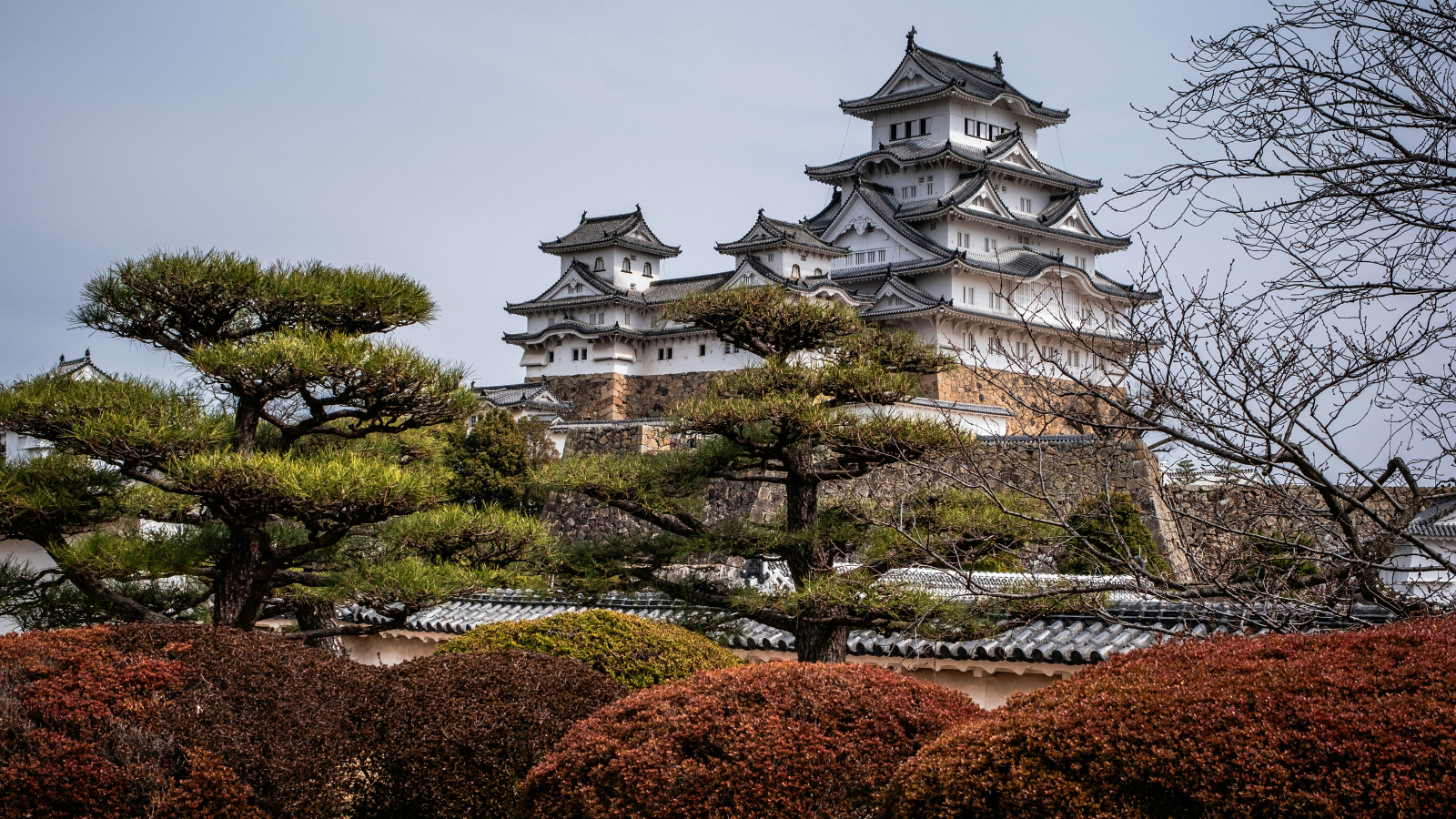
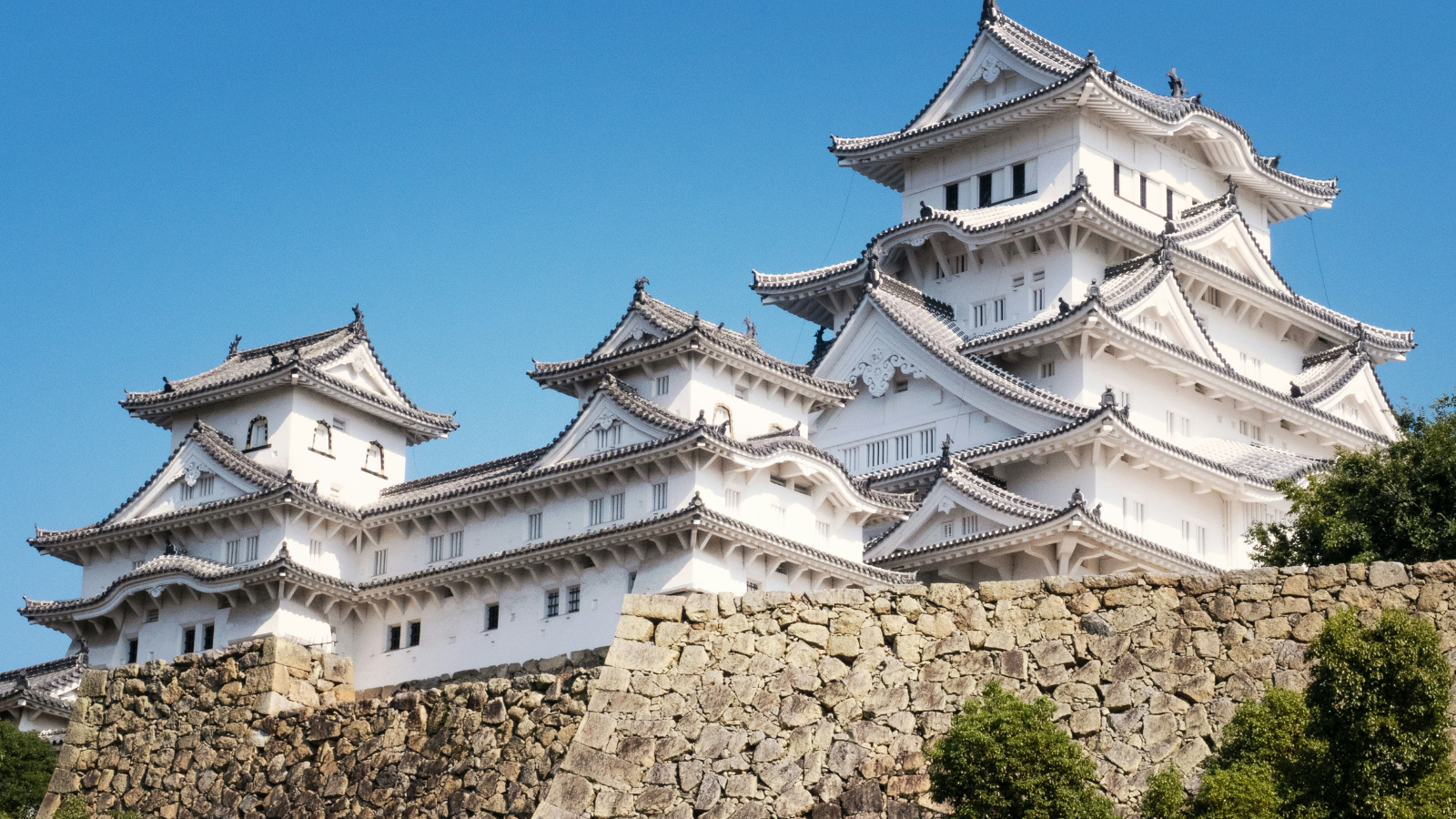
Located in Hyogo Prefecture, Himeji Castle is one of Japan’s most celebrated castles and stands as one of the premier surviving examples of early 17th-century Japanese castle architecture. While many castles across Japan were lost, Himeji Castle’s main structures still stand. The complex survived the demolitions of the Meiji period, the air raids of World War II, and numerous natural disasters. Today it retains much of its early 17th-century appearance. It was designated a UNESCO World Heritage Site in 1993, marking one of Japan’s first World Heritage designations. The castle’s main keep is one of five in Japan designated as a National Treasure by the Japanese government. Known colloquially as the “White Heron Castle” (Shirasagi-jo), its appearance comes from the white plaster that covers both the walls and the seams between roof tiles — a finish that also served as fire protection.
Himeji Castle has been preserved through the combined efforts of conservation experts, government agencies, and local volunteers who regard the landmark as both a national treasure and a source of community pride. Citizen-led organizations promote conservation through lectures, guided walks, workshops, and volunteer clean-up activities. They also raise public awareness during major restoration projects, including the Great Heisei Restoration (2009–2015). To help pass this cultural heritage on to future generations, Himeji Castle introduced free admission for all visitors under 18, regardless of nationality or place of residence, beginning in March 2026. At the same time, a new pricing structure took effect for visitors aged 18 and over, with different admission fees for Himeji residents and non-residents, to support the preservation and stewardship of the World Heritage site.
Click on the link for more info:
Himeji Castle
Himeji Castle (Hyogo). Photo Courtesy: Unsplash
Inuyama Castle (Aichi): Walk Through an Edo-Period Castle Town
Located 30 minutes from Nagoya by express train, Inuyama Castle in Aichi Prefecture is said to be home to Japan’s oldest surviving original wooden castle keep. Dating to around 1537, it is one of only 12 castles in Japan to retain its original main tower, earning designation as a National Treasure. Set atop a hill some 85 meters above sea level, overlooking the Kiso River, the castle’s wooden keep preserves its authentic interior, including steep staircases, original structural timbers, and defensive features such as ishi-otoshi openings for dropping stones and firing on attackers below. From the top-floor balcony, visitors can enjoy sweeping views across Aichi and neighboring Gifu Prefecture.
Inuyama is one of the few urban centers in Japan where both the historic keep and its surrounding castle town (“jokamachi”) escaped destruction during World War II and natural disasters. The resulting townscape preserves layout elements characteristic of the Edo period (1603-1868) .
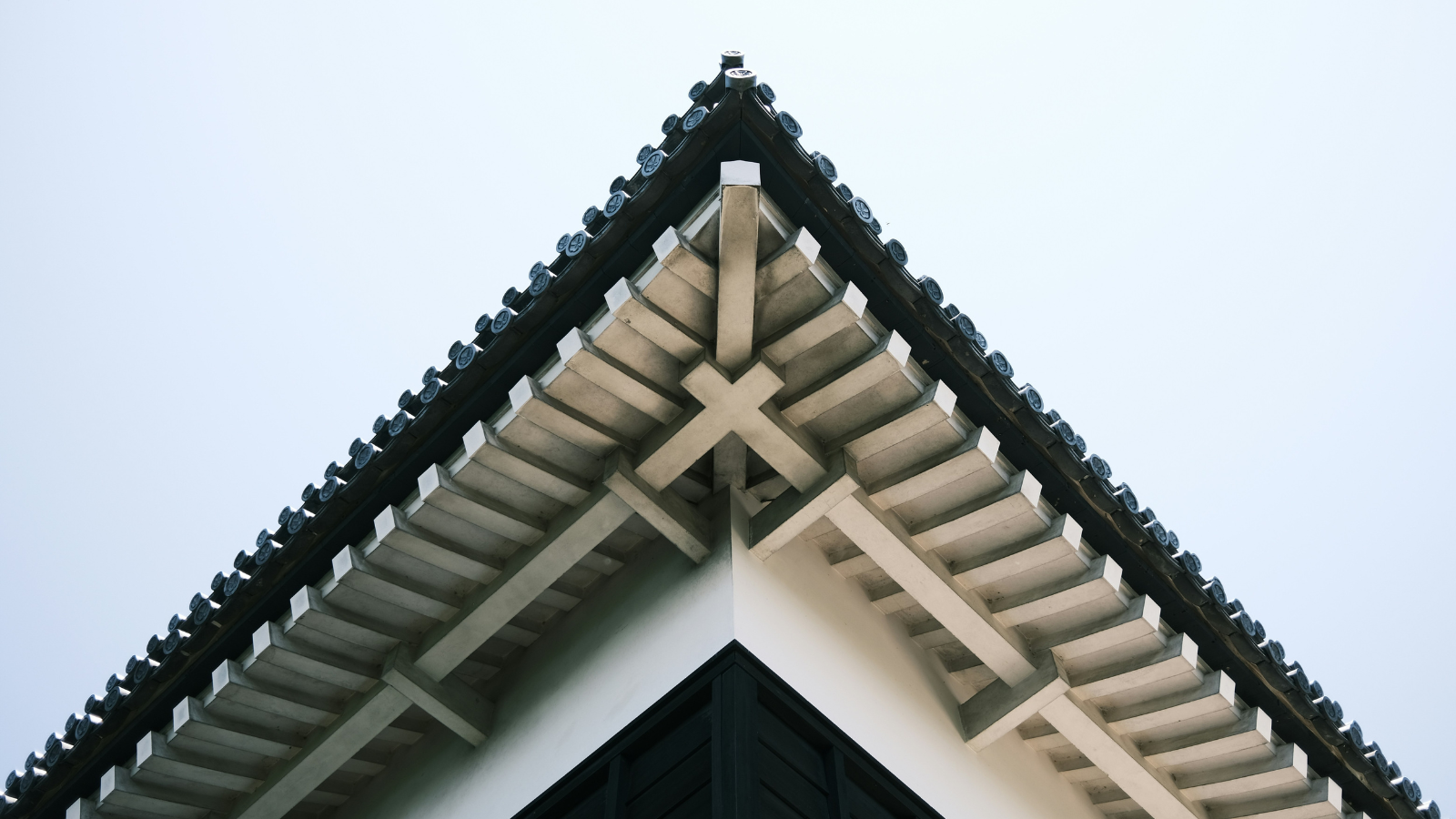
Inuyama Castle (Aichi). Photo Courtesy: Unsplash
Honmachi-dori, a 600-meter-long main street connecting Inuyama Station to the entrance of Inuyama Castle, is lined with more than 60 shops, cafes, and restaurants. Visitors can experience the charm of an Edo-period castle town while sampling local specialties such as gohei-mochi (skewered rice cakes with a sweet and savory glaze). At the end of the street stands Sanko Inari Shrine, located at the foot of Inuyama Castle and renowned for blessings related to love and relationships. Its rows of pink, heart-shaped ema (votive plaques) have become a popular photo spot. Nearby, the Urakuen Japanese Garden offers visitors a glimpse into traditional tea culture with Joan, a National Treasure teahouse. Every April, the UNESCO Intangible Cultural Heritage-designated Inuyama Festival transforms the town with 13 magnificent floats and spectacular karakuri mechanical puppet performances, continuing a tradition that dates back to 1635.
Click on these links for more info:
National Treasure Inuyama Castle
Inuyama Castle Downtown Area
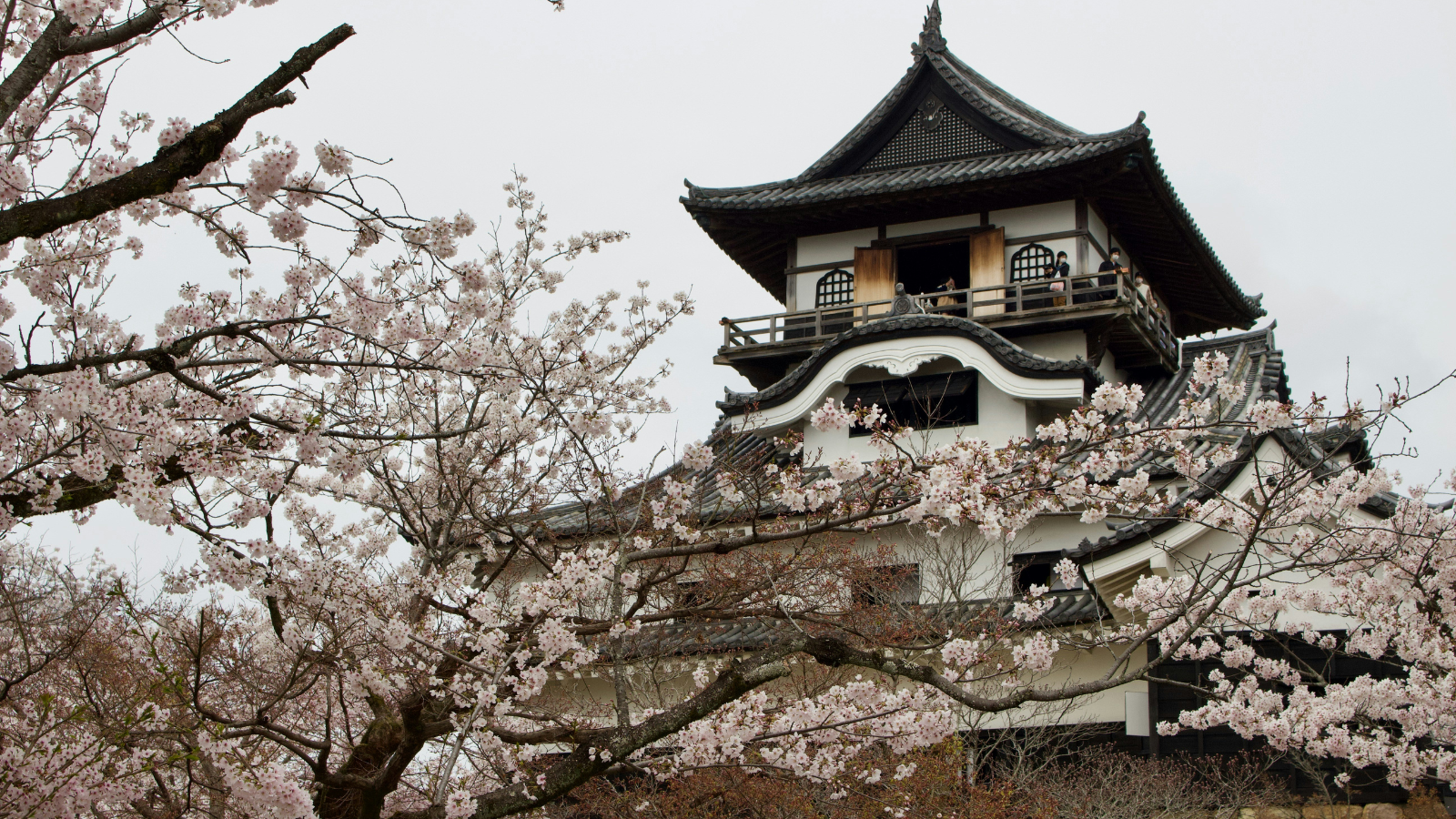
Inuyama Castle (Aichi). Photo Courtesy: Unsplash
Ozu Castle (Ehime): Sleep Like a Feudal Lord in a Reconstructed Keep
Located in the Nanyo region of western Ehime Prefecture, Ozu Castle rises above a bend in the clear Hiji River. Its four-tiered wooden keep was rebuilt in 2004 after a decade-long project and is regarded as one of the most historically faithful castle reconstructions in Japan.
Following the Meiji Restoration, the castle’s main keep was demolished in 1888. Revived through extensive research using historical records and traditional carpentry techniques, the timber reconstruction was completed as one of Japan’s most accurate modern wooden castle reconstructions. The project also sparked the preservation of Ozu’s historic buildings and the transformation of former residences into accommodations, revitalizing the castle town.
The Ozu Castle Stay was launched in 2020 as Japan’s first overnight program inside a castle keep. A single group of two to six guests, children included in the count, enjoys exclusive use of the keep and its two Important Cultural Property turrets from late afternoon until the following morning. Because the wooden keep has no climate control, stays are offered outside August and the coldest winter months. The luxury program is limited to 30 groups per year.
Conceived as “living history,” the stay recreates the ceremonial arrival of Ozu’s first feudal lord in 1617. Guests don armor, receive a welcome from a banner-bearing procession and a matchlock salute from the Ozu Matchlock Corps — who still fire Edo-era guns — then watch performances of Fujinawa kagura (a sacred dance and music designated a prefectural folk cultural property) before a banquet featuring local specialties such as Akane wagyu beef and regional sake. Exclusive to Ozu Castle Stay guests, the Castle Lounge and Bathhouse offer breathtaking views of Ozu Castle’s magnificent keep, illuminated at night. Guests can relax in comfort while enjoying premium amenities, including Ozu silk SILMORE products and 100% organic cotton towels, robes, and nightwear by IKEUCHI ORGANIC.
Click on these links for more info:
Ozu Castle (Ozu City)
Ozu Castle Stay
Power and Beauty of Japan’s Castles: Insights from Architectural Historian Jennifer Mitchelhill
Architectural historian Jennifer Mitchelhill, an Education Fellow in History and Theory at the University of Melbourne, has spent over two decades researching the history, architecture and cultural significance of Japan’s castles. Her fieldwork across the country resulted in two books, Castles of the Samurai: Power and Beauty (2003) and Samurai Castles (2018), which introduce English-speaking readers to the engineering behind these fortresses.
Mitchelhill’s fascination with Japanese castles began 25 years ago when a chance encounter with the ruins of Kanazawa Castle in Ishikawa Prefecture sparked a lifelong passion. She and her husband, photographer David Green, discovered the site just as major restoration work was about to begin, and she began documenting it for her academic coursework, noting a lack of comprehensive English-language resources on the subject. To address this gap, the couple traveled extensively across Japan to research castles. Their efforts culminated in their latest book, Samurai Castles, which profiles 24 properties through photography, site plans, and historical analysis. This and the first book focus on castles that retain an original pre-modern keep (“tenshu”) or original structural components.
Mitchelhill highlights that Japanese castles were notable not only for their defensive functions but also for their beauty. No two were alike. Even castles built by the same family differed from one another in their layout, architecture, and decorative details. Through her research, she became fascinated by the stories behind castles: their locations, builders, resources, rapid construction, and the political struggles of their occupants. Most surviving “early modern” castles were built during the turbulent period of 1575–1615, reflecting rapid power shifts before the Edo period of stability. Unlike many European castles, which often centered on massive stone fortifications, Japanese castles relied on complex layouts of enclosures, moats, and towers to confuse and deter attackers.