I think the hospitality industry has become very good at remembering guests. I am not always sure we have become equally good at understanding them.

Photo Courtesy: Four Seasons Hotel Al Maryah Island
Data Is Not Personalisation
Today, hotels can retain an extraordinary amount of information: room preferences, favourite drinks, dietary requirements, travel patterns, birthdays and anniversaries. All of this is useful. But data is not personalisation. It simply gives us more context.
The real skill is knowing what matters to a guest in that particular moment. A returning guest may normally enjoy conversation. After a 14-hour flight, however, the most thoughtful thing we can do may be to recognise that they are tired, keep the welcome brief, and get them to their room quickly. That is why I believe reading the moment is more important than simply remembering the preference.
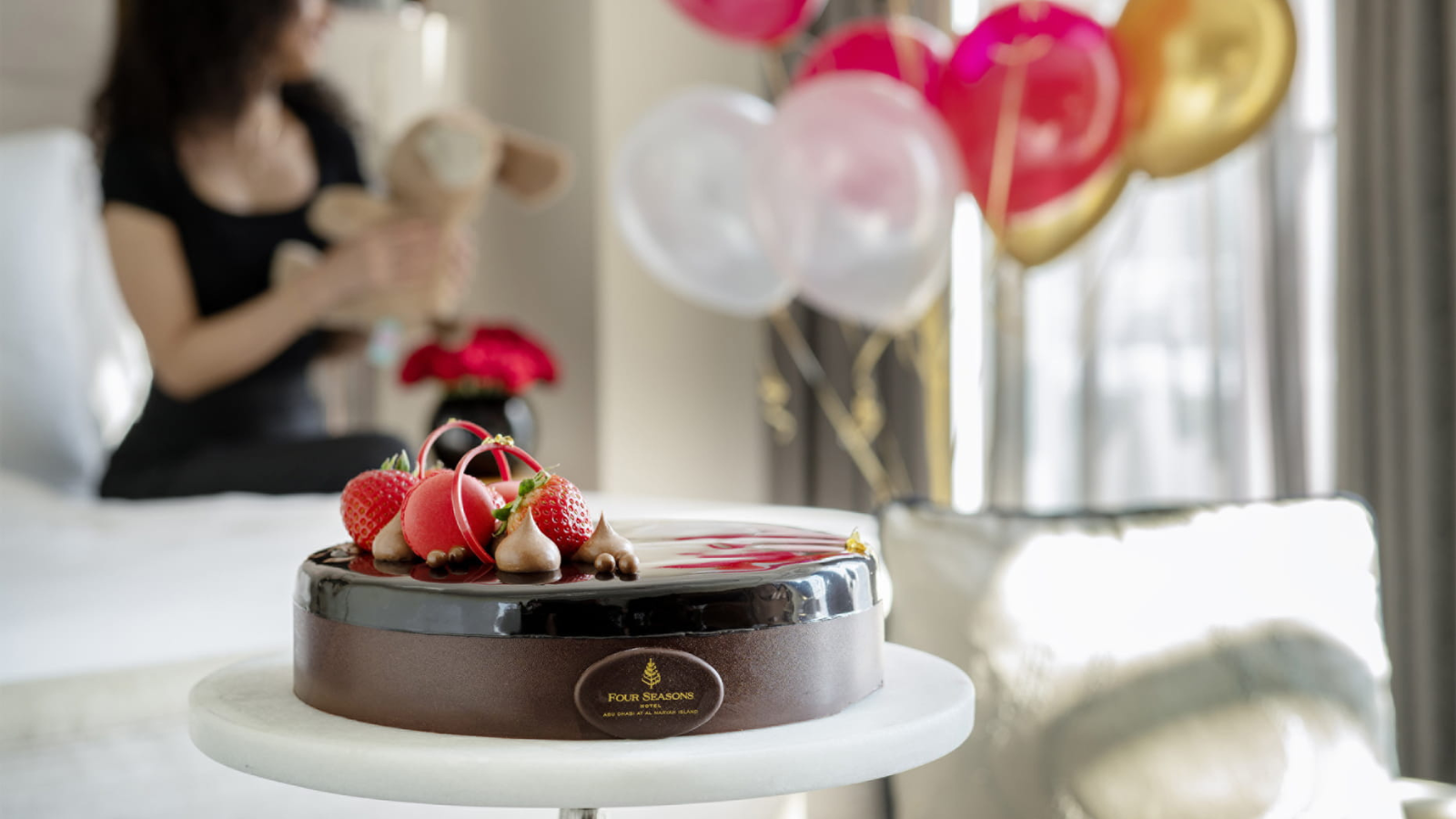
Photo Courtesy: Four Seasons Hotel Al Maryah Island
Why More Isn’t Always Better
One of the mistakes we make in luxury hospitality is assuming that more personalisation must always be better. It is not.
Personalisation can become uncomfortable when we try too hard to demonstrate how much we know. A guest should feel that we remember them, not that we have studied them. Sometimes the best service is discreet and almost invisible, yet still deeply felt by the guest.
For frequent business travellers, this is especially true. Luxury is not always about doing more. Often, it is simply about making things easier. It means not having to explain the same preference again, not waiting unnecessarily, not going through ceremony when all you want is efficiency, and not having to ask twice.
Sometimes doing less is the more personalised response. It’s the relevant and thoughtful recognition that creates real, long-lasting memories.
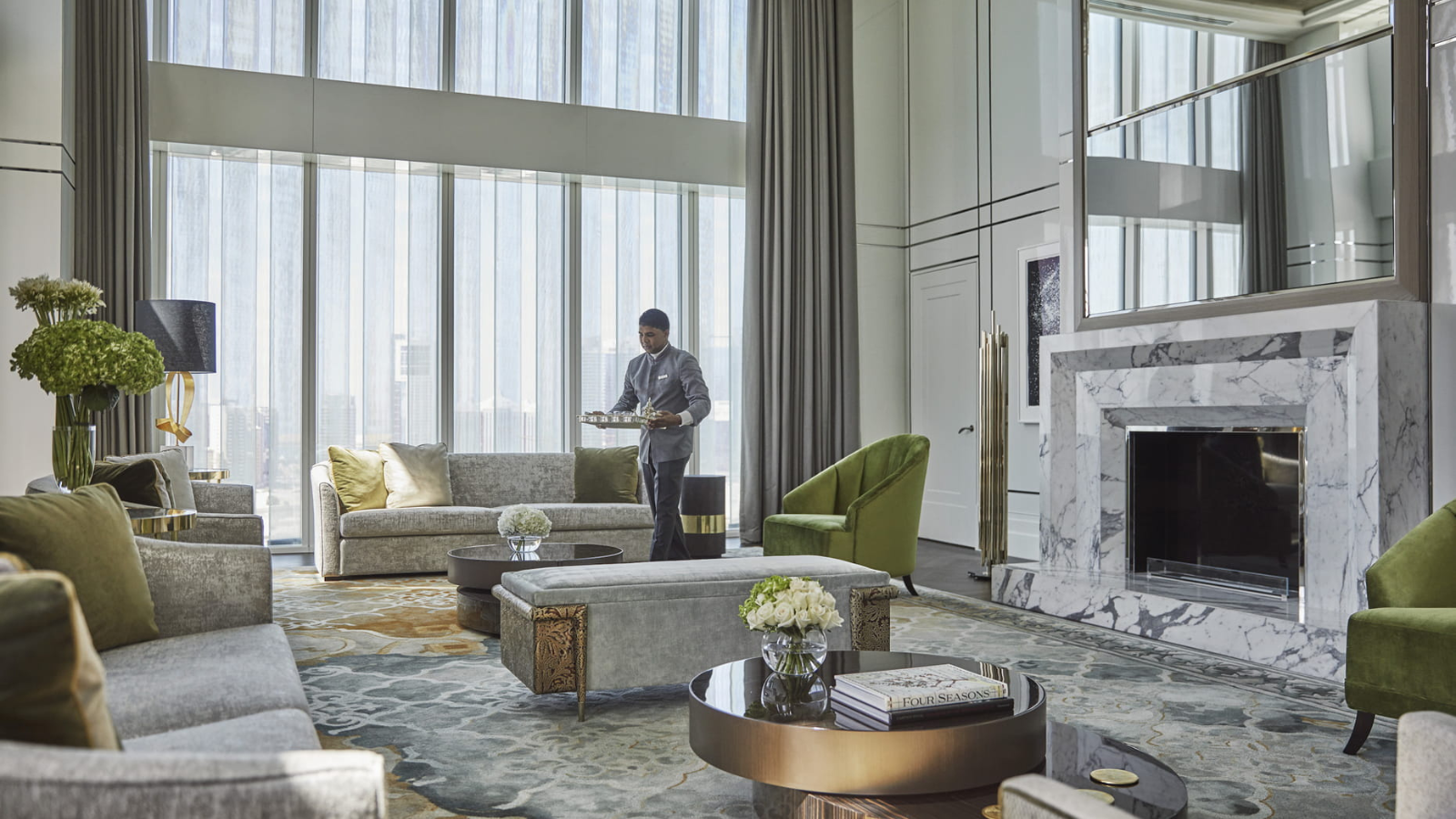
Butler Service. Photo Courtesy: Four Seasons Hotel Al Maryah Island
The Power of “Golden Nuggets”
Over the years, I have also learned that some of the most useful information about a guest rarely comes from a formal profile. It comes from small conversations.
Someone mentions that their daughter loves Formula One. A guest talks about a restaurant they discovered on their last visit. Another says, almost in passing, that tomorrow is an important meeting. I think of these details as “golden nuggets.” But the real skill is in reading between them, connecting the dots, and turning what we know into genuine care for the guest.
The important part is not simply collecting them. It is what happens next. Does that information move naturally between colleagues? Does somebody recognise an opportunity to use it? And perhaps more importantly, do they have the judgment to know when not to?
Where Technology Ends and Judgment Begins
Technology helps enormously here. At Four Seasons, Abu Dhabi, guest profiles allow our teams to have details at hand and create continuity from one stay to the next.
But technology can only take us so far. A system can tell me what a guest preferred yesterday. It cannot always tell me what they need today. It cannot fully read a pause, a change in tone, a tired expression, or the difference between someone who wants conversation and someone who wants quiet. That still comes down to people.
Photo Courtesy: Four Seasons Hotel Al Maryah Island
The Question That Guides Our Teams
I often ask our teams one simple question: How can I make this guest’s stay more memorable?
The answer is rarely something extravagant. Sometimes it is simply noticing something, remembering it, and acting on it at the right time. Sometimes it is removing a small frustration. And occasionally, it is having the confidence to do nothing at all.
That is the part of hospitality I find most interesting. Hotels can replicate design, products and technology surprisingly quickly. What is much harder to replicate is the judgment of a person who understands what a guest needs in that moment and responds in a way that feels natural.
And that, to me, is why personalised service remains the true luxury.
Words by Bob Suri, General Manager at Four Seasons Hotel Abu Dhabi