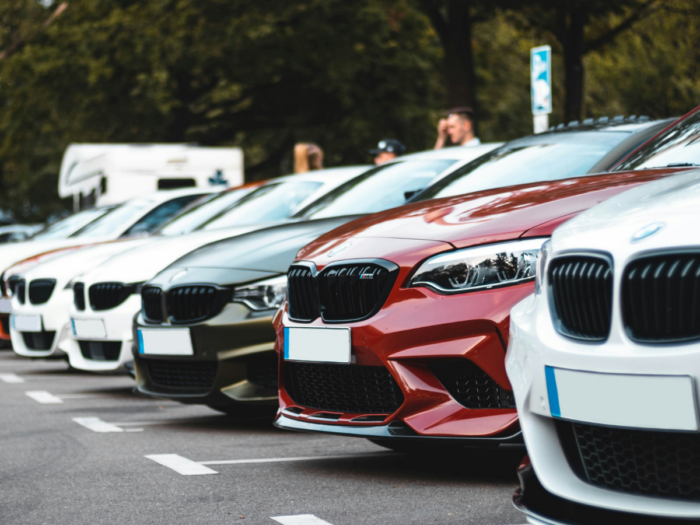
Rising incomes are no longer pushing every buyer towards a brand-new vehicle. Instead, more consumers are turning to the used-car market as they seek better value, larger vehicles, and smarter financial decisions.
For years, rising incomes followed a predictable pattern. As household earnings increased, consumers upgraded to a new car. Today, that relationship is changing. Across India, more buyers are choosing used vehicles even as incomes continue to rise and new-car sales remain strong. The shift reflects a broader change in consumer behaviour. Increasingly, buyers view pre-owned cars as a practical financial decision rather than a compromise. The transformation is reshaping one of the country’s largest consumer markets. Improved financing, greater transparency, organised retail platforms, and rising vehicle prices have all encouraged consumers to reconsider what value looks like. As a result, the used-car market is growing faster and attracting a wider range of buyers than ever before.
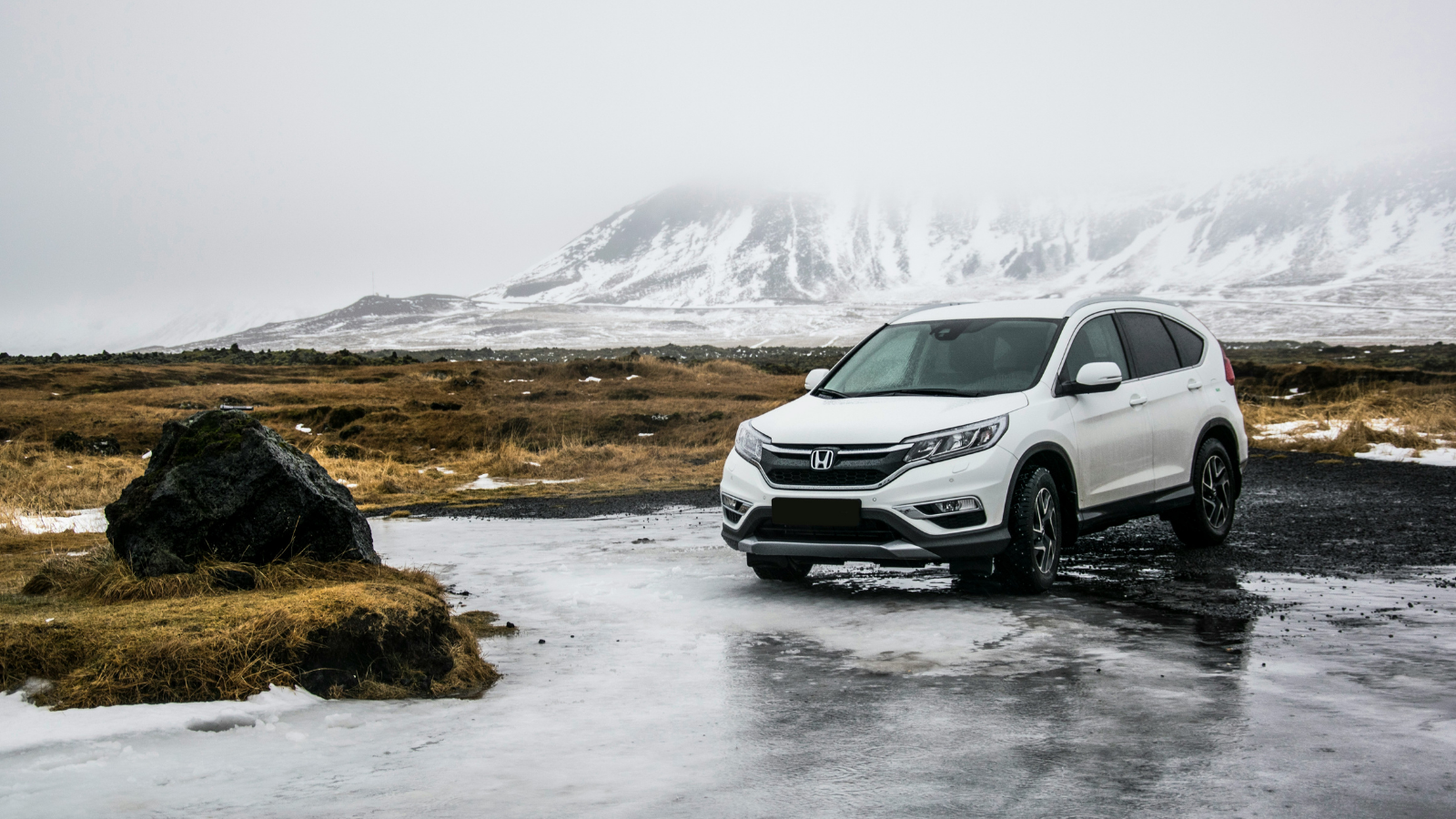
Image Courtesy: Unsplash
Value is becoming more important than ownership
The biggest change lies in how consumers evaluate a purchase. A decade ago, many buyers associated a new car with status and success. Today, a growing number of consumers focus on value instead. They compare depreciation, ownership costs, insurance premiums, and financing options before making a decision. For many households, a used vehicle offers access to a larger or more premium model for the same budget. Instead of purchasing an entry-level new car, buyers can often afford a better-equipped SUV or a higher-specification vehicle in the pre-owned market. This shift reflects a more mature consumer mindset. Buyers continue to aspire to better vehicles, but they increasingly want those purchases to make financial sense.
Rising prices are changing buying decisions
New vehicles have become significantly more expensive in recent years. Higher input costs, regulatory requirements, safety upgrades, and technology features have increased vehicle prices across multiple segments. As a result, many consumers now view used cars as a more affordable path to ownership. The price gap between new and used vehicles has become particularly attractive in categories such as SUVs, where demand remains strong but purchase costs continue to rise. For many buyers, the decision is straightforward. A lightly used vehicle often delivers similar functionality while requiring a lower financial commitment.
Trust is transforming the used-car market
The used-car industry has also changed dramatically. Traditionally, buyers worried about vehicle condition, hidden defects, and unclear ownership histories. Today, organised platforms, certified inspection programmes, digital marketplaces, and vehicle history reports are helping address those concerns. Greater transparency has encouraged more consumers to enter the market. Financing options have improved as well, making it easier for buyers to secure loans for pre-owned vehicles. Together, these developments have helped transform used cars from a secondary option into a mainstream purchase category.
SUVs are driving demand
Changing consumer preferences are also influencing the market. Many buyers want larger vehicles with stronger safety credentials, higher seating positions, and additional features. However, new SUVs often sit beyond the budget of first-time buyers and younger households. The used-car market provides an alternative route. Consumers can access larger and more desirable vehicles without stretching their finances. This trend has become particularly visible among urban buyers who prioritise practicality and value over owning the latest model. As a result, demand for pre-owned SUVs continues to grow across multiple price segments.

Image Courtesy: Unsplash
A market entering a new phase
Industry data highlights the scale of the shift. Pre-owned car sales in India reached approximately 6.1 million units in FY26, compared with 5.6 million units a year earlier. New-car sales also grew, yet the used-car market expanded at a faster pace. Analysts expect this momentum to continue as organised players expand their presence and financing becomes more accessible. Several industry forecasts also suggest that India could become one of the world’s largest used-car markets over the coming years. The growth signals more than a temporary trend. It reflects a broader shift in how consumers think about ownership, affordability, and long-term value.
Why the used-car market will keep growing
The success of the used-car market reflects changing priorities rather than changing aspirations. Consumers still want better vehicles, improved comfort, and stronger features. However, they increasingly weigh those ambitions against financial realities and long-term ownership costs. As transparency improves and organised platforms continue to grow, the distinction between new and used ownership is becoming less significant for many buyers. For India’s automotive industry, that shift marks the beginning of a new era. Increasingly, consumers are choosing the vehicle that offers the best value rather than simply the newest one. That change is helping drive the rapid growth of the country’s used-car market.
Key points
- More Indians are choosing used cars despite rising incomes.
- Buyers increasingly prioritise value over ownership status.
- Rising new-car prices are driving interest in pre-owned vehicles.
- Organised platforms have improved trust and transparency.
- Demand for pre-owned SUVs continues to grow.