Japan is introducing private rooms on its busiest bullet trains while increasing tourism-related taxes, highlighting the country’s efforts to enhance visitor experiences and manage record tourism growth.
Japan is reshaping the travel experience for both domestic and international visitors. The country is introducing private rooms on select high-speed Shinkansen services while also rolling out higher tourism taxes across several destinations. Together, these changes reflect a broader strategy. Japan wants to improve premium travel experiences, yet it also wants to manage the pressures created by record visitor numbers. The developments come as Japan continues to attract growing numbers of international travellers. Popular destinations such as Tokyo, Kyoto, and Osaka are experiencing strong demand, and authorities are increasingly looking for ways to balance tourism growth with infrastructure investment and sustainability.
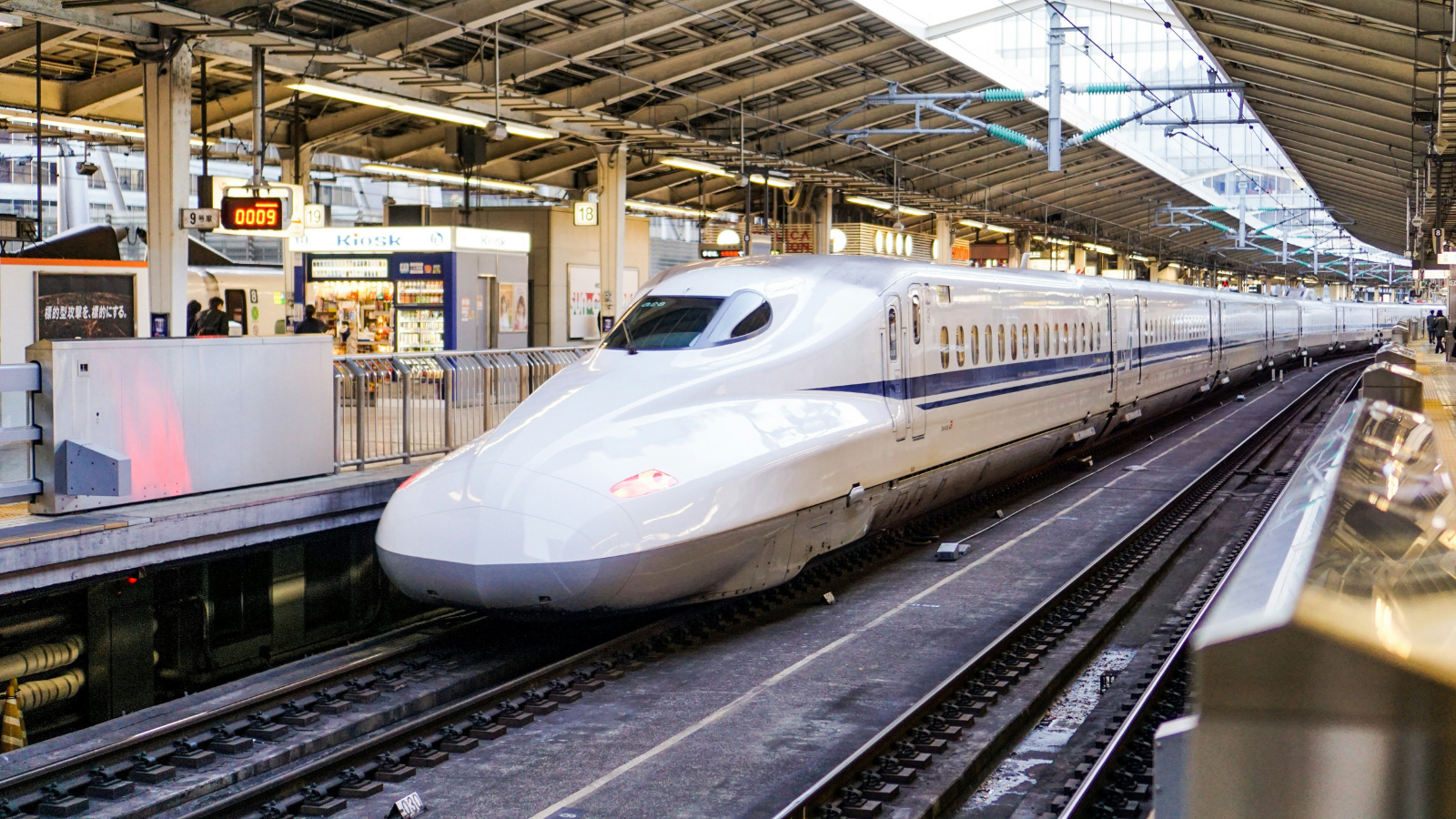
Image Courtesy: Unsplash
Private rooms return to the Shinkansen
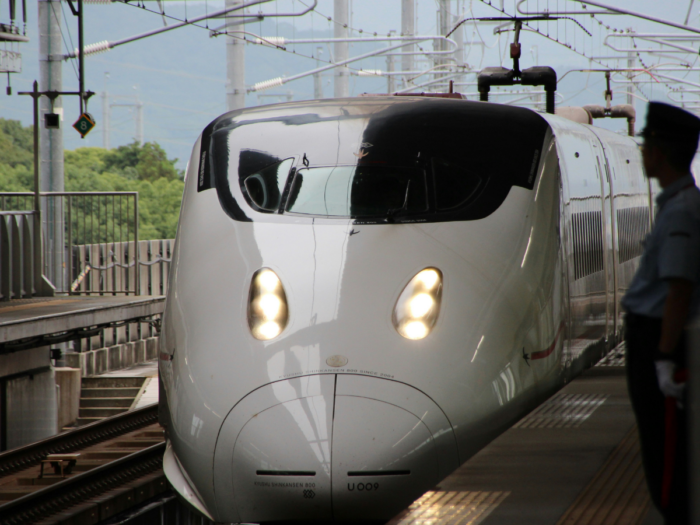
One of the most notable changes involves Japan’s iconic bullet trains. JR Central plans to introduce private rooms on selected N700S Shinkansen services operating on the Tokaido Shinkansen route between Tokyo, Nagoya, and Osaka. The private rooms will be located within Green Car first-class sections and will mark the return of private compartments to the service for the first time in more than two decades. The operator says the new rooms will cater to changing travel habits. Business travellers can use them for meetings and video calls, while leisure travellers can enjoy greater privacy and comfort during longer journeys. The move also reflects growing demand for premium rail experiences as travellers increasingly prioritise convenience and personal space.
Tourism taxes are increasing
At the same time, Japan is introducing higher tourism-related charges. From 1 July 2026, the country’s international departure tax will increase from ¥1,000 to ¥3,000 per traveller. The tax, often referred to as the “Sayonara Tax”, is included in airline and ferry tickets and applies to most travellers leaving the country. Authorities say the additional revenue will support tourism infrastructure, heritage preservation, and visitor management initiatives. Several destinations are also introducing or increasing accommodation taxes. Kyoto has implemented a new tiered system that can charge luxury hotel guests up to ¥10,000 per person per night, while other prefectures and cities are introducing their own lodging taxes.
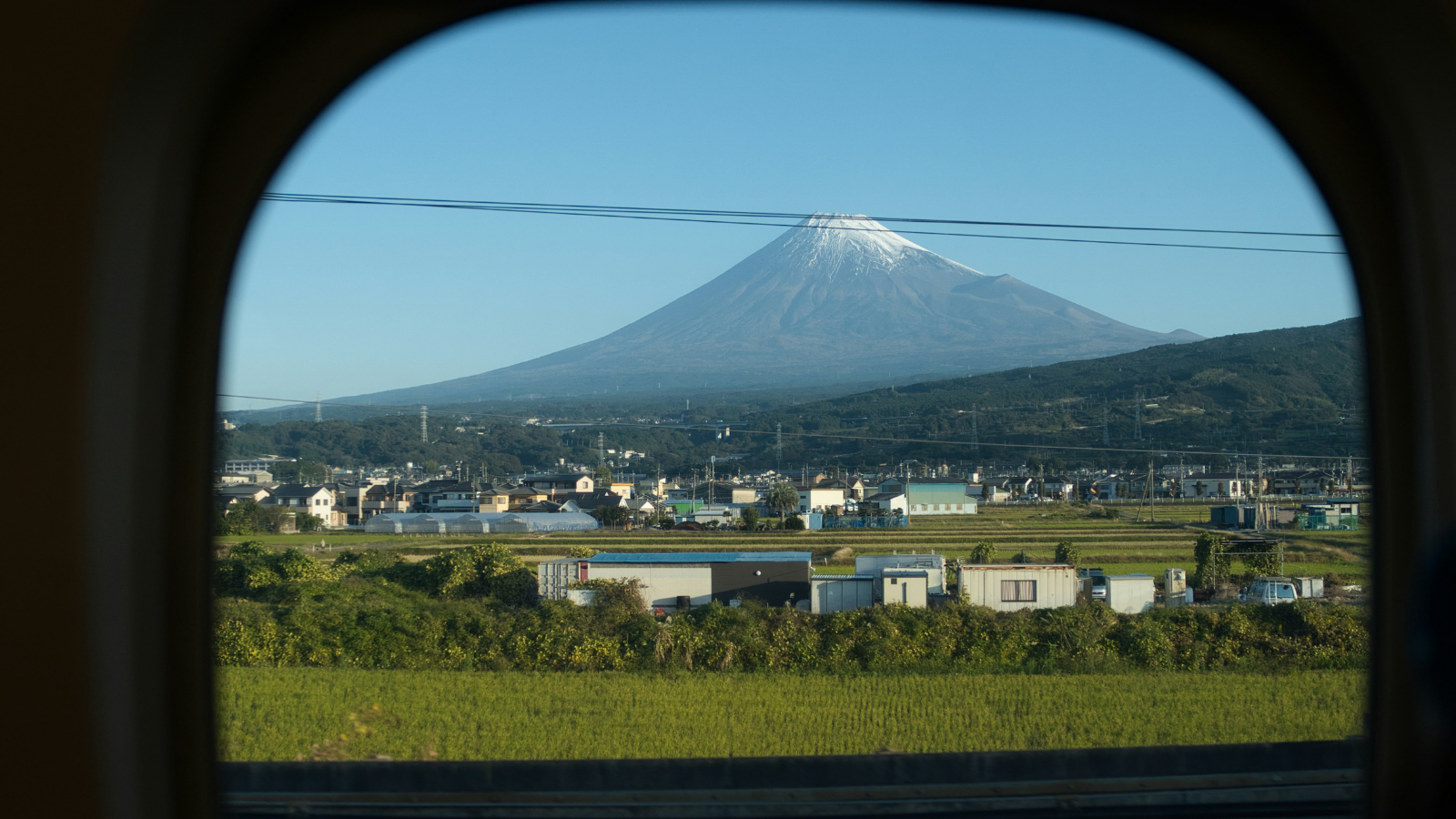
Image Courtesy: Unsplash
Managing record visitor growth
The changes highlight a challenge facing many popular destinations. Japan continues to welcome growing numbers of visitors, and tourism has become an increasingly important contributor to the national economy. However, the surge in arrivals has also placed pressure on transport networks, public spaces, and cultural attractions. Authorities are therefore investing in infrastructure while introducing measures designed to support sustainable tourism. Higher tourism taxes generate funding for upgrades and maintenance, while premium transport offerings help improve the overall visitor experience.
A new chapter for Japanese travel
Together, these developments illustrate how Japan’s travel sector is evolving. The introduction of private Shinkansen rooms caters to travellers seeking greater comfort and flexibility. Meanwhile, higher tourism taxes aim to ensure destinations can continue investing in infrastructure and services as visitor numbers rise. For travellers, Japan remains one of the world’s most compelling destinations. However, the cost of visiting is gradually increasing as the country invests in the next phase of its tourism and transport network.
Key points
- Japan will introduce private rooms on select Shinkansen services.
- The rooms will debut on the Tokaido Shinkansen route.
- Japan’s departure tax increased to ¥3,000 from July 2026.
- Several destinations have also raised accommodation taxes.
- The changes support tourism growth and infrastructure investment.