In 2026, heritage hotels are no more just a stopover between meetings or museum visits. Globally, these storied properties are turning into cultural hubs. They host artist residencies, commission new work and stage performances that leave a lasting impression. For business travellers who once treated legacy hotels as a beautiful backdrop, this shift is reshaping the experience itself.
Why Now
Business and leisure travellers alike want memorable stories, not just service, and hotel owners have taken note. A resident artist or a rotating exhibition gives guests a reason to return outside conference season. It also gives PR teams something to talk about besides thread counts.
Industry watchers have flagged this shift squarely. The most sophisticated hospitality properties now run artist residencies, rotating exhibitions and cultural programming built around their collections. This positions hotels as cultural anchors, not passive art collectors, making it a meaningful pivot. Owning art used to signal status; now it signals infrastructure.
Belmond: Building a Creative Universe Around Its Icons
Belmond may be leading the way in treating its properties as active cultural projects rather than static heritage assets. The LVMH-owned group entered 2026 with plans to reimagine its global heritage icons. Leading creative talents will reinterpret them while honouring regional cultures. This is more than decoration. It is deliberate positioning.
The group runs its Mitico programme with Galleria Continua. Each edition invites one artist to create new site-specific works across several Belmond properties. The initiative set out to animate the brand’s hotels with contemporary art rooted in place. Gallery co-founder Lorenzo Fiaschi frames the mission as bringing beauty into everyday travel. Belmond has also expanded into photography. It runs residencies where emerging photographers document their personal experience of a property and its region. They meet locals, explore local food and discover nature along the way.
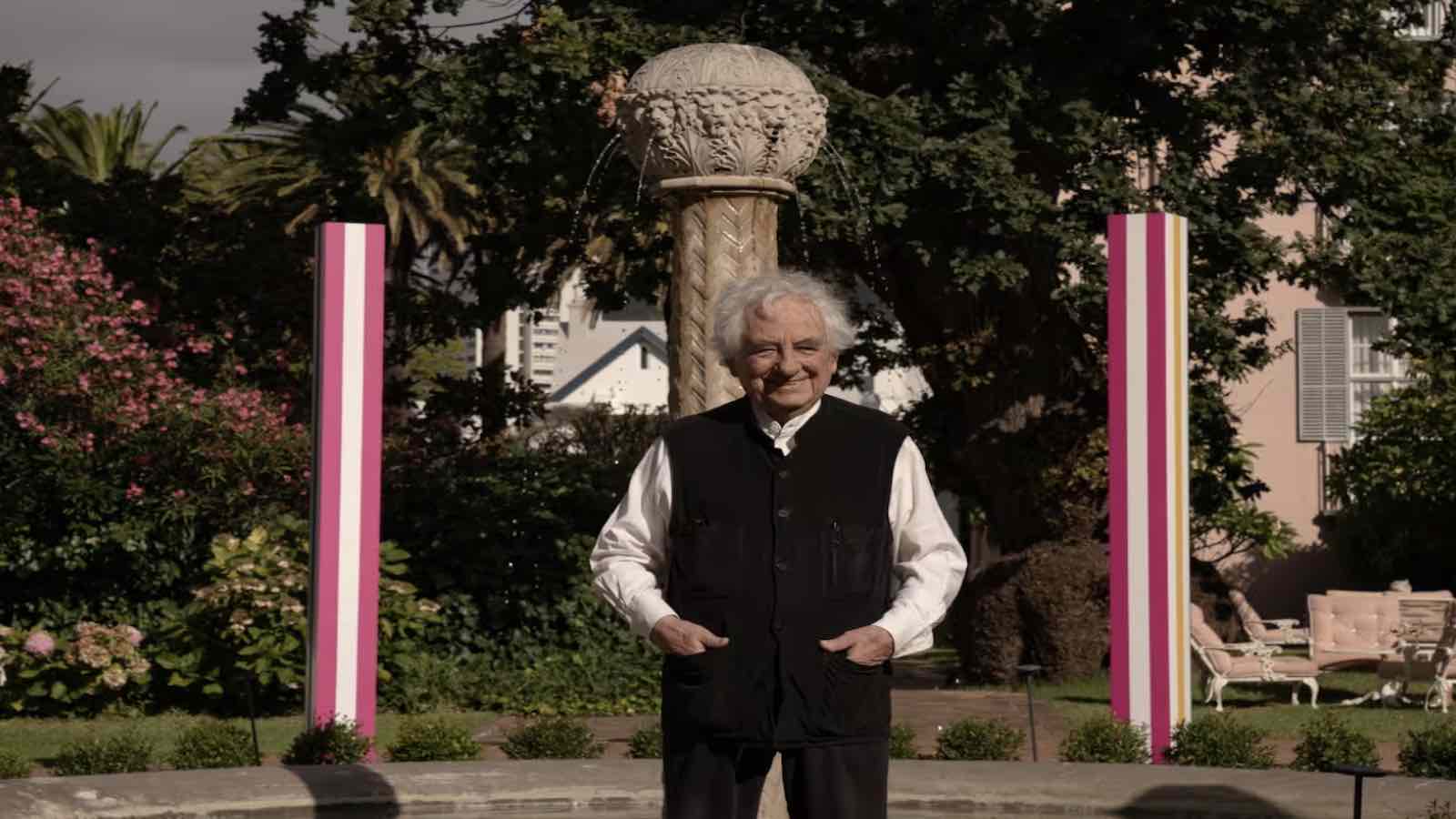
Photo Courtesy: Belmond Hotels French conceptual artist Daniel Buren, best known for his signature stripe motif, fronted Mitico’s third season, creating six site-specific works across Belmond properties in Cape Town, Rio de Janeiro, Venice, Florence, Tuscany and Mallorca.
Belmond has taken its cultural programme to the art fair circuit too. The group presented at ART SG in Singapore for the first time in January 2026. It showcased original commissioned artworks alongside its photographic publishing collections. Belmond described its exhibition space as proof that cultural storytelling should stay rooted in lived experience. When a hotel group shows up at an art fair to sell storytelling, not room nights, it signals where the category is heading.
Raffles: Heritage as Living Archive
Raffles takes a different approach, making heritage itself the cultural offering. Its properties run resident historian tours, curator-led art walks and craft workshops. These turn the hotel’s own past into daily programming. At Raffles Grand Hotel d’Angkor in Siem Reap, the hotel displays Khmer artworks by its resident artists throughout the historic mansion. An on-site art curator leads complimentary exhibition tours, and guests can buy any piece on display.
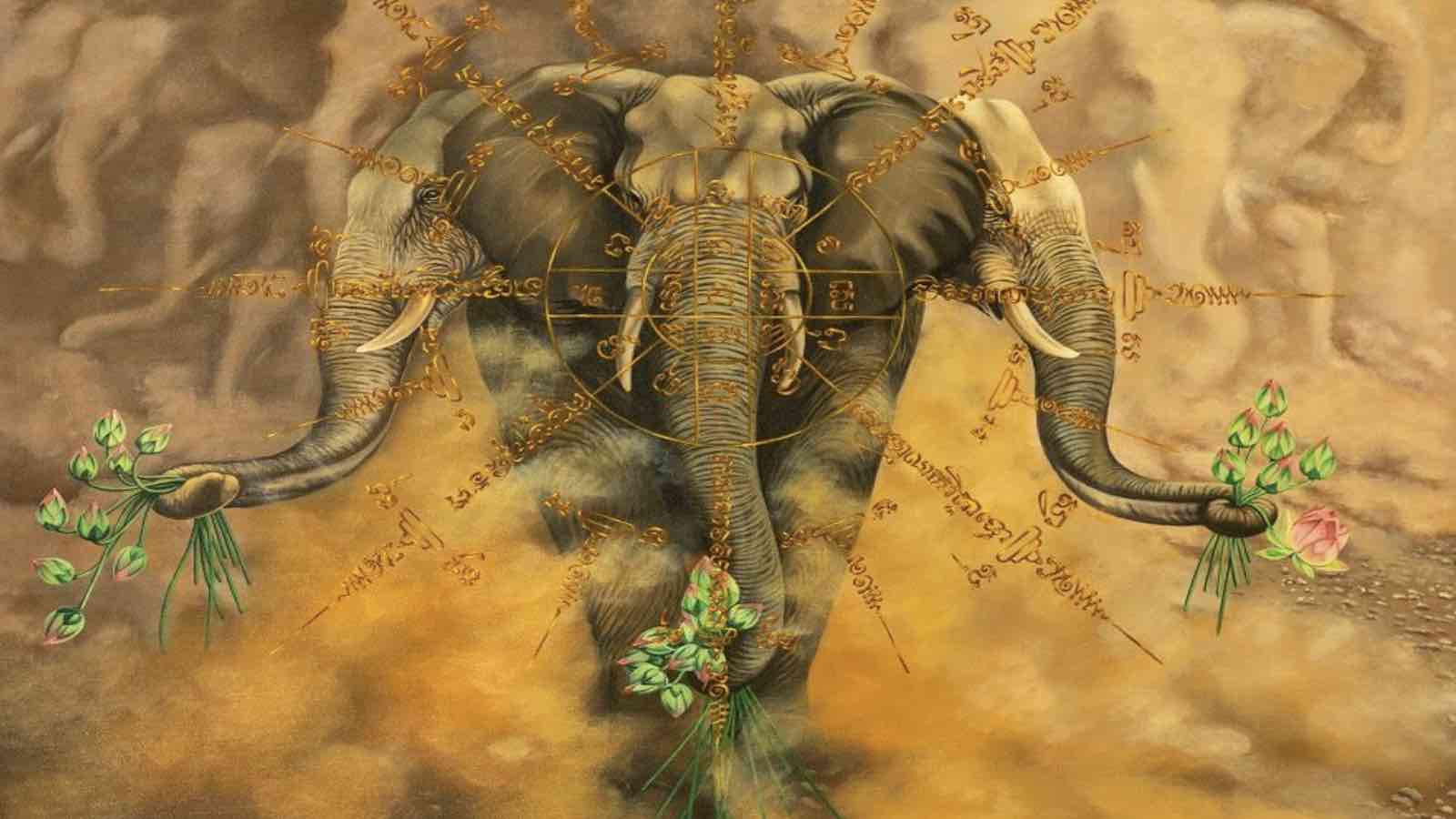
Photo Courtesy: Raffles Grand Hotel d’Angkor
Khmer artist Channy Chhoeun, known for his bird paintings exploring man’s impact on the environment, exhibits “Wild Spirits, Sacred Symbols” across the hotel’s public areas and restaurants.
Raffles Europejski Warsaw takes this idea furthest among the group’s properties. It houses the world’s foremost collection of modern Polish art, displayed as a living gallery. The hotel also runs a patisserie that once welcomed Chopin and other cultural luminaries. The hotel is not simply near the city’s cultural scene. It is written into it.
Rosewood: Sense of Place as Strategy
Rosewood has built its entire design language around locally rooted art. It now formalises that approach into residency programmes rather than one-off installations. Across its 42 properties, Trish Luyckx, the group’s chief design and project services officer, describes its hotels as a platform. Local artists, artisans and craftsmen use that platform to share their work and express each destination’s character.
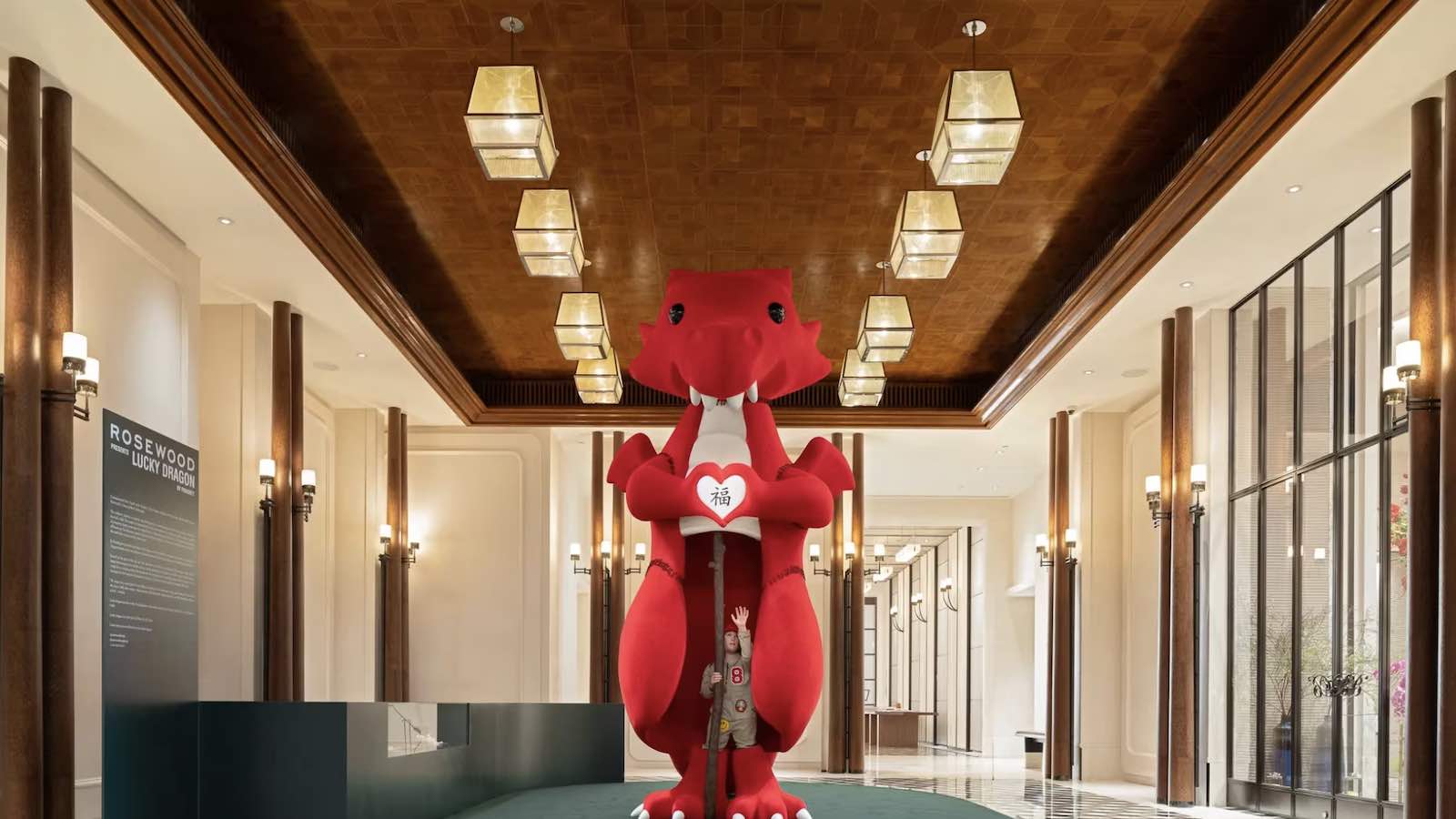
Photo Courtesy: Rosewood Hong Kong
Dutch artist Frankey unveils a commissioned work marking Hong Kong Art Month, a tribute to the city’s spirit designed to spark collective joy and belonging.
Live performance is entering the mix as well. Rosewood Bermuda’s Broadway to Bermuda programme brings Broadway performers to the island. Rather than staging isolated shows, it builds curated, multi-day residencies in intimate settings across the resort. The format aims to create genuine exchange between artists, guests and the destination. In effect, this applies the museum residency model to hospitality.
The India Story: Palaces That Never Stopped Being Cultural Institutions
India’s heritage hotels may have invented this playbook decades before the term “cultural hub” existed. The Taj Mahal Palace in Mumbai has quietly built one of the country’s most significant hotel art collections. It holds works by V.S. Gaitonde, Ram Kumar and Jehangir Sabavala. The collection also includes a Laxman Shreshtha commission, created with the late Ratan Tata. Over the decades, the hotel has hosted artists including Amrita Sher-Gil and M.F. Husain. Resident guests can join curated heritage tours three times daily.
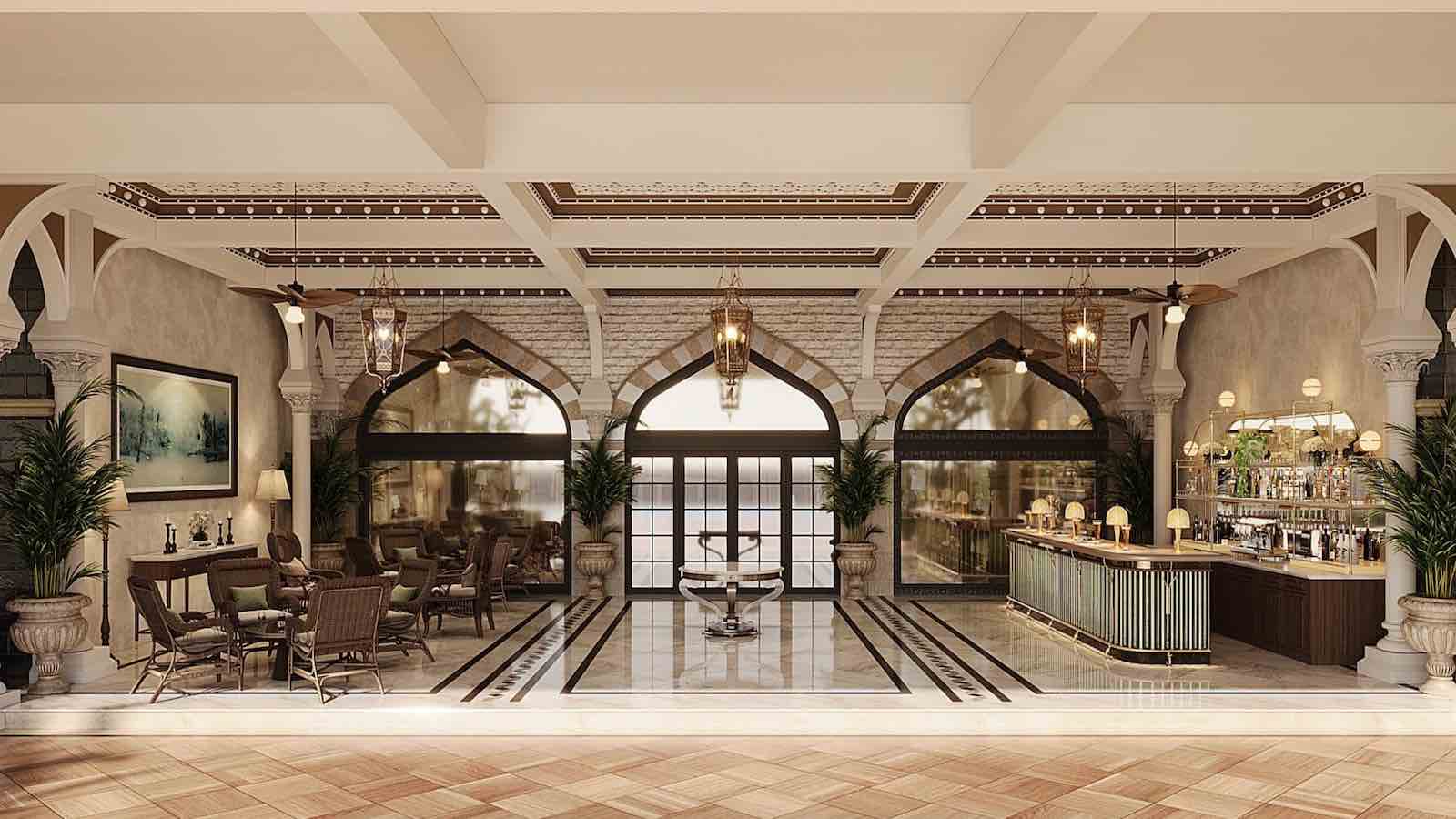
Photo Courtesy: The Taj Mahal Palace, Mumbai
The hotel’s collection spans works by V.S. Gaitonde, Ram Kumar and Jehangir Sabavala, alongside a Laxman Shreshtha commission created with the late Ratan Tata.
IHCL has formalised this instinct into a group-wide calendar. Its HeritEdge Celebration marks World Heritage Day with region-specific programming. The programming ranges widely. It spans a lost-recipes culinary class at Taj Lake Palace, Udaipur, heritage walks through Goa’s historic churches; and cultural heritage sessions at Rambagh Palace, Jaipur. Palaces once built for royalty now curate experiences for guests who want the same access, minus the coronation.
Taj Lake Palace goes further still. It sends guests into the surrounding region rather than keeping culture confined to hotel walls. Its Molela terracotta itinerary takes guests to the village renowned for the craft. A guided tour introduces devotional plaques and murals, which local artisans make from river mud and clay. As a result, the hotel becomes a gateway to a living craft economy, not just a viewing room for it.
What This Means for Business Travel
For the corporate traveller, this trend has practical upside. Conference downtime now comes with a curator on call. Client entertaining gets easier when the hotel itself becomes the evening’s programme. That might mean a private gallery walk or a resident historian’s tour. Event planners scouting venues for incentive travel or leadership retreats now have a new differentiator to sell. It is a property with genuine cultural depth, not just a ballroom.
Photo Courtesy: Unsplash
The bigger shift, though, is structural. Heritage hotels are converting static assets, such as old buildings, inherited art and regional craft networks, into recurring revenue and recurring headlines. A residency renews itself every season. A single restoration does not. Hospitality is moving beyond collecting art as a status symbol. It is building genuine cultural infrastructure instead. So expect more GMs to start sounding like museum directors, and more hotel press releases to read like gallery announcements.
For India’s heritage properties, the advantage is a head start nobody had to manufacture. The art, the craft networks and the stories were always there. What has changed is the willingness to programme them properly and to let guests in on the archive.